Why Do Energy Drinks Make Me Tired? Shocking Truth
Many people search for healthy food and drink choices while also looking for fast food open on christmas during holidays or busy schedules. Energy drinks are another popular option for people who need a quick boost. However, many people notice something unexpected after drinking them. Instead of feeling awake, they become sleepy or exhausted. If you have ever wondered why do energy drinks make me tired, you are not alone. Before choosing an energy drink, many people also want to know how long do energy drinks last so they can better understand how long the boost and the possible energy crash may affect their body.
Energy drinks promise increased alertness, better focus, and improved physical performance. They contain caffeine, sugar, vitamins, amino acids, and herbal ingredients that stimulate the body. Although these drinks can provide temporary energy, their effects often do not last. Once the stimulation wears off, many people experience fatigue, brain fog, or even stronger sleepiness than before. In this guide, you will learn why energy drinks sometimes have the opposite effect, how they affect your body, what ingredients contribute to energy crashes, and how you can avoid feeling tired after drinking them.
What Are Energy Drinks?
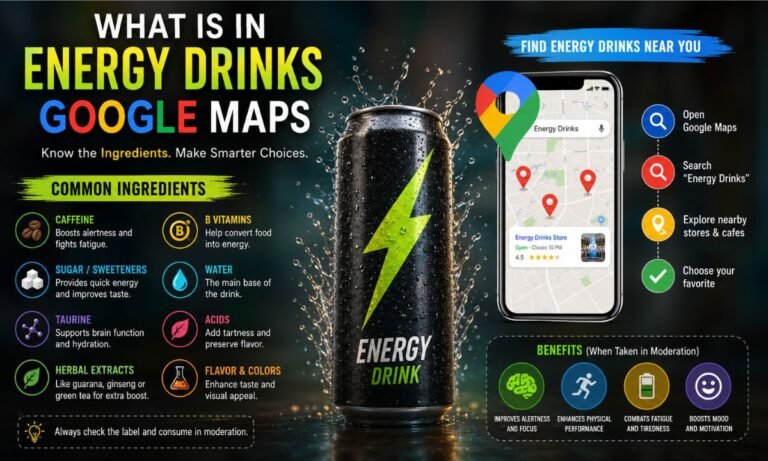
Energy drinks are beverages designed to improve mental alertness and physical performance. They usually contain caffeine as the main active ingredient along with sugar, B vitamins, taurine, guarana, ginseng, and other stimulants. Unlike sports drinks, energy drinks focus on stimulating the nervous system rather than replacing fluids or electrolytes.
Some products contain as much caffeine as several cups of coffee, making them much stronger than many people realize. Most people drink energy drinks before work, studying, gaming, driving, or exercising because they expect an immediate increase in energy. While they often feel more awake for a short period, the body may react differently after the initial effects fade.
Why Do Energy Drinks Make You Feel Awake at First?
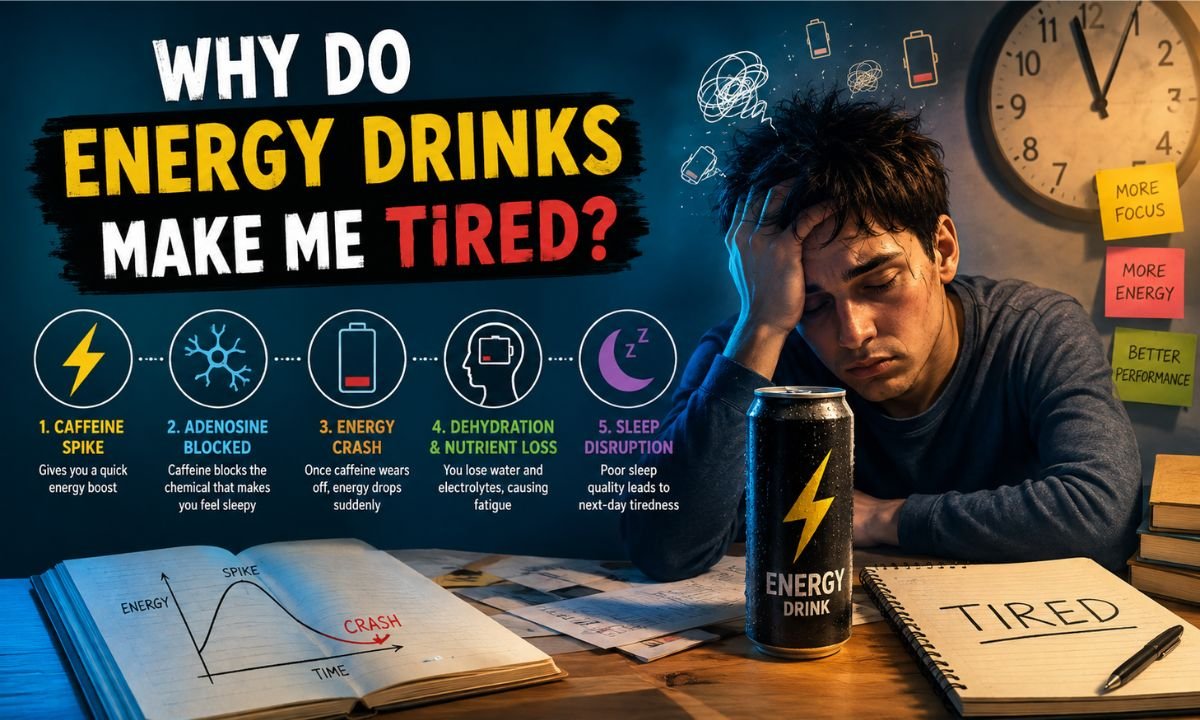
Energy drinks mainly work because caffeine blocks adenosine, a natural chemical in the brain that promotes sleep. As adenosine becomes blocked, your brain feels more alert and active. At the same time, caffeine increases the release of dopamine and adrenaline. These hormones increase heart rate, improve reaction time, and temporarily reduce feelings of tiredness.
Sugar also contributes to the quick energy boost. It raises blood glucose levels rapidly, giving your body immediate fuel. Unfortunately, this effect is usually short-lived. Once caffeine and sugar begin wearing off, your body tries to return to its normal balance, which often leads to fatigue.
Why Do Energy Drinks Make Me Tired?
If you keep asking yourself why do energy drinks make me tired, the answer usually involves several factors working together instead of one single cause.
The Caffeine Crash
Caffeine creates temporary alertness, but it does not remove your body’s actual need for rest. After the stimulant wears off, your brain becomes more sensitive to adenosine again. This sudden return of adenosine activity can make you feel much sleepier than before. Many people describe this experience as a caffeine crash. The larger the amount of caffeine you consume, the more noticeable this crash may become.
Blood Sugar Drops Quickly
Many traditional energy drinks contain large amounts of added sugar. After drinking one, your blood sugar rises rapidly. Your body responds by releasing insulin to lower blood sugar levels. Sometimes insulin works so efficiently that blood sugar falls quickly. This sudden drop leaves you feeling weak, hungry, tired, and unable to concentrate. People often mistake this sugar crash for a lack of caffeine, leading them to consume another energy drink and continue the cycle.
Poor Sleep Quality
Caffeine stays in the body much longer than many people think. Its effects can last for several hours. Even if you fall asleep after drinking an energy drink, your sleep quality may decrease. You may spend less time in deep sleep, which is the stage your body needs for recovery. Poor sleep eventually builds sleep debt. Over time, this makes daytime fatigue even worse.
Dehydration Can Increase Fatigue
Caffeine has mild diuretic effects in some individuals. Although it does not always cause severe dehydration, people who already drink very little water may notice increased fluid loss. Even mild dehydration can reduce energy levels.
Common signs include:
- Dry mouth
- Headaches
- Poor concentration
- Dizziness
- Fatigue
Drinking water throughout the day can reduce these symptoms.
Your Body Builds Caffeine Tolerance
People who drink energy drinks every day often develop caffeine tolerance. Tolerance means the same amount of caffeine no longer produces the same level of alertness. As a result, people increase their intake to achieve the same effect. Eventually, the body depends on caffeine just to feel normal. Without increasing the dose, tiredness becomes more noticeable.
Hidden Sleep Deprivation
Many people use energy drinks because they already feel exhausted. Instead of solving the real problem, caffeine simply hides the symptoms for a short period. Once the stimulant disappears, the underlying sleep deprivation becomes obvious again. If you regularly sleep less than seven hours, no energy drink can fully replace healthy sleep.
Stress Hormones Wear Off
Energy drinks stimulate the release of adrenaline. Adrenaline prepares your body for action by increasing heart rate and improving alertness. After adrenaline levels return to normal, your body enters a recovery phase. During this period, you may feel physically and mentally drained.
Individual Sensitivity Matters
Everyone processes caffeine differently. Age, genetics, body weight, medications, and liver function all influence how quickly caffeine is broken down. Some people metabolize caffeine slowly. Others experience stronger crashes even after small amounts. This explains why two people can drink the same energy drink but experience completely different results.
Common Ingredients That Can Affect Energy Levels
Energy drinks contain a combination of ingredients rather than caffeine alone. Each ingredient affects the body differently.
Caffeine
The primary stimulant responsible for increased alertness.
Sugar
Provides rapid energy but may lead to a sudden crash afterward.
Taurine
Supports several body functions and may work together with caffeine.
Guarana
A natural plant that also contains caffeine, increasing the total stimulant content.
Ginseng
May support mental performance, although research shows mixed results.
B Vitamins
Help convert food into energy but do not provide instant energy if your vitamin levels are already normal.
Signs You Are Experiencing an Energy Drink Crash
Many people do not immediately realize they are experiencing an energy drink crash.
Common symptoms include:
- Extreme tiredness
- Difficulty concentrating
- Brain fog
- Irritability
- Mild headache
- Sleepiness
- Reduced motivation
- Low energy despite recent caffeine intake
These symptoms often begin several hours after consuming the drink and may last until your body restores its normal balance.
Benefits of Energy Drinks
Although many people ask why do energy drinks make me tired, these beverages can still offer some benefits when consumed responsibly and in moderation.
Improved Alertness
Caffeine stimulates the central nervous system and helps many people stay awake during long work hours, study sessions, or road trips. It can temporarily improve concentration and reaction time.
Better Physical Performance
Some energy drinks contain ingredients that may help improve endurance and reduce the feeling of fatigue during exercise. Athletes and gym-goers sometimes use them as a pre-workout drink.
Increased Mental Focus
The combination of caffeine and certain amino acids, such as taurine, may improve short-term focus and mental performance for some individuals.
Convenience
Energy drinks are easy to carry and consume when you need a quick energy boost. However, they should never replace balanced meals, proper hydration, or quality sleep.
Types of Energy Drinks
Different energy drinks contain different ingredients. Understanding these types can help you choose a product that better suits your needs.
| Type | Main Ingredients | Best For | Things to Consider |
| Traditional Energy Drinks | Caffeine, sugar, taurine | Quick energy boost | May cause sugar crash |
| Sugar-Free Energy Drinks | Caffeine, artificial sweeteners | Lower-calorie option | Sweeteners may not suit everyone |
| Natural Energy Drinks | Green tea, yerba mate, fruit extracts | Plant-based ingredients | Usually contain less caffeine |
| Coffee-Based Energy Drinks | Coffee and caffeine | Coffee lovers | May still contain high caffeine |
| Pre-Workout Energy Drinks | Caffeine, amino acids, vitamins | Exercise and fitness | Should be used as directed |
| Homemade Energy Drinks | Natural fruits, honey, lemon | Health-conscious individuals | Lower in artificial ingredients |
How to Make a Healthy Energy Drink at Home
If you frequently wonder why do energy drinks make me tired, consider making a healthier version at home. Homemade drinks contain fewer artificial ingredients and allow you to control the sugar and caffeine levels.
Ingredients
- 2 cups cold water
- Juice of 1 fresh lemon
- 1 tablespoon honey
- A pinch of sea salt
- ½ teaspoon grated fresh ginger
- A few mint leaves
- Optional: ½ cup coconut water
Instructions
- Add all ingredients to a large glass or bottle.
- Stir well until the honey dissolves completely.
- Chill for 15 to 20 minutes.
- Serve over ice.
This homemade drink provides hydration, natural carbohydrates, electrolytes, and refreshing flavor without the excessive sugar found in many commercial energy drinks.
How to Prevent an Energy Drink Crash
You do not always have to stop drinking energy drinks completely. Instead, adopting healthier habits can reduce the chance of feeling tired afterward.
- Drink plenty of water throughout the day because proper hydration supports normal body functions and reduces fatigue.
- Avoid drinking energy drinks on an empty stomach. Eating foods rich in protein, fiber, and healthy fats helps slow sugar absorption and provides more stable energy.
- Limit yourself to one serving instead of consuming multiple cans within a few hours. Large amounts of caffeine increase the likelihood of an energy crash.
- Avoid energy drinks late in the afternoon or evening. Caffeine can remain in your body for several hours and interfere with deep, restorative sleep.
- Most importantly, aim for seven to nine hours of quality sleep every night. Healthy sleep remains the best source of natural energy.
Are Energy Drinks Safe Every Day?
Occasional energy drink consumption is generally acceptable for many healthy adults, but daily use is not always a good idea. Regular consumption may increase caffeine tolerance, making the drinks less effective over time. Some people also experience headaches, anxiety, rapid heartbeat, digestive discomfort, or poor sleep.
Individuals with heart disease, high blood pressure, pregnancy, or caffeine sensitivity should speak with a healthcare professional before consuming energy drinks regularly. Moderation is always the safest approach.
When Should You See a Doctor?
Feeling tired after an occasional energy drink is usually not a medical emergency. However, consult a healthcare professional if you experience:
- Severe chest pain
- Irregular heartbeat
- Frequent dizziness
- Fainting
- Persistent fatigue even after stopping energy drinks
- Difficulty sleeping for several days
- Anxiety or panic attacks after caffeine consumption
These symptoms may indicate an underlying health condition or excessive caffeine intake that requires medical attention.
Final Thoughts
If you have ever asked yourself why do energy drinks make me tired, the answer often lies in the combination of caffeine crashes, sugar spikes, dehydration, poor sleep, and individual caffeine tolerance. While energy drinks can provide a temporary boost in alertness and focus, they do not replace healthy habits.
Choosing balanced meals, staying hydrated, exercising regularly, and getting enough sleep will provide more consistent energy throughout the day. The World Health Organization (WHO) also emphasizes the importance of healthy eating, regular physical activity, and quality sleep as part of maintaining overall health and well-being. If you still enjoy energy drinks, consume them in moderation and pay attention to how your body responds. Understanding why do energy drinks make me tired can help you make smarter choices and maintain healthier energy levels without relying on excessive caffeine.
Frequently Asked Questions (FAQs)
Q. Why do energy drinks make me sleepy instead of awake?
Energy drinks may cause a caffeine or sugar crash after their initial effects wear off. Poor sleep, dehydration, and caffeine tolerance can also contribute to sleepiness.
Q. How long does an energy drink crash last?
For many people, an energy drink crash lasts between two and six hours, depending on caffeine intake, metabolism, hydration, and overall health.
Q. Can drinking water prevent an energy crash?
Water cannot completely prevent a crash, but staying hydrated can reduce fatigue, headaches, and other symptoms associated with dehydration.
Q. Are sugar-free energy drinks better?
Sugar-free energy drinks eliminate the sugar crash, but they still contain caffeine and should be consumed in moderation.
Q. What is the healthiest alternative to energy drinks?
Natural options such as homemade lemon-honey drinks, green tea, coconut water, smoothies, and fresh fruit provide steady energy with fewer artificial ingredients.
Q. Should I stop drinking energy drinks if they make me tired?
If you consistently feel exhausted after drinking them, reducing your intake or switching to healthier alternatives may improve your overall energy and sleep quality.