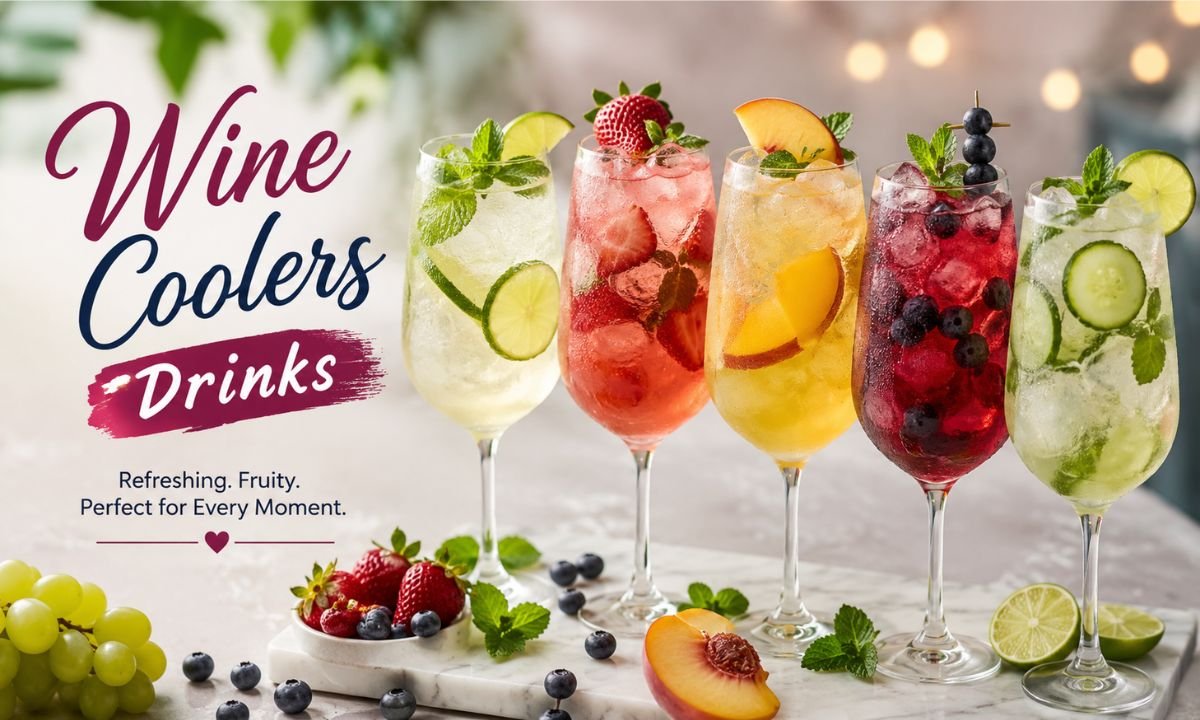
Wine Coolers Drinks Flavors, Types and Homemade Recipes
While searching for fast food open on christmas, many people also look for refreshing beverages to enjoy during holidays, parties, and family gatherings. Among the most popular choices are wine coolers drinks, which offer a light, fruity, and refreshing alternative to traditional wine and stronger alcoholic beverages. Their colorful appearance, balanced sweetness, and crisp flavor make them suitable for casual celebrations, summer events, and relaxing evenings. If you’re interested in exploring more refreshing beverage options after learning about wine coolers drinks, be sure to read our detailed guide on taco bell drinks for popular flavors, menu choices, and refreshing drink ideas.
Wine coolers have remained popular for decades because they combine wine with fruit flavors, sparkling water, or carbonated beverages to create a drink that feels refreshing rather than heavy. Today, both commercial and homemade versions are enjoyed worldwide, and countless flavor combinations allow everyone to find a favorite. This guide explains everything you need to know about wine coolers, including their history, ingredients, different varieties, nutritional information, benefits, and easy homemade recipes.
What Are Wine Coolers?
Wine coolers drinks are refreshing beverages traditionally prepared by combining wine with fruit juice, sparkling water, citrus flavors, or carbonated soft drinks. The result is a lighter beverage that offers a smooth taste and a pleasant fruity aroma. Unlike regular wine, wine coolers are generally sweeter and easier for beginners to enjoy.
They are commonly served chilled with ice and fresh fruit garnishes, making them especially popular during warm weather. Modern commercial versions sometimes use malt beverages instead of wine because of production regulations in certain countries, but homemade recipes continue to follow the traditional wine-based approach.
History of Wine Coolers
Wine coolers first gained widespread popularity during the early 1980s. Beverage companies wanted to create a product that appealed to consumers looking for something lighter than traditional wine. By blending white wine with fruit juice and carbonation, manufacturers created a refreshing beverage that quickly became popular at parties and outdoor gatherings.
As regulations changed over time, many commercial brands adjusted their recipes. Despite those changes, homemade wine coolers have continued to grow in popularity because they allow complete control over ingredients and flavor. Today, these beverages remain a favorite choice for casual entertaining and seasonal celebrations.
Why Are Wine Coolers So Popular?
Several factors explain the lasting popularity of wine coolers.
1. Their fruity flavors appeal to both new and experienced wine drinkers.
2. They contain a lighter taste than many traditional alcoholic beverages.
3. They are available in numerous fruit combinations.
4. They pair well with many foods, especially grilled dishes, seafood, salads, and light desserts.
Homemade recipes also allow people to experiment with fresh fruits, herbs, and sparkling water to create personalized drinks.
Types of Wine Coolers
The following table highlights some of the most common varieties.
| Type | Main Ingredients | Flavor | Best Occasion |
| Classic Wine Cooler | White wine, citrus soda | Crisp and refreshing | Casual meals |
| Berry Wine Cooler | Strawberries, blueberries | Sweet and fruity | Summer parties |
| Peach Wine Cooler | Peach juice, white wine | Smooth and mildly sweet | Outdoor gatherings |
| Tropical Wine Cooler | Pineapple, mango | Exotic and refreshing | Beach parties |
| Citrus Wine Cooler | Lemon, lime, orange | Tangy and bright | Afternoon refreshments |
| Sparkling Wine Cooler | Sparkling wine, fruit | Light and bubbly | Celebrations |
| Apple Wine Cooler | Apple juice, white wine | Crisp and balanced | Autumn events |
Each variety offers a unique flavor while maintaining the refreshing qualities that make wine coolers enjoyable.
Ingredients Used in Wine Coolers
Although recipes differ, most wine coolers contain similar ingredients.
1. White wine provides the base because of its clean and delicate flavor.
2. Fresh fruit juice adds natural sweetness.
3. Sparkling water or club soda creates carbonation.
4. Fresh citrus juice improves brightness.
5. Seasonal fruits contribute both flavor and visual appeal.
6. Mint leaves often provide aroma and freshness.
7. Ice keeps the beverage chilled throughout serving.
Some recipes also include flavored syrups, although fresh fruit remains the healthier option.
Nutritional Information
The nutritional value depends on the recipe and serving size.
| Beverage | Calories | Sugar | Alcohol |
| Classic Wine Cooler | 150–200 | Moderate | Moderate |
| Berry Wine Cooler | 170–220 | Moderate | Moderate |
| Tropical Wine Cooler | 180–230 | Moderate | Moderate |
| Citrus Wine Cooler | 140–190 | Lower | Moderate |
| Sparkling Wine Cooler | 130–180 | Lower | Moderate |
Homemade recipes generally allow better control over calories because you can reduce added sugar and use fresh ingredients.
Popular Wine Cooler Flavors
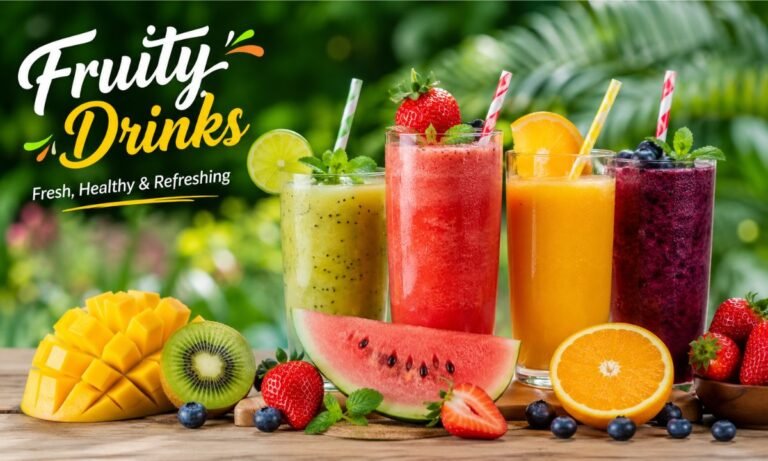
Fruit flavors are the defining feature of wine coolers.
1. Berry blends remain among the most popular because strawberries, raspberries, and blueberries create a naturally sweet flavor.
2. Peach provides a smooth and delicate taste that pairs beautifully with chilled white wine.
3. Citrus combinations featuring lemons, oranges, and limes produce bright and refreshing beverages.
4. Apple coolers offer a crisp finish that works well during cooler seasons.
5. Tropical fruits such as pineapple, mango, and passion fruit create vibrant beverages ideal for summer gatherings.
Many people also combine multiple fruits to develop their own signature recipes.
Benefits of Wine Coolers
When enjoyed responsibly, wine coolers provide several practical advantages.
1. Fresh fruit contributes natural vitamins and antioxidants.
2. Homemade recipes reduce dependence on artificial flavors.
3. Sparkling water provides a refreshing texture without adding significant calories.
4. Preparing wine coolers at home allows complete control over sweetness and ingredient quality.
5. Fresh citrus fruits contribute vitamin C and natural flavor.
6. Seasonal fruits add freshness while creating colorful beverages suitable for celebrations.
The lighter taste also makes wine coolers appealing to individuals who do not enjoy stronger alcoholic beverages.
How to Make Classic Wine Coolers at Home
One reason these beverages remain popular is their simplicity.
Ingredients
- 1 cup chilled white wine
- ½ cup sparkling water
- ¼ cup lemon-lime soda
- 2 tablespoons fresh orange juice
- Ice cubes
- Lemon slices
- Fresh mint leaves
Instructions
Fill a tall glass with ice cubes.
Pour chilled white wine into the glass.
Add sparkling water slowly.
Mix in the lemon-lime soda and fresh orange juice.
Stir gently to preserve carbonation.
Garnish with lemon slices and fresh mint before serving.
This recipe produces a crisp, refreshing beverage suitable for warm afternoons and casual gatherings.
Homemade Berry Wine Cooler
Berry flavors remain among the most requested homemade recipes.
Ingredients
- Chilled white wine
- Sparkling water
- Fresh strawberries
- Blueberries
- Raspberry juice
- Ice cubes
Directions
Lightly crush the berries to release their natural juices.
Pour chilled wine over the fruit.
Add sparkling water.
Stir gently.
Serve immediately over fresh ice.
Fresh berries provide vibrant color, natural sweetness, and an attractive presentation that makes this recipe ideal for celebrations.
Homemade Peach Wine Cooler
Peach creates one of the smoothest wine cooler flavors.
1. Blend ripe peaches with a small amount of peach juice until smooth.
2. Pour the mixture into chilled white wine.
3. Add club soda.
4. Serve over crushed ice with fresh peach slices for garnish.
The result is a naturally sweet beverage that highlights the delicate flavor of fresh peaches while remaining refreshing.
Homemade Tropical Wine Cooler
Tropical fruits bring bright flavors and natural sweetness to a refreshing wine cooler. This recipe is perfect for summer gatherings, outdoor barbecues, and weekend celebrations.
Ingredients
- 1 cup chilled white wine
- ½ cup pineapple juice
- ¼ cup mango juice
- ¼ cup sparkling water
- Ice cubes
- Pineapple chunks
- Fresh mint leaves
Instructions
Fill a tall glass with ice cubes and pour in the chilled white wine.
Add the pineapple juice and mango juice, then slowly pour sparkling water into the glass.
Stir gently to preserve the bubbles.
Garnish with fresh pineapple chunks and mint leaves before serving.
The tropical fruit combination creates a naturally sweet and refreshing beverage with a bright aroma.
Homemade Citrus Wine Cooler
Citrus fruits create one of the freshest and most balanced wine cooler recipes.
Ingredients
- 1 cup chilled sparkling white wine
- ½ cup sparkling water
- Fresh lemon juice
- Fresh lime juice
- Orange slices
- Ice cubes
Instructions
Place ice cubes into a chilled serving glass. Pour sparkling wine carefully, followed by sparkling water. Add freshly squeezed lemon and lime juice, then stir gently. Garnish with orange slices and serve immediately. This citrus version offers a crisp finish that pairs well with seafood, grilled vegetables, and light salads.
Tips for Making the Best Wine Coolers
Preparing excellent homemade wine coolers requires fresh ingredients and careful mixing.
1. Always chill the wine before preparing the beverage because cold wine produces a cleaner and more refreshing taste.
2. Choose ripe seasonal fruit whenever possible instead of canned alternatives.
3. Add sparkling water at the end of preparation so the drink remains bubbly.
4. Avoid excessive stirring because it removes carbonation.
5. Taste the mixture before serving and adjust sweetness naturally by adding extra fruit juice rather than refined sugar.
6. Fresh herbs such as mint or basil enhance both aroma and presentation.
Homemade vs. Store-Bought Wine Coolers
Many people wonder whether homemade recipes are better than commercial products. Homemade beverages allow complete control over sweetness, fruit quality, and ingredient selection. You can reduce added sugar, avoid artificial flavors, and experiment with seasonal fruits. Store-bought coolers offer convenience because they are ready to drink and maintain consistent flavor.
They are ideal when you need beverages quickly for parties or gatherings. However, homemade recipes often provide fresher flavors and greater flexibility. Many people enjoy creating customized combinations using locally available fruits and herbs. The choice ultimately depends on personal preference and the occasion.
Best Food Pairings
Wine coolers complement a wide variety of foods because of their light and fruity character.
1. Grilled chicken pairs beautifully with citrus-based coolers.
2. Fresh seafood works especially well with sparkling recipes.
3. Fruit platters enhance berry and peach flavors.
4. Light pasta dishes balance the crisp taste of classic wine coolers.
5. Fresh green salads create a refreshing combination during summer meals.
Mild cheeses, vegetable platters, and grilled vegetables also complement homemade wine coolers, making them suitable for family dinners and festive occasions.
Storage Tips
Freshly prepared wine coolers always taste best when served immediately.
1. If you need to prepare the mixture in advance, combine the wine and fruit juices first and refrigerate them in a covered container. Add sparkling water only when serving to preserve carbonation.
2. Fresh fruit should remain refrigerated until use.
3. Prepared beverages generally maintain their best flavor for up to twenty-four hours when stored properly.
Discard any mixture that develops an unusual smell or loses its fresh taste.
Are Wine Coolers a Good Choice?
Many people appreciate wine coolers because they provide a lighter drinking experience than many traditional alcoholic beverages. Homemade recipes prepared with fresh fruit and moderate amounts of sugar offer a refreshing alternative for social occasions. Fresh fruits contribute natural vitamins and antioxidants, while sparkling water adds crispness without unnecessary calories.
Although these beverages can be lighter than some cocktails, they still contain alcohol and should always be enjoyed responsibly. Making your own recipe allows you to adjust ingredients according to your dietary preferences and personal taste.
Common Mistakes to Avoid
Simple mistakes can reduce the quality of homemade wine coolers.
1. Using warm wine makes the beverage less refreshing.
2. Adding excessive sugar hides the natural fruit flavor.
3. Overmixing removes carbonation and creates a flat drink.
4. Using poor-quality fruit reduces both aroma and taste.
5. Adding sparkling water too early causes the beverage to lose its bubbles before serving.
Following proper preparation techniques helps create a consistently refreshing drink every time. Beyond recipes and serving ideas, food and beverages often reflect changing lifestyles and cultural trends around the world. Readers interested in exploring broader lifestyle topics can also visit TIME for insightful features covering culture, health, travel, and society.
Final Thoughts
Wine coolers drinks have remained popular for decades because they combine refreshing fruit flavors with a light, crisp drinking experience. Their versatility allows countless flavor combinations, making them suitable for every season and almost any social occasion. Preparing homemade recipes gives you complete control over ingredients while allowing you to reduce added sugar and use fresh seasonal fruits. Whether you choose classic citrus blends, berry-inspired recipes, peach combinations, sparkling varieties, or tropical flavors, homemade coolers deliver freshness and natural taste that many commercial beverages cannot match.
By understanding the different types, ingredients, nutritional values, preparation methods, serving techniques, and food pairings, you can confidently prepare delicious beverages for family gatherings, celebrations, or relaxing evenings. Wine coolers drinks continue to be a timeless favorite because they offer refreshing flavors, colorful presentation, and endless opportunities for creativity. Enjoy them responsibly and experiment with fresh fruits to create your own signature recipes that everyone will appreciate.
Frequently Asked Questions
Q. What are wine coolers?
Wine coolers are beverages made by combining wine with fruit juice, sparkling water, citrus flavors, or carbonated drinks to create a lighter and fruitier drink.
Q. Which wine works best?
Dry or semi-dry white wines such as Pinot Grigio or Sauvignon Blanc usually produce the most balanced flavor because they complement fresh fruit without overpowering it.
Q. Can I reduce the sugar?
Yes. Homemade recipes allow you to use fresh fruit instead of flavored syrups, making it easy to lower the sugar content naturally.
Q. Which fruits are best?
Strawberries, peaches, blueberries, lemons, oranges, pineapples, apples, raspberries, and mangoes are among the most popular choices.
Q. Can I prepare them ahead of time?
Yes. Mix the wine and fruit juices in advance and refrigerate the mixture. Add sparkling water just before serving to maintain freshness and carbonation.
Q. What occasions are suitable for wine coolers?
Wine coolers are ideal for summer parties, family gatherings, picnics, outdoor celebrations, holiday meals, brunches, and casual dinners because they pair well with many foods and offer a refreshing taste.