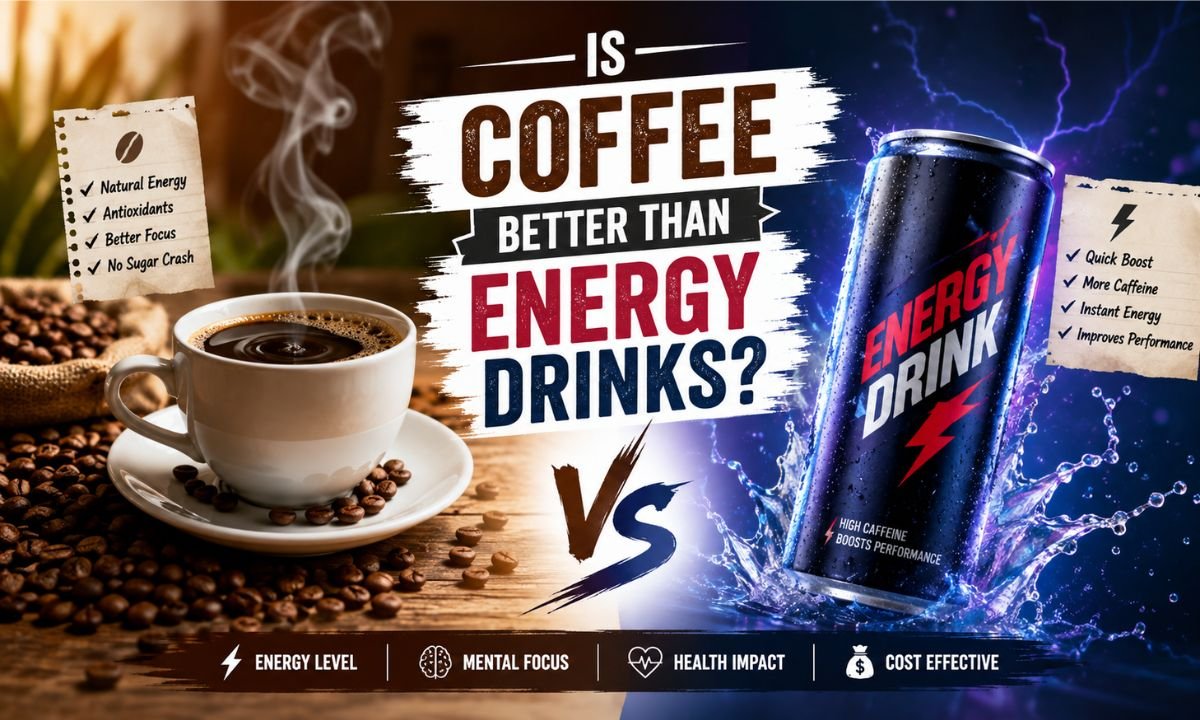
Is Coffee Better Than Energy Drinks? Ultimate Safe vs Risky
Many people search for healthy ways to stay energized during busy mornings, long study sessions, and demanding workdays. Some also look for dining options like fast food open on christmas while choosing beverages that keep them active without consuming too much sugar. One common question people ask is, is coffee better than energy drinks? The answer depends on several factors, including your health, caffeine tolerance, lifestyle, and daily habits. Many people also wonder why do energy drinks make me tired after the initial boost, making it even more important to compare coffee and energy drinks before choosing the best option for daily energy.
Coffee has been a favorite beverage for centuries because it provides natural caffeine and beneficial antioxidants. Energy drinks, on the other hand, have become popular because they promise instant energy, improved focus, and better athletic performance. However, they often contain additional ingredients such as sugar, artificial flavors, taurine, guarana, and B vitamins. This guide explains everything you need to know about coffee and energy drinks. You’ll learn how they compare nutritionally, their health benefits, different types, and which one may be the better choice for your daily routine.
What Is Coffee?
Coffee is a brewed beverage made from roasted coffee beans. It naturally contains caffeine, which stimulates the central nervous system and helps improve alertness and concentration. People around the world drink coffee every day because it offers a rich flavor, pleasant aroma, and natural energy boost.
Many people also enjoy coffee because it contains antioxidants that may support overall health. Coffee can be served hot or cold and prepared using several brewing methods. Each method creates a unique taste and caffeine level.
What Are Energy Drinks?
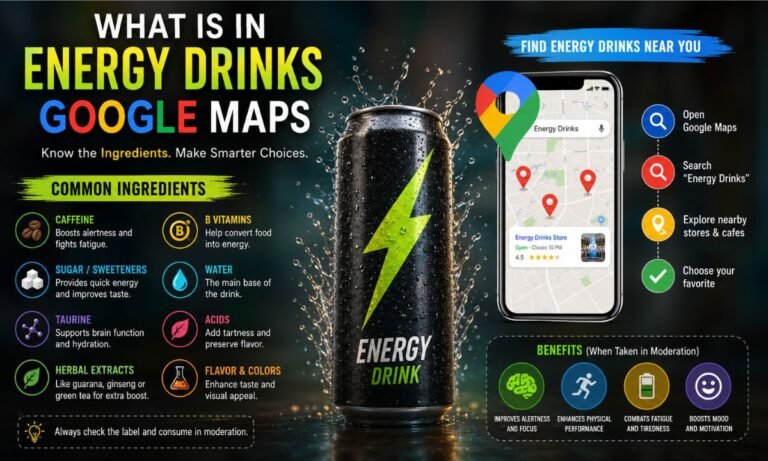
Energy drinks are beverages designed to increase energy, mental focus, and physical performance. Manufacturers usually combine caffeine with sugar, vitamins, amino acids, and herbal extracts.
Most energy drinks contain ingredients such as:
- Caffeine
- Taurine
- Guarana
- Ginseng
- B vitamins
- Sugar or artificial sweeteners
Unlike coffee, many energy drinks include multiple stimulants working together. While these ingredients may provide quick energy, they can also increase the risk of jitters or energy crashes if consumed in excess.
Coffee vs Energy Drinks: Nutritional Comparison
The nutritional value varies depending on the brand and preparation method. The table below shows a general comparison.
| Nutrient | Black Coffee (1 Cup) | Typical Energy Drink (250 ml) |
| Calories | 2 | 110–140 |
| Caffeine | 80–100 mg | 70–160 mg |
| Sugar | 0 g | 25–35 g |
| Fat | 0 g | 0 g |
| Protein | 0.3 g | 0 g |
| Artificial Flavors | No | Usually Yes |
| Antioxidants | High | Very Low |
| Added Vitamins | No | Usually Yes |
Black coffee contains almost no calories or sugar, making it a healthier everyday option for many adults.
Types of Coffee
Coffee comes in many varieties, each offering a different flavor and strength.
| Type | Description |
| Espresso | Strong and concentrated coffee made under pressure |
| Americano | Espresso mixed with hot water |
| Cappuccino | Espresso with steamed milk and milk foam |
| Latte | Espresso with plenty of steamed milk |
| Cold Brew | Coffee brewed slowly with cold water |
| Iced Coffee | Chilled brewed coffee served over ice |
| Instant Coffee | Quick-dissolving coffee powder |
| Filter Coffee | Traditional drip-brewed coffee |
Each type offers a different taste while still providing natural caffeine.
Types of Energy Drinks
Energy drinks also come in different forms to suit various needs.
| Type | Description |
| Regular Energy Drinks | Sweetened beverages with caffeine |
| Sugar-Free Energy Drinks | Low-calorie versions using artificial sweeteners |
| Sports Energy Drinks | Designed for athletes with added electrolytes |
| Natural Energy Drinks | Made with tea extracts, fruit juice, or natural caffeine |
| Organic Energy Drinks | Produced with organic ingredients |
| Energy Shots | Small servings with concentrated caffeine |
Consumers should always read the nutrition label before choosing an energy drink.
Health Benefits of Coffee
Many scientific studies suggest that moderate coffee consumption may provide several health benefits.
Rich in Antioxidants
Coffee contains powerful antioxidants that help protect cells from oxidative stress. These compounds may reduce inflammation and support long-term wellness.
Improves Mental Alertness
Natural caffeine stimulates the brain and increases concentration. Many students and professionals drink coffee before work or study because it improves focus.
Supports Physical Performance
Caffeine encourages the body to release adrenaline, which prepares muscles for physical activity. Many athletes drink coffee before exercise.
May Support Heart Health
Research suggests moderate coffee intake may support cardiovascular health in many healthy adults when consumed without excessive sugar or cream.
May Lower the Risk of Certain Diseases
Several studies associate regular coffee consumption with a lower risk of conditions such as type 2 diabetes and Parkinson’s disease. However, coffee should never replace medical treatment.
Helps Boost Metabolism
Coffee may slightly increase metabolic rate, helping the body burn more calories throughout the day.
Benefits of Energy Drinks
Although energy drinks often receive criticism, they also provide some advantages when consumed responsibly.
Quick Energy Boost
Energy drinks provide rapid energy because they combine caffeine with sugar and other stimulants.
Improved Focus
Many people experience better concentration after drinking an energy drink before work, gaming, or studying.
Enhanced Athletic Performance
Some products include ingredients designed to improve endurance during intense exercise.
Convenient to Carry
Energy drinks come in ready-to-drink cans, making them easy to consume anywhere.
Added Vitamins
Many brands include B vitamins that help convert food into energy.
However, these benefits depend on moderate consumption and the specific ingredients used.
Is Coffee Better Than Energy Drinks for Daily Health?
Many nutrition experts believe coffee is the healthier daily choice because it contains natural ingredients and beneficial antioxidants without large amounts of added sugar. When asking is coffee better than energy drinks, it helps to compare how each beverage affects the body over time. Black coffee provides clean, natural caffeine and very few calories. In contrast, many energy drinks contain high amounts of sugar and multiple stimulants that may increase heart rate and cause energy crashes.
Coffee also allows people to control what they add. Drinking black coffee or using a small amount of milk keeps calories low. Energy drinks, however, often come pre-sweetened and cannot be customized. Another important difference is ingredient quality. Coffee is made from roasted coffee beans, while many energy drinks rely on artificial flavors, preservatives, and added stimulants. This makes coffee a more natural option for most adults.
Coffee vs Energy Drinks: Which Gives Longer-Lasting Energy?
One reason many people ask is coffee better than energy drinks is because they want steady energy throughout the day. Coffee generally provides a smoother and more consistent boost because it contains natural caffeine without excessive sugar. The energy from black coffee often lasts several hours without causing a sudden crash.
Energy drinks may create a faster feeling of alertness, especially those high in sugar. However, once blood sugar levels begin to drop, many people experience fatigue, irritability, or reduced concentration. For individuals looking for sustained productivity at work, during study sessions, or while completing daily tasks, coffee often offers a more balanced source of energy.
Is Coffee Better Than Energy Drinks for Workouts?
Many fitness enthusiasts wonder whether is coffee better than energy drinks before exercising. The answer depends on your goals. Coffee provides natural caffeine that may improve endurance, reaction time, and fat oxidation during exercise. It is also free from unnecessary sugars when consumed black. Many athletes prefer coffee because it delivers consistent energy without artificial ingredients.
Energy drinks may also improve performance because they contain caffeine, taurine, and other stimulants. However, products high in sugar can lead to a rapid spike in blood glucose followed by an energy crash during or after exercise. For most recreational exercisers, black coffee is often the better pre-workout beverage. Those who choose energy drinks should select products with moderate caffeine and little or no added sugar.
How to Make Coffee at Home
Making fresh coffee at home is simple and allows you to control the ingredients.
Ingredients
- 1–2 teaspoons ground coffee
- 1 cup hot water
- Milk (optional)
- Sugar or honey (optional)
Method
- Heat fresh water until it is almost boiling.
- Add the coffee grounds to a coffee maker, French press, or filter.
- Pour the hot water over the coffee.
- Let it brew for 3–5 minutes.
- Pour into a mug.
- Add milk or a natural sweetener if desired.
- Serve hot or pour over ice for iced coffee.
Homemade coffee is healthier than many café drinks because you control the sugar and calories.
How to Make a Healthy Natural Energy Drink at Home
If you want an alternative to commercial energy drinks, you can prepare a natural version using simple ingredients.
Ingredients
- 1 cup coconut water
- Juice of half a lemon
- 1 teaspoon honey
- A pinch of sea salt
- Ice cubes
- Fresh mint leaves (optional)
Method
- Pour the coconut water into a glass.
- Add the lemon juice.
- Stir in the honey until dissolved.
- Add a small pinch of sea salt.
- Mix well and add ice cubes.
- Garnish with mint leaves.
This homemade drink provides hydration, natural electrolytes, and a light energy boost without artificial additives.
Potential Side Effects of Coffee
Although coffee has many benefits, drinking too much may cause unwanted effects. Excessive caffeine intake may lead to nervousness, insomnia, rapid heartbeat, stomach discomfort, or anxiety in sensitive individuals. Drinking coffee late in the evening may also interfere with sleep quality. Most healthy adults can safely consume moderate amounts of coffee, but individual tolerance varies.
Potential Side Effects of Energy Drinks
Energy drinks may pose greater health concerns when consumed frequently or in large quantities.
Possible side effects include:
- Increased heart rate
- High blood pressure
- Sleep disturbances
- Anxiety and restlessness
- Sugar crashes
- Tooth decay from sugary drinks
- Dehydration during intense activity
People with heart conditions, high blood pressure, or caffeine sensitivity should consult a healthcare professional before consuming energy drinks regularly.
Who Should Choose Coffee?
Coffee is generally a good option for:
- Adults looking for a natural energy boost.
- Students who need better focus.
- Office workers seeking steady productivity.
- People trying to reduce sugar intake.
- Individuals who enjoy antioxidant-rich beverages.
When consumed in moderation, coffee fits well into many healthy lifestyles.
Who Should Be Careful with Energy Drinks?
Energy drinks may not be suitable for everyone. Children, teenagers, pregnant women, people with heart disease, and those sensitive to caffeine should avoid or limit these beverages. Even healthy adults should consume them occasionally rather than making them a daily habit. Reading the nutrition label and checking the caffeine content before drinking an energy beverage is always a smart choice.
Expert Tips for Choosing the Better Drink
If your goal is long-lasting energy and better overall health, choose black coffee or lightly sweetened coffee whenever possible.
- Stay hydrated throughout the day because dehydration often causes fatigue that people mistake for low energy.
- Avoid consuming large amounts of caffeine from multiple sources in a short period.
- Limit sugary beverages and choose natural options whenever available.
- Listen to your body and reduce caffeine if you notice sleep problems, anxiety, or a rapid heartbeat.
People who want to learn more from peer-reviewed medical studies can explore PubMed, a free database of biomedical literature maintained by the U.S. National Library of Medicine.
Conclusion
When asking is coffee better than energy drinks, the answer is yes for most people. Coffee provides natural caffeine, beneficial antioxidants, and very few calories when consumed without excessive sugar or cream. It delivers steady energy, supports focus, and may offer several long-term health benefits.
Energy drinks can provide a quick boost and may be useful in specific situations, but many products contain large amounts of added sugar, artificial ingredients, and multiple stimulants. Regular consumption may increase the risk of energy crashes and other unwanted side effects.
For daily use, black coffee or homemade coffee is generally the smarter choice. If you prefer an energy drink, select one with low sugar, moderate caffeine, and transparent ingredient labeling. By making informed choices and consuming caffeine responsibly, you can enjoy better energy while supporting your overall health.
Frequently Asked Questions
Q. Is coffee healthier than energy drinks?
Yes. For most adults, black coffee is considered healthier because it contains natural caffeine, antioxidants, and very little sugar.
Q. Is coffee better than energy drinks for studying?
Coffee often provides steady alertness and concentration without the sugar crash that many energy drinks can cause.
Q. Which contains more caffeine?
It depends on the product. Some energy drinks contain more caffeine than a cup of coffee, while others contain less. Always check the label.
Q. Can I drink coffee every day?
Most healthy adults can safely enjoy moderate amounts of coffee daily. Avoid excessive consumption and follow your healthcare provider’s advice if you have medical conditions.
Q. Are sugar-free energy drinks healthier?
Sugar-free versions reduce calorie intake, but they still contain stimulants and artificial ingredients. They should still be consumed in moderation.
Q. What is the healthiest way to boost energy?
A combination of quality sleep, regular exercise, a balanced diet, proper hydration, and moderate coffee consumption is usually the healthiest approach.