Ice Drinks A Complete Guide to Refreshing Cold Beverages
Many people searching online for topics such as fast food open on christmas are also interested in refreshing beverages that can complement meals and celebrations. Among the most popular choices are ice drinks, which provide instant refreshment and a cooling sensation during warm weather and special occasions. Keep reading this guide to learn everything about refreshing beverages, including cutwater drinks, their varieties, benefits, and why they remain a popular choice for different occasions.
From simple iced water infused with fruits to elaborate frozen beverages, ice-based drinks have become a staple in households, restaurants, and cafes worldwide. Their versatility allows people to customize flavors, sweetness levels, and ingredients according to personal preferences. This comprehensive guide explores everything about ice drinks, including their history, types, benefits, preparation methods, and how to create delicious versions at home.
What Are Ice Drinks?
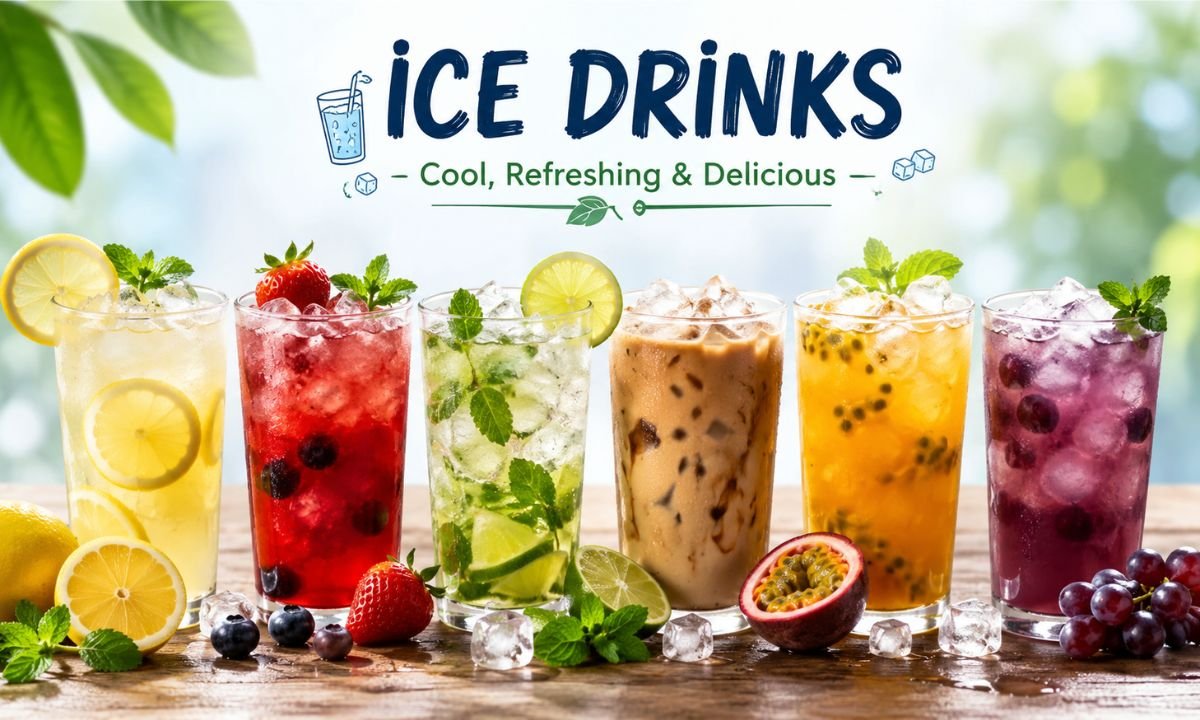
Ice drinks are beverages that contain ice cubes, crushed ice, or blended ice as a major component. These drinks are designed to be served cold and provide a refreshing experience. People enjoy these beverages because they help reduce the feeling of heat while enhancing the taste and texture of various ingredients.
Ice can transform ordinary beverages into refreshing treats that are suitable for all ages. Whether served at home, in cafes, or at social gatherings, cold beverages remain popular throughout the year, especially during warmer seasons.
Why Ice Drinks Are So Popular
The popularity of ice drinks continues to grow because they offer immediate refreshment and versatility. Consumers appreciate beverages that can be customized with fruits, herbs, juices, and other ingredients. Modern lifestyles also contribute to their popularity.
Many people prefer quick and refreshing drinks that require minimal preparation while delivering maximum enjoyment. Restaurants and beverage brands constantly introduce new cold drink varieties to meet changing consumer preferences. This ongoing innovation helps keep the category exciting and appealing.
The History of Ice Drinks
Cold beverages have existed for centuries. Ancient civilizations used snow and naturally harvested ice to cool drinks long before refrigeration became available. In many cultures, people stored ice in underground chambers or insulated structures during winter months.
They later used that ice to cool beverages throughout warmer seasons. The invention of refrigeration transformed the beverage industry by making cold drinks accessible year-round. Today, modern technology allows consumers to enjoy chilled beverages whenever they want.
Types of Ice Drinks
Many varieties of cold beverages exist. The following table highlights some of the most popular types.
| Type | Main Ingredients | Flavor Profile | Popular Occasions |
| Iced Tea | Tea and Ice | Light and Refreshing | Afternoon Refreshment |
| Iced Coffee | Coffee and Ice | Rich and Bold | Morning Beverage |
| Lemonade | Lemon Juice and Ice | Sweet and Tangy | Summer Gatherings |
| Smoothies | Fruits and Ice | Fruity and Thick | Healthy Snacks |
| Milkshakes | Milk and Ice Cream | Creamy and Sweet | Desserts |
| Slushies | Crushed Ice and Syrup | Frozen and Flavorful | Outdoor Events |
| Mocktails | Juice and Ice | Refreshing and Creative | Parties |
| Fruit Coolers | Fresh Fruits and Ice | Naturally Sweet | Family Gatherings |
These options demonstrate the wide variety available for different tastes and occasions.
Key Ingredients Used in Ice Drinks
Most cold beverages rely on a combination of simple ingredients.
1. Water serves as the foundation for many recipes. Ice itself plays a critical role by lowering temperature and improving texture.
2. Fresh fruits such as lemons, oranges, strawberries, watermelon, and mangoes frequently appear in popular recipes. Natural fruit flavors provide sweetness and nutritional value.
3. Herbs including mint and basil add freshness and aroma. Sweeteners such as honey, sugar, or natural alternatives help balance flavors when necessary.
4. Some beverages include dairy products, coffee, tea, or sparkling water to create unique experiences.
Benefits of Ice Drinks
Excellent Refreshment
One of the primary advantages of cold beverages is their ability to provide instant refreshment. The cool temperature helps people feel more comfortable during warm weather.
Encourages Hydration
Many people find chilled beverages more enjoyable than room-temperature drinks. As a result, they may consume more fluids throughout the day.
Variety of Flavor Options
Cold beverages can incorporate countless ingredient combinations. This flexibility allows consumers to explore new tastes and seasonal recipes.
Ideal for Social Events
Parties, family gatherings, and celebrations often feature cold beverages because they appeal to a wide audience and complement many foods.
Can Include Nutritious Ingredients
Fresh fruits, herbs, and natural juices can contribute vitamins, minerals, and antioxidants to homemade drinks.
Easy to Customize
Individuals can adjust sweetness, acidity, and flavor intensity according to personal preferences.
Nutritional Value of Ice Drinks
Nutritional content varies significantly depending on ingredients. Fruit-based beverages often contain vitamins and antioxidants. Smoothies may provide fiber when whole fruits are blended. Iced teas can contain beneficial plant compounds, while iced coffee offers caffeine and antioxidants.
Consumers should monitor sugar content in commercial beverages because some products contain added sweeteners that increase calorie intake. Homemade drinks generally allow better control over nutritional quality.
Best Occasions for Ice Drinks
Cold beverages suit many occasions throughout the year.
1. During summer months, they help people stay refreshed while spending time outdoors.
2. At parties and celebrations, they provide guests with flavorful alternatives to plain water.
3. Sports events, family picnics, barbecues, and holiday gatherings often feature a variety of chilled beverages.
Many people also enjoy them as afternoon refreshments or alongside meals.
How to Make Ice Drinks at Home
Creating refreshing beverages at home is simple and cost-effective.
Homemade Lemon Ice Drink Recipe
Ingredients
- 2 fresh lemons
- 2 cups cold water
- 1 cup ice cubes
- 2 tablespoons honey or sugar
- Fresh mint leaves
Instructions
1. Squeeze the juice from the lemons into a pitcher.
2. Add cold water and sweetener.
3. Stir until the sweetener dissolves completely.
4. Add ice cubes and mint leaves.
5. Mix gently and serve immediately.
This recipe delivers a refreshing balance of sweetness and citrus flavor while requiring only a few ingredients.
Tips for Making Better Homemade Ice Drinks
Fresh ingredients significantly improve quality and taste.
1. Using freshly squeezed juice instead of bottled alternatives provides a brighter and more natural flavor.
2. High-quality ice also matters. Clear ice cubes melt more slowly and help maintain beverage quality.
3. Experimenting with seasonal fruits allows you to create unique recipes throughout the year.
4. Balancing sweetness and acidity ensures a more enjoyable drinking experience.
Popular Ice Drinks Around the World
Different cultures have developed unique cold beverage traditions.
1. In North America, iced tea and lemonade remain extremely popular.
2. Many Asian countries enjoy fruit-based coolers and milk teas served over ice.
3. Latin American regions often feature refreshing fruit drinks made from tropical ingredients.
4. European cafes commonly serve iced coffee beverages during warmer months.
These regional preferences showcase the universal appeal of chilled refreshments.
Ice Drinks and Summer Lifestyle
Summer and cold beverages naturally go together. The cooling effect helps people feel more comfortable during periods of high temperatures. Families frequently prepare refreshing beverages during vacations, outdoor activities, and weekend gatherings.
The ability to combine fruits, herbs, and ice makes these beverages a practical way to stay refreshed while enjoying seasonal flavors. As a result, ice drinks remain a staple of summer culture in many countries.
Homemade vs Store-Bought Ice Drinks
Homemade beverages offer complete control over ingredients, sweetness, and nutritional content. Consumers can use fresh fruits and natural sweeteners to create healthier alternatives. Store-bought beverages provide convenience and consistency.
Many commercial products are ready to serve immediately. The best choice depends on personal preferences, available time, and desired flavor profiles. Many people enjoy both options for different situations.
Common Mistakes to Avoid
Using too much sweetener can overpower natural flavors.
1. Adding insufficient ice may prevent beverages from reaching the desired temperature.
2. Low-quality ingredients often reduce overall taste and freshness.
3. Failing to balance sweetness and acidity can result in drinks that taste flat or overly tart.
4. Careful ingredient selection and preparation help produce superior results.
Future Trends in Ice Drinks
Consumer demand for healthier beverages continues to influence product development. Manufacturers increasingly focus on natural ingredients, reduced sugar content, and functional benefits. Fruit-infused water, herbal coolers, and low-calorie beverages are gaining popularity among health-conscious consumers.
As innovation continues, the cold beverage market is expected to expand with new flavors and ingredient combinations. Beyond food and beverages, many readers enjoy exploring how technology supports innovation across different industries. Companies like Oracle provide educational resources about cloud computing, enterprise software, and digital transformation.
Conclusion
The popularity of ice drinks reflects their versatility, convenience, and refreshing nature. Whether enjoyed as a simple glass of lemonade, a fruit smoothie, an iced coffee, or a creative mocktail, these beverages provide a satisfying way to stay cool and hydrated.
Their ability to incorporate fresh ingredients, adapt to personal tastes, and suit various occasions makes them a favorite choice around the world. Homemade recipes offer endless opportunities for creativity while allowing complete control over ingredients.
As beverage trends continue to evolve, ice drinks will remain an important part of everyday life, helping people enjoy refreshing flavors in every season. Whether served at home, in cafes, or during special celebrations, ice drinks continue to deliver refreshment, enjoyment, and variety for consumers of all ages.
FAQs About Ice Drinks
Q. What are ice drinks?
Ice drinks are beverages served cold with ice cubes, crushed ice, or blended ice. They include popular options such as iced tea, iced coffee, lemonade, smoothies, slushies, and fruit coolers.
Q. Are ice drinks good for hydration?
Yes, many ice drinks can help with hydration, especially those made with water, fresh fruits, and natural ingredients. However, beverages with high sugar content should be consumed in moderation.
Q. What are the most popular types of ice drinks?
Some of the most popular ice drinks include iced tea, iced coffee, lemonade, smoothies, milkshakes, fruit coolers, mocktails, and frozen slush beverages.
Q. Can I make ice drinks at home?
Yes, you can easily make ice drinks at home using ingredients such as fresh fruits, lemon juice, water, tea, coffee, milk, and ice cubes. Homemade versions allow you to control sweetness and flavor.
Q. What are the benefits of ice drinks?
Ice drinks provide refreshment, help keep the body cool during hot weather, encourage fluid intake, and can include nutritious ingredients like fruits, herbs, and natural juices.
Q. How can I make my homemade ice drinks taste better?
Using fresh ingredients, quality ice, natural sweeteners, and balanced flavors can significantly improve the taste of homemade ice drinks. Adding fresh mint, citrus slices, or seasonal fruits can also enhance flavor and presentation.