Non Alcoholic Drinks Types, Benefits, Ingredients
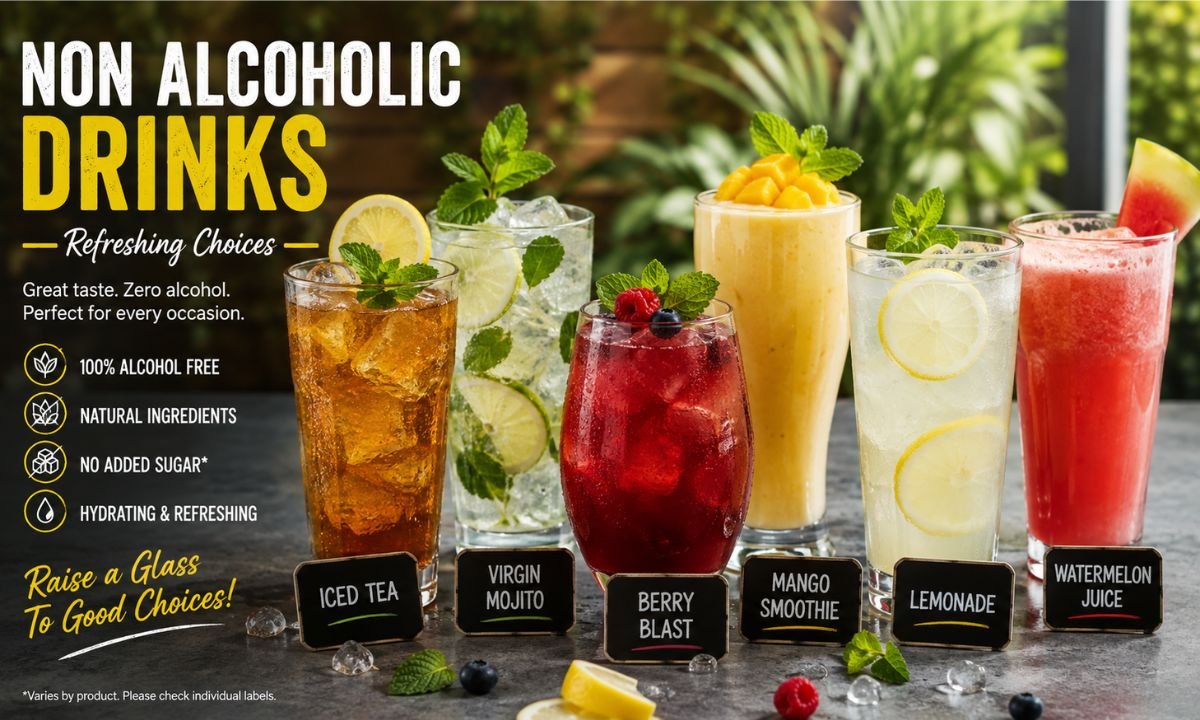
Non alcoholic drinks have become popular among people who want refreshing and flavorful beverages without alcohol. From fresh fruit juices and sparkling water to iced tea, coffee, smoothies, mocktails, and soft drinks, there are many options for every taste and occasion. As more people pay attention to ingredients and nutrition, questions about caffeine and energy drinks have also become common, including do energy drinks cause infertility.
Current research does not show consistent evidence that caffeinated beverages directly cause fertility problems, although some studies have reported associations between energy drink consumption and reduced chances of conception in certain groups.
In this guide, we will explore different types of non-alcoholic beverages, their common ingredients, how to prepare them at home, and what to consider when choosing drinks. You will also learn about sugar, caffeine, calories, and other factors that can affect your beverage choices.
Types of Non Alcoholic Drinks
There are many types of non alcoholic drinks, and each one offers a different flavor, texture, and drinking experience. Some are quick to prepare at home, while others require a few more ingredients. Below are some of the most popular choices and simple ways to make them.
Fruit Juices
Fruit juice is one of the easiest drinks to prepare at home. You can use fresh oranges, apples, pineapples, grapes, cranberries, or grapefruits to create naturally fruity beverages.
Ingredients:
- 2 cups fresh fruit or chopped fruit
- ½ to 1 cup cold water
- 1 to 2 teaspoons honey or sugar, if needed
- Ice cubes
- A few drops of lemon juice, optional
How to Make It:
Wash and cut the fruit into small pieces. Add the fruit and water to a blender and blend until smooth. Strain the mixture if you want a thinner juice. Add a little honey or sugar if the fruit tastes too sour, then pour it over ice and serve.
You can also mix two or more fruits to create new flavors. For example, pineapple and orange make a bright tropical drink, while apple and cranberry create a sweet and slightly tart combination.
Sparkling Water
Sparkling water is a light and refreshing choice, especially on warm days. You can drink it plain or add fresh fruits, herbs, and citrus for extra flavor.
Ingredients:
- 1 cup chilled sparkling water
- ½ lemon or lime
- 3 to 4 cucumber slices
- 4 to 5 fresh mint leaves
- Ice cubes
- Fresh berries, optional
How to Make It:
Fill a glass with ice and add the cucumber slices and mint leaves. Squeeze in fresh lemon or lime juice. Slowly pour the chilled sparkling water into the glass and gently stir.
For a fruitier version, add strawberries, blueberries, raspberries, or orange slices. Avoid stirring too hard because strong mixing can cause the drink to lose some of its fizz.
Tea
Tea offers many flavors and can be served hot or cold. Black tea, green tea, peppermint tea, chamomile tea, and fruit tea are all popular choices.
Ingredients:
- 1 tea bag or 1 teaspoon loose tea
- 1 cup hot water
- 1 to 2 teaspoons honey, optional
- Lemon slices, optional
- Ice cubes for iced tea
How to Make It:
Boil water and pour it over the tea bag or loose tea. Let it steep according to the tea’s instructions. Remove the tea bag or strain the loose leaves.
Add honey while the tea is warm if you want some sweetness. For iced tea, let the tea cool and pour it over a glass filled with ice. Add lemon slices or fresh mint for extra flavor.
Herbal teas such as peppermint and chamomile are naturally caffeine-free, while black and green teas generally contain caffeine.
Coffee
Coffee is a popular choice for people who enjoy rich and bold flavors. You can make it hot or cold and add milk, plant-based milk, spices, or flavored syrups.
Ingredients:
- 1 cup brewed coffee
- ¼ to ½ cup milk or plant-based milk
- 1 to 2 teaspoons sugar or syrup, optional
- Ice cubes for iced coffee
- Cinnamon or cocoa powder, optional
How to Make It:
Brew one cup of coffee using your preferred method. For hot coffee, add warm milk and sweetener if desired. Stir well and serve immediately.
For iced coffee, allow the brewed coffee to cool slightly. Fill a glass with ice, pour in the coffee, and add cold milk. You can finish it with a small amount of cinnamon, cocoa powder, or flavored syrup.
Espresso can also become the base for drinks such as lattes and cappuccinos. Cold brew uses a different preparation method and usually requires coffee grounds to steep in cold water for several hours.
Soft Drinks
Soft drinks are widely available and come in many flavors, including cola, lemon-lime soda, ginger ale, root beer, and fruit-flavored soda.
Ingredients for a Simple Homemade Soda:
- 1 cup chilled sparkling water
- 2 to 3 tablespoons fresh lemon or lime juice
- 1 to 2 teaspoons simple syrup
- Ice cubes
- Lemon or lime slices
How to Make It:
Add ice to a glass and pour in the fresh lemon or lime juice. Add simple syrup and stir until combined. Slowly add chilled sparkling water and gently mix.
You can change the flavor by using orange juice, berries, ginger, or other fresh fruits. Homemade versions allow you to control the amount of sweetener.
Packaged soft drinks can contain significant amounts of added sugar, so check the nutrition label before choosing one. Diet and zero-sugar products may use alternative sweeteners instead.
Smoothies
Smoothies are thick beverages made by blending fruits, vegetables, dairy products, or plant-based ingredients. They can work as a refreshing drink or a filling snack.
Ingredients:
- 1 banana
- 1 cup berries or another fruit
- ½ to 1 cup milk or plant-based milk
- ½ cup plain yogurt, optional
- 1 teaspoon honey, optional
- A few ice cubes
How to Make It:
Peel the banana and cut the fruit into smaller pieces. Add the fruit, milk, yogurt, and ice to a blender. Blend for about 30 to 60 seconds until the mixture becomes smooth and creamy.
Taste the smoothie before adding honey because ripe fruit can already provide plenty of sweetness. You can also add spinach, oats, chia seeds, or other ingredients depending on the type of smoothie you want to make.
The nutritional value of a smoothie depends on its ingredients. Using whole fruits, plain yogurt, and unsweetened milk can help keep the recipe balanced. Adding large amounts of sugar, sweet syrups, or sugary juices can increase the total sugar and calorie content.
What Are Mocktails?
Mocktails are cocktail-style beverages prepared without traditional alcoholic spirits. They can combine fruit juices, sparkling water, herbs, spices, syrups, and fresh fruit.
A mocktail can be as simple as sparkling water with lime and mint or as elaborate as a layered fruit drink served in a decorative glass.
Mocktails have become popular at weddings, birthday parties, restaurants, corporate events, and family celebrations because they give non-drinkers a more exciting alternative to plain soft drinks.
When preparing a mocktail at home, fresh ingredients can make a noticeable difference. Fresh citrus juice, mint leaves, berries, cucumber, and sparkling water can create strong flavors without requiring alcohol.
Are Non Alcoholic Drinks Healthy?
Whether a beverage is healthy depends on its ingredients, portion size, and how often you consume it. Not every alcohol-free beverage automatically provides health benefits.
Water is an excellent everyday choice for hydration. Unsweetened tea and coffee can also fit into many balanced diets. On the other hand, sugary sodas, sweetened juices, and dessert-style drinks can add substantial amounts of sugar and calories.
Some packaged beverages may also contain caffeine, artificial sweeteners, sodium, or other additives. Reading the ingredient list and nutrition facts can help you make an informed choice.
The best approach is to look at the complete beverage rather than assuming that an alcohol-free label automatically means healthy.
When choosing beverages, it is useful to consider sugar, calories, caffeine, and serving size. Following USDA nutrition guidelines can also help you make better beverage choices as part of a balanced diet.
Do Non Alcoholic Drinks Contain Sugar?
Some do, while others contain little or no sugar. The amount depends on the ingredients and preparation method.
Naturally occurring sugars can appear in fruit and milk-based beverages. Added sugars may come from syrups, sweeteners, flavored sauces, or other ingredients.
If you want to reduce your sugar intake, choose water, unsweetened tea, plain sparkling water, or beverages labeled as having no added sugar. Always check the nutrition facts because similar-looking drinks can have very different amounts of sugar.
Do They Contain Caffeine?
Some alcohol-free beverages contain caffeine, while others do not.
Coffee, many types of black tea, green tea, energy drinks, and some sodas can contain caffeine. Water, most fruit juices, milk, and many herbal teas are generally caffeine-free unless another caffeinated ingredient has been added.
Caffeine affects people differently. If you want to limit caffeine, check the product label and consider the serving size rather than relying only on the beverage name.
What Are the Best Drinks for Parties?
A good party beverage should offer flavor, look appealing, and work for different guests. Mocktails, fruit punches, sparkling water, iced tea, lemonade, and fresh fruit drinks can all work well.
A simple drink station can give guests several choices. You can provide sparkling water, fruit juices, sliced citrus, berries, mint, and ice so people can create their own combinations.
For larger gatherings, prepare drinks in pitchers or dispensers. This makes serving easier and allows guests to refill their glasses without waiting.
How to Choose the Right Beverage
Your choice depends on the occasion and your personal preferences. For everyday hydration, water is usually the simplest option.
For meals, sparkling water, unsweetened tea, or a light fruit beverage can work well. For celebrations, mocktails and sparkling fruit drinks can provide a more special presentation.
If you are watching your sugar intake, compare nutrition labels before choosing packaged drinks. If caffeine matters to you, check whether the beverage contains coffee, tea, energy-drink ingredients, or another caffeine source.
It is also important to remember that “non-alcoholic” describes alcohol content, not necessarily sugar, calories, caffeine, or overall nutrition.
Non Alcoholic Drinks vs. Alcoholic Drinks
The main difference is the presence of alcohol. Traditional alcoholic beverages contain ethanol, which can affect the brain and body and cause intoxication.
Alcohol-free beverages do not provide the same intoxicating effect. However, labels can vary, especially for products marketed as “non-alcoholic,” “alcohol-free,” or “zero proof.”
If avoiding alcohol completely is important to you, read the product label carefully and understand the terminology used in your country. Some products marketed as alcohol-free alternatives may have different definitions or trace amounts depending on local regulations.
Popular Occasions for Alcohol-Free Beverages
These beverages can fit almost any occasion. Families may serve them with dinner, while restaurants can offer them as alternatives to alcoholic cocktails.
They also work well at weddings, office events, birthday parties, holiday gatherings, picnics, barbecues, and casual get-togethers.
Their biggest advantage is variety. Guests can enjoy creative flavors without needing to consume alcohol.
Final Thoughts
Non alcoholic drinks offer much more variety than plain water or soda. From fresh juices and smoothies to coffee, tea, sparkling water, and creative mocktails, there is an option for almost every taste and occasion.
The healthiest choice depends on the ingredients and your individual needs. Checking sugar, calories, caffeine, and serving size can help you make better decisions.
Whether you want a refreshing drink for a hot afternoon, a flavorful option with dinner, or an attractive beverage for a celebration, alcohol-free drinks provide plenty of possibilities without the intoxicating effects of traditional alcoholic beverages.
One Comment