The Vibrant World of Pink Alcoholic Drinks Culture & Trends
When people hear about pink alcoholic drinks, they often think of fun parties, celebrations, and bright summer vibes. Just like the excitement around sonic secret menu drinks at popular restaurants, pink drinks have become trendy in cafes, bars, and social gatherings worldwide. Even though the term sounds colorful and stylish, there is more to pink alcoholic drinks than just their shade. This article will explore where they came from, how they fit into culture, and how adults enjoy them responsibly. It will also highlight age laws and fun non‑alcoholic pink drinks that anyone can enjoy.
What Are Pink Alcoholic Drinks?
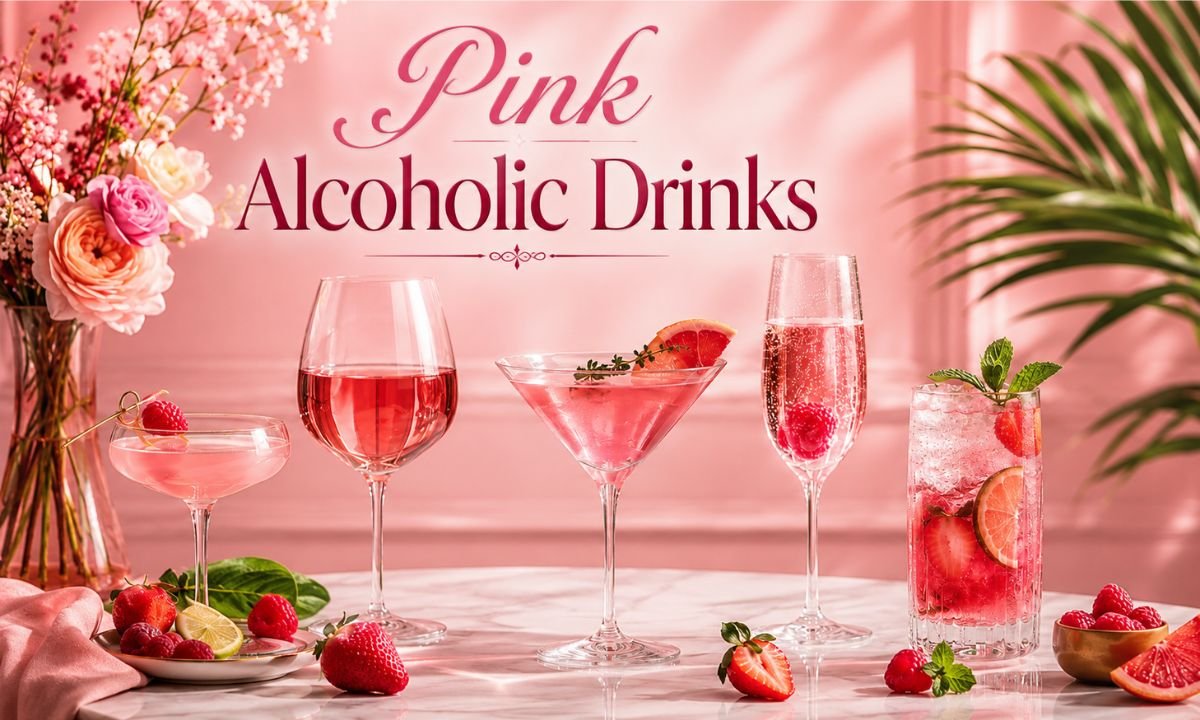
Pink alcoholic drinks are beverages that contain alcohol and have a noticeable pink color. The pink color often comes from fruit juices, syrups, or botanicals. People enjoy these drinks at celebrations like birthdays, weddings, and summer gatherings because they look cheerful and inviting.
The phrase pink alcoholic drinks has become a popular search topic. It describes a whole category of beverages that often appeal to visual trends and seasonal menus. The color alone makes them stand out compared to clear or darker drinks.
History and Rise in Popularity
The idea of pink drinks is not brand new. Colored wines such as rosé have existed for centuries in Europe. Rosé, for example, is made by letting red grape skins stay in contact with the juice for a short time enough to give it a pink tint but not enough to make it a red wine.
In recent decades, pink alcoholic drinks have become associated with summer and celebrations. Social media helped boost their popularity. Photos of colorful drinks by the pool, on the beach, or at parties made more people curious about them.
Types of Pink Alcoholic Drinks
Pink alcoholic drinks come in many forms, each with unique characteristics, flavors, and cultural significance. While they are best known for their bright and festive appearance, they also vary in taste, alcohol content, and serving style. Understanding the types can help readers appreciate the variety without needing to drink them.
1. Rosé Wine
One of the most well-known pink alcoholic drinks is rosé wine. Rosé is made from red grapes with minimal skin contact, which gives the wine a delicate pink hue rather than a deep red. It ranges in flavor from dry to sweet, and it’s often enjoyed during brunches, outdoor events, or summer gatherings. Rosé can be still, sparkling, or semi-sparkling, giving drinkers a variety of textures and experiences. Its popularity has grown significantly due to social media, which often showcases rosé in photogenic summer settings.
2. Pink Gin
Pink gin is another popular type of pink alcoholic drink. Unlike traditional gin, pink gin is infused with fruits or botanicals that provide both a pink color and a subtle flavor. Some pink gins are made with berries, while others use floral ingredients. Pink gin is often served over ice with a slice of lemon or a few berries, creating a visually appealing drink that is slightly lighter in taste than classic gin. Its modern aesthetic and fruity twist make it a favorite in trendy bars.
3. Fruity Cocktails
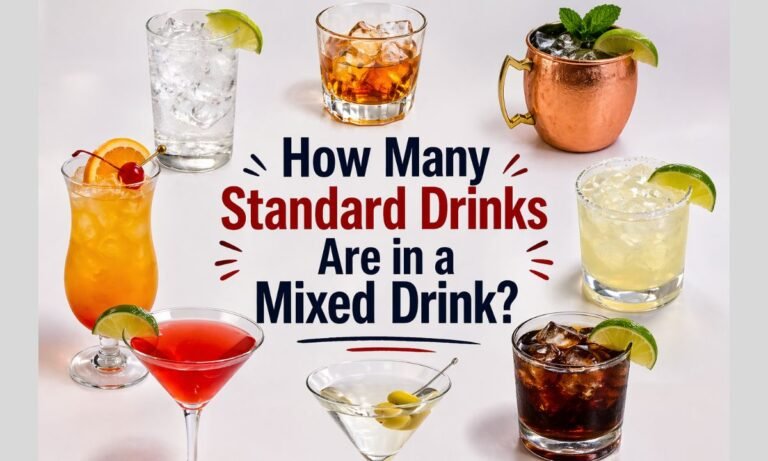
Many cocktails are designed specifically to appear pink, using fruit juices, flavored syrups, or liqueurs. Classic examples include drinks that mix vodka or rum with cranberry, strawberry, or raspberry juice. These cocktails often feature garnishes such as fresh berries, citrus slices, or mint leaves to enhance their appearance. Fruity cocktails are widely served at celebrations like weddings, birthday parties, or summer events, emphasizing style as much as taste.
4. Sparkling Pink Drinks
Some pink alcoholic drinks are sparkling, offering bubbles and effervescence in addition to their color. Sparkling rosé is a popular choice for celebratory occasions like toasts, parties, or festive dinners. These drinks often feel lighter and more refreshing, making them ideal for warm weather or outdoor gatherings. The visual appeal of sparkling pink drinks also makes them highly photogenic, contributing to their presence on social media and event menus.
5. Premixed and Ready-to-Serve Drinks
In recent years, premixed canned beverages and ready-to-serve pink alcoholic drinks have gained popularity. These products are designed for convenience and are often flavored with fruit or floral extracts. They appeal to people who want a colorful, easy-to-serve option for parties or picnics. While convenient, these drinks also highlight the trend of visually appealing beverages, combining both taste and Instagram-friendly aesthetics.
6. Specialty or Seasonal Creations
Many bars and restaurants create specialty or seasonal pink alcoholic drinks. These are often limited-time creations that incorporate seasonal fruits, herbs, or decorative elements to make the drink unique. Seasonal pink drinks may appear during summer, spring, or holidays, and are designed to attract attention with both flavor and presentation. Bartenders often experiment with layering colors, adding edible flowers, or including creative garnishes to make these drinks stand out.
Ingredients of Pink Alcoholic Drinks
| Ingredient Type | Examples / Details | Purpose in the Drink |
| Fruit Juices | Cranberry, Strawberry, Raspberry, Pomegranate | Provides natural pink color and fruity flavor |
| Syrups | Grenadine, Raspberry syrup | Adds sweetness and enhances color |
| Alcohol Base | Vodka, Gin, Rum, Rosé Wine | Balances alcohol and creates a refreshing taste |
| Liqueurs | Triple Sec, Peach Liqueur, Cherry Liqueur | Adds flavor complexity and slight sweetness |
| Mixers | Soda water, Lemonade, Tonic water | Balances alcohol and creates refreshing taste |
| Garnishes | Fresh berries, Citrus slices, Mint leaves | Enhances presentation and visual appeal |
Why the Color Matters
The color pink can change how we feel about a drink. Many people associate pink with sweetness, summer, and fun. Brands and bartenders sometimes choose pink for drinks on purpose, to make them more eye‑catching or festive. This is part of why pink alcoholic drinks are searched and talked about so much online.
The color doesn’t mean anything specific about taste or strength. A pink drink can be sweet, sour, strong, mild, or tart; the color just comes from the ingredients used.
Where Adults of Legal Drinking Age Can Buy Pink Alcoholic Drinks
In many countries, adults (usually 18 or 21+, depending on local laws) can purchase alcoholic beverages from these places:
- Licensed Liquor Stores: These stores sell a variety of alcoholic drinks, including wines (like rosé), premixed beverages, and spirits that can be used to make pink alcoholic drinks.
- Bars and Restaurants: Many cafés, bars, and restaurants offer pink alcoholic drinks on their menus, especially during summer or at celebrations.
- Wine Shops: Specialized wine shops often carry rosé and other pink‑tinted wine options.
- Events and Festivals: Some food and drink festivals feature tastings or booths where adults can try different pink alcoholic beverages responsibly.
Adults are always required to show a valid ID (like a driver’s license or passport) before buying or drinking alcohol.
Where Anyone Can Find Pink Non‑Alcoholic Drinks
Whether you’re a teen, young adult, or just someone who doesn’t drink alcohol, you can enjoy pink drinks too! These non‑alcoholic versions are available in many places:
- Cafés and Juice Bars: Many coffee shops and juice bars offer pink lemonade, berry smoothies, and fun mocktails (non‑alcoholic mixed drinks).
- Restaurants: Most restaurants include non‑alcoholic beverages on their menu, and some create festive pink drinks using fruit juices and garnishes.
- Stores and Supermarkets: You can find bottled pink juices, flavored sparkling waters, or fruit drinks in grocery aisles.
- Make Your Own at Home: With ingredients like cranberry juice, strawberry puree, pink lemonade, and sparkling water, anyone can make tasty pink drinks at home — no alcohol required!
Important Note About Alcohol Laws
Alcohol purchase and consumption are governed by legal age limits that vary by country and region. These laws are designed to protect health and safety. Always follow the legal drinking age where you live, and never attempt to buy alcohol before you’re of age.
If you want, I can give you a list of fun and tasty non‑alcoholic pink drink ideas that you can try or make at home!
Cultural and Social Side of Pink Alcoholic Drinks
In many social settings, pink alcoholic drinks have become symbols of celebration. For example, rosé wine is often associated with brunches, outdoor parties, and sunny afternoons. The color and presentation make them popular for events and create a festive mood.
In some cultures, pink drinks have even become part of traditions. People might choose a pink beverage for a toast at a wedding or include it in themed parties. This trend shows how color and presentation influence how we enjoy food and drinks.
Non‑Alcoholic Alternatives for Everyone to Enjoy
The popularity of pink drinks has grown not just for those that contain alcohol, but also for non‑alcoholic alternatives that everyone can enjoy. These drinks are pink, fun, and can be just as tasty. They are great for parties, school events, and family gatherings.
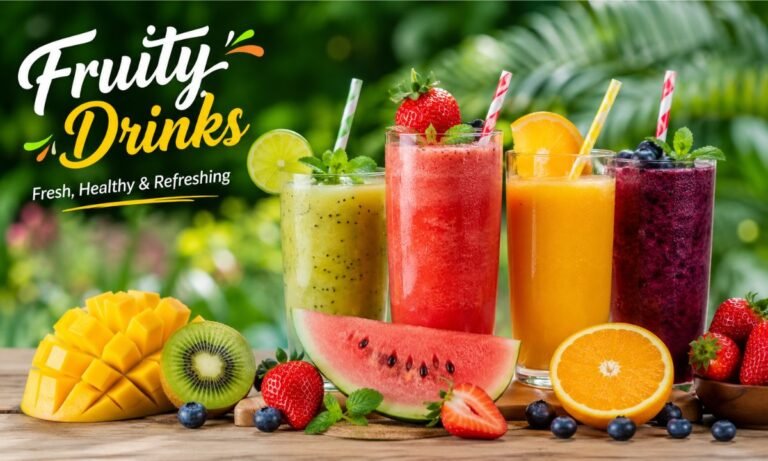
Non‑alcoholic pink drinks often use ingredients like strawberry juice, pink lemonade, raspberry syrup, or dragon fruit. Bartenders and cafes sometimes create “mocktail” versions of popular pink beverages so that people who don’t drink alcohol can still enjoy the fun color and fruity flavors.
Because these alternatives don’t contain alcohol, they are safe for all ages. This means that everyone, kids, teens, and adults who don’t want alcohol can enjoy a special pink drink that feels festive but is healthy and safe.
How Pink Drinks Are Made (At a High Level)
At a basic level, pink alcoholic drinks gain their color from fruits and botanicals. Ingredients like cranberries, strawberries, raspberries, and grenadine all contribute a pink tone. Some drinks are light and fruity, while others are richer depending on the juices and mixers used.
Modern mixologists (people who create drinks) often choose ingredients not only for taste but also for appearance. The look of a drink can affect how a person experiences it. Bright colors, pretty garnishes, and creative presentations are all part of why pink drinks are eye‑catching.
Health, Moderation, and Choices
When people choose to drink alcoholic beverages, adults are encouraged to do so responsibly. This means knowing limits, listening to local laws, and understanding how alcohol affects the body. Talking about pink alcoholic drinks in an informational way helps increase awareness of their cultural role without promoting unsafe behavior.
For those who don’t drink alcohol, choosing non‑alcoholic versions or different refreshments is a healthy option. Many cafes and restaurants now offer creative, colorful, non‑alcoholic beverages that give the same festive feeling without alcohol.
Final Thoughts
Pink alcoholic drinks are part of modern beverage culture because of their color, social appeal, and the way they show up on menus and social media. While the topic often gets attention for fun and aesthetics, it’s important to remember that they are for adults of legal age.
By understanding what these drinks are, where they came from, and how they fit into world culture, you get a full picture without encouraging unsafe behavior. Whether people enjoy them or choose non‑alcoholic alternatives, the trend shows how creative presentation and color can make a big difference in how we think about beverages.
Frequently Asked Questions about Pink Alcoholic Drinks
1. What are pink alcoholic drinks?
Pink alcoholic drinks are beverages that contain alcohol and have a pink color, usually from fruit juices, syrups, or flavored liqueurs. They are popular for their bright appearance and festive appeal in social events and restaurant menus.
2. Are pink alcoholic drinks only for adults?
Yes. Only adults of the legal drinking age in their country can buy or consume alcoholic beverages. For younger people, non-alcoholic pink drinks such as pink lemonade, berry smoothies, or mocktails are safe alternatives.
3. What ingredients give pink alcoholic drinks their color?
The pink color often comes from natural fruit juices like cranberry, strawberry, raspberry, or pomegranate. Syrups such as grenadine and flavored liqueurs can also add color and sweetness to the drink.
4. Where can adults legally buy pink alcoholic drinks?
Adults can purchase these drinks at licensed liquor stores, bars, restaurants, wine shops, or festivals that serve alcohol. Always remember to show a valid ID and follow local laws.
5. Are there non-alcoholic versions of pink drinks?
Yes! Non-alcoholic pink drinks include pink lemonade, strawberry smoothies, and berry mocktails. These are safe for all ages and provide the same fun, colorful look as pink alcoholic drinks.