Fruity Drinks The Perfect Refreshment for Every Occasion
When people search for fast food open on christmas, they often look for refreshing beverages to enjoy alongside their meals. Among the most popular choices are fruit-based beverages that combine natural flavors, vibrant colors, and refreshing taste. Whether served chilled on a hot summer day or enjoyed as part of a healthy lifestyle, fruit-inspired beverages remain a favorite worldwide. If you also enjoy restaurant beverages, exploring taco bell specialty drinks can introduce you to a variety of refreshing and flavorful options that perfectly complement your favorite fast-food meals.
Fruity drinks offer a delicious way to stay refreshed while enjoying the natural sweetness of fruits. From fresh juices and smoothies to infused waters and mocktails, these beverages come in countless varieties. Their popularity continues to grow because consumers increasingly seek flavorful alternatives to sugary soft drinks. This comprehensive guide explores everything you need to know about fruit-based beverages, including their benefits, types, nutritional value, and simple homemade recipes.
What Are Fruity Drinks?
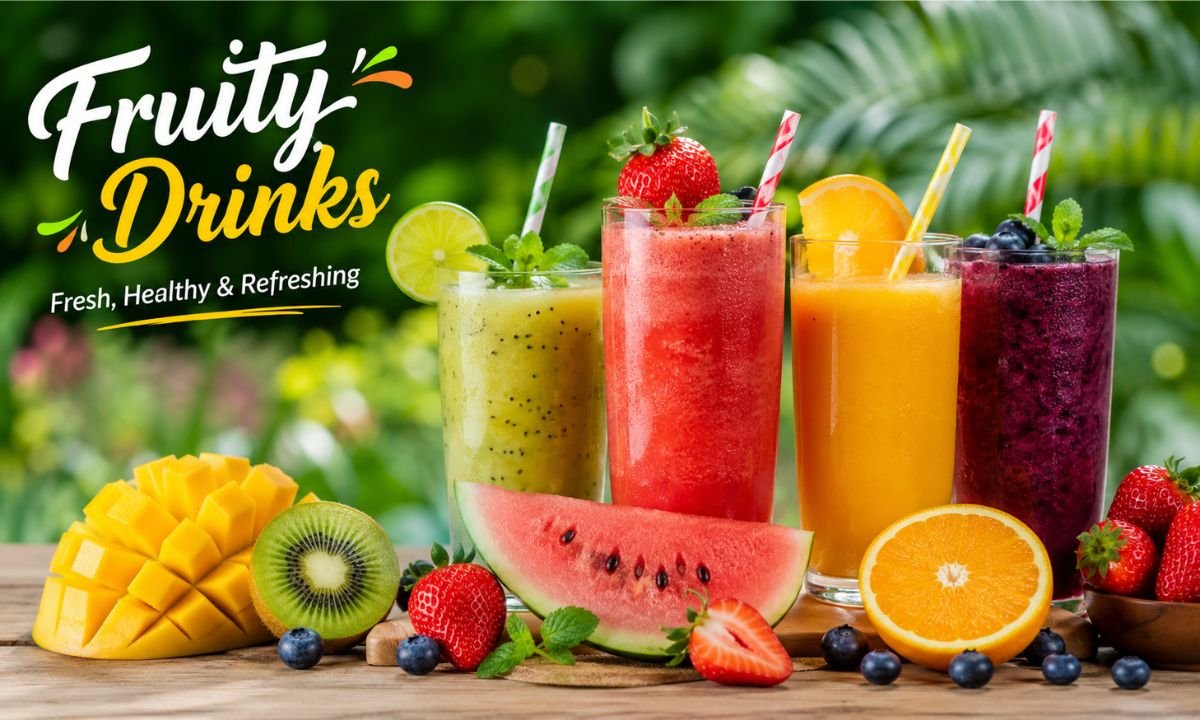
Fruity drinks are beverages made primarily from fruits or fruit flavors. They may contain fresh fruit juice, fruit puree, fruit extracts, or combinations of multiple fruits. Some beverages contain 100% fruit juice, while others include water, herbs, yogurt, or sparkling ingredients to create unique flavor profiles.
These drinks range from naturally healthy options to commercially produced beverages designed for convenience and taste. Their refreshing nature makes them suitable for people of all ages. The widespread appeal of fruit beverages comes from their ability to provide both hydration and flavor. Many people prefer them because they taste better than plain water while offering nutrients naturally found in fruits.
Why Fruity Beverages Are So Popular
Fruit-based drinks have become a major part of modern diets. Their popularity stems from several factors that appeal to consumers worldwide. First, they provide natural sweetness without requiring excessive artificial ingredients. Second, they come in endless flavor combinations that suit different preferences. Third, they can be prepared easily at home using readily available fruits.
Many consumers also associate fruit beverages with healthy living. While not every fruit-flavored drink offers the same nutritional value, fresh and homemade options often contain vitamins, minerals, and antioxidants that support overall wellness. Another reason for their popularity is versatility. They can serve as breakfast beverages, workout refreshments, party drinks, or afternoon energy boosters.
Nutritional Value of Fruit-Based Drinks
The nutritional profile of fruit beverages varies depending on ingredients and preparation methods. Fresh fruit juices often contain vitamin C, potassium, folate, and antioxidants. Smoothies may offer additional fiber when whole fruits are blended instead of juiced. Infused waters provide subtle flavor while maintaining low calorie content. Here is a general overview of common nutrients found in fruit beverages:
| Nutrient | Function in the Body |
| Vitamin C | Supports immune function |
| Potassium | Helps regulate blood pressure |
| Folate | Supports cell growth |
| Antioxidants | Protect cells from damage |
| Natural Sugars | Provide quick energy |
| Water | Maintains hydration |
The nutritional benefits depend largely on the quality and quantity of fruit used in the beverage.
Types of Fruity Drinks
Consumers can choose from a wide range of fruit-based beverages. Each category offers unique flavors and nutritional characteristics.
| Type | Description |
| Fresh Juice | Extracted directly from fruits |
| Smoothies | Blended fruits with yogurt or milk |
| Fruit Punch | Combination of multiple fruit flavors |
| Mocktails | Non-alcoholic fruit beverages |
| Fruit Infused Water | Water flavored with fresh fruits |
| Slushies | Frozen fruit beverages |
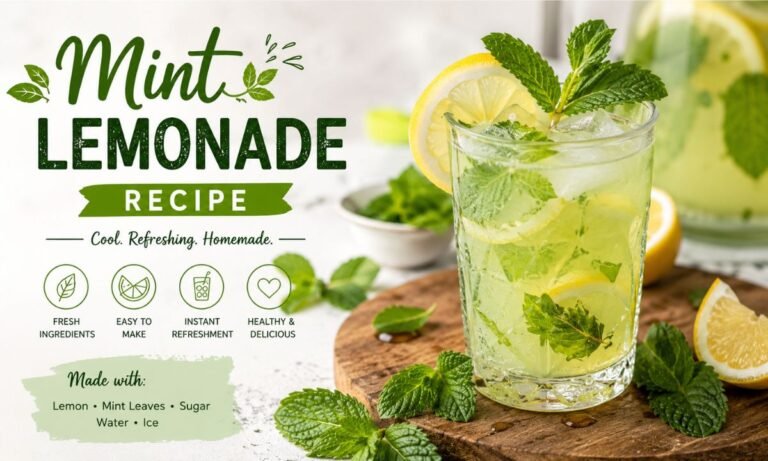
| Lemonades | Citrus-based refreshing drinks |
| Sparkling Fruit Drinks | Carbonated fruit beverages |
| Milkshakes | Fruit blended with milk and ice cream |
| Iced Fruit Teas | Tea mixed with fruit flavors |
Each type serves different preferences and occasions, making fruit beverages one of the most diverse drink categories available today.
Health Benefits of Fruity Drinks
Supports Hydration
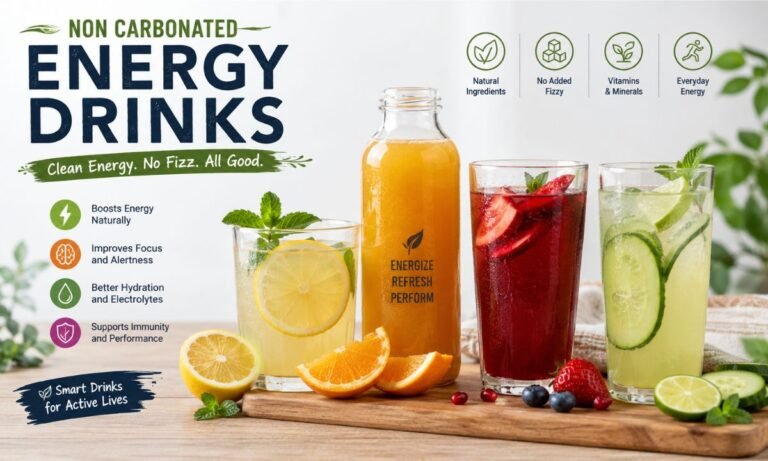
One of the biggest advantages of fruit beverages is their ability to help maintain hydration. Fruits naturally contain water, making these drinks particularly refreshing during hot weather. Proper hydration supports digestion, circulation, temperature regulation, and overall physical performance.
Provides Essential Vitamins
Many fruits contain important vitamins that contribute to overall health. Citrus fruits provide vitamin C, while berries contain antioxidants and other beneficial compounds. Regular consumption of nutrient-rich beverages can complement a balanced diet and support wellness goals.
May Boost Energy Levels
Natural fruit sugars provide quick energy without relying solely on processed sweeteners. This makes fruit beverages useful before exercise or during busy days when additional energy is needed.
Supports Digestive Health
Smoothies prepared with whole fruits often contain dietary fiber. Fiber supports healthy digestion and helps maintain gut health. Using fruits such as apples, pears, and berries can increase fiber content significantly.
Contains Antioxidants
Many fruits contain antioxidants that help combat oxidative stress. Berries, pomegranates, grapes, and citrus fruits are particularly known for their antioxidant content. These compounds support cellular health and contribute to overall well-being.
Popular Fruits Used in Beverages
The flavor and nutritional profile of fruit beverages depend largely on the fruits selected.
Orange
Orange remains one of the most commonly used fruits in beverages. Its sweet and tangy flavor makes it ideal for juices, smoothies, and mocktails.
Mango
Mango delivers rich flavor and natural sweetness. It blends well with yogurt, milk, and tropical fruits.
Strawberry
Strawberries provide vibrant color and refreshing taste. They work exceptionally well in smoothies, lemonades, and infused waters.
Pineapple
Pineapple adds tropical flavor and refreshing sweetness. Many summer beverages feature pineapple as a primary ingredient.
Watermelon
Watermelon contains high water content, making it perfect for hydrating beverages during warm seasons.
Mixed Berries
Blueberries, raspberries, and blackberries contribute antioxidants and complex flavors that enhance smoothies and juices.
How Fruity Drinks Compare to Soft Drinks
Many consumers choose fruit beverages as alternatives to traditional sodas. Soft drinks often contain significant amounts of added sugars and artificial ingredients. In contrast, fresh fruit beverages can provide vitamins, minerals, and natural flavors.
However, consumers should still read labels carefully. Some commercially produced fruit beverages may contain added sugars comparable to soft drinks. Homemade preparations generally provide greater control over ingredients and nutritional quality.
How to Make Fruity Drinks at Home
Preparing homemade beverages allows you to control sweetness, ingredients, and nutritional content.
Homemade Tropical Fruit Drink
Ingredients
- 1 cup pineapple chunks
- 1 mango
- 1 orange
- 1 cup cold water
- Ice cubes
Method
Peel and chop the fruits into small pieces. Add them to a blender with cold water and ice. Blend until smooth. Pour into glasses and serve immediately. This beverage offers a refreshing tropical flavor while providing vitamins and hydration.
Berry Blast Smoothie
Ingredients
- 1 cup strawberries
- ½ cup blueberries
- 1 banana
- 1 cup yogurt
- Ice cubes
Method
Place all ingredients in a blender. Blend until creamy and smooth. Serve chilled for a nutritious breakfast beverage.
Watermelon Refresher
Ingredients
- 2 cups watermelon cubes
- Juice of one lime
- Mint leaves
- Ice cubes
Method
Blend watermelon until smooth. Add lime juice and stir. Pour over ice and garnish with mint leaves. This beverage works exceptionally well during summer because of its high water content.
Tips for Making Better Homemade Fruit Beverages
- Choosing ripe fruits significantly improves flavor. Fresh fruits naturally provide sweetness, reducing the need for added sugar.
- Using frozen fruits creates thicker textures without requiring excessive ice. This technique works especially well for smoothies.
- Combining fruits with herbs such as mint or basil can introduce unique flavor profiles. Citrus fruits also enhance overall freshness.
Experimenting with ingredient combinations allows you to discover personalized beverage recipes.
Best Occasions to Enjoy Fruity Drinks
Fruit beverages fit naturally into numerous situations. They make excellent breakfast companions because they provide hydration and nutrients early in the day. They also work well as post-workout refreshments due to their water and carbohydrate content.
Many families serve fruit beverages during gatherings, birthdays, picnics, and holiday celebrations. Their colorful appearance often enhances event presentations. Children frequently enjoy fruit beverages because of their naturally sweet taste. Parents often appreciate healthier homemade alternatives to heavily processed drinks.
Common Ingredients Added to Fruit Beverages
Many recipes include additional ingredients that improve flavor, texture, or nutritional value.
- Yogurt creates creamy smoothies while increasing protein content. Milk contributes richness and supports smoothie preparation.
- Honey often serves as a natural sweetener when extra sweetness is desired. Mint leaves add freshness and aroma.
- Chia seeds, flaxseeds, and oats can increase nutritional value while creating more filling beverages.
These ingredients allow individuals to customize beverages according to dietary preferences and health goals.
Choosing Healthier Fruity Drinks
Not all fruit beverages offer equal nutritional benefits. Consumers should prioritize beverages made with real fruits rather than artificial flavorings. Checking ingredient labels helps identify added sugars and unnecessary additives. Freshly prepared options generally provide superior nutritional value compared to highly processed alternatives. Selecting beverages with minimal added ingredients supports healthier dietary choices. The healthiest approach often involves preparing beverages at home using fresh, whole fruits.
Future Trends in Fruit Beverages
Consumer interest in wellness continues to shape beverage innovation. Manufacturers increasingly focus on natural ingredients, reduced sugar formulations, and functional benefits. Consumers also show growing interest in plant-based beverages and exotic fruit combinations.
Sustainability has become another important trend. Many companies now seek environmentally friendly packaging and responsibly sourced ingredients. As health awareness grows, demand for nutritious fruit beverages will likely continue expanding across global markets. Besides exploring healthy beverage ideas, many people also enjoy reading about science, travel, culture, and lifestyle through trusted publications like The New York Times.
Conclusion
Fruity drinks remain among the most versatile and enjoyable beverages available today. Their refreshing flavors, vibrant appearance, and potential nutritional benefits make them suitable for virtually every occasion. Whether you prefer fresh juice, smoothies, infused water, or creative mocktails, there are countless ways to enjoy fruit-based beverages.
Preparing fruity drinks at home allows greater control over ingredients while maximizing freshness and nutritional value. By selecting quality fruits and experimenting with different combinations, you can create delicious beverages that support hydration and wellness. As consumers continue seeking healthier alternatives to sugary sodas, fruity drinks will remain a popular choice for families, fitness enthusiasts, and beverage lovers around the world.
Frequently Asked Questions (FAQs)
Q. What are fruity drinks?
Fruity drinks are beverages made from fruits, fruit juices, fruit purees, or fruit flavors, often served chilled for refreshment.
Q. Are fruity drinks healthy?
They can be healthy when made from fresh fruits with minimal added sugar. Homemade options usually provide the best nutritional value.
Q. What is the difference between fruit juice and smoothies?
Fruit juice removes most fiber during extraction, while smoothies blend whole fruits and typically retain fiber.
Q. Can I make fruity drinks without sugar?
Yes. Ripe fruits often provide enough natural sweetness, eliminating the need for added sugar.
Q. Which fruits are best for homemade beverages?
Oranges, mangoes, strawberries, pineapples, watermelons, and berries are among the most popular choices.
Q. How long can homemade fruit beverages be stored?
Most homemade fruit beverages taste best when consumed immediately, but they can generally be refrigerated for up to 24 hours.