Drinks in Spanish A Complete Guide to Popular Beverages
If you are searching for fast food open on christmas, you may also enjoy learning about traditional beverages from Spanish-speaking countries. Drinks are an important part of every culture because they bring people together during family meals, celebrations, and everyday moments. Learning the names of beverages in another language also helps travelers, students, and food lovers communicate with confidence. If you’re interested in authentic Mexican beverages, exploring mezcal drinks is a great way to discover unique flavors and traditional cocktail recipes.
Understanding drinks in spanish is useful whether you are ordering at a restaurant, visiting Spain, exploring Latin America, or expanding your language skills. Spanish is one of the most widely spoken languages in the world, and knowing common drink names can make conversations easier and more enjoyable. In this guide, you will discover the meaning of drinks in Spanish, different beverage categories, their health benefits, homemade recipes, and useful vocabulary that you can use in daily life.
What Does “Drinks” Mean in Spanish?
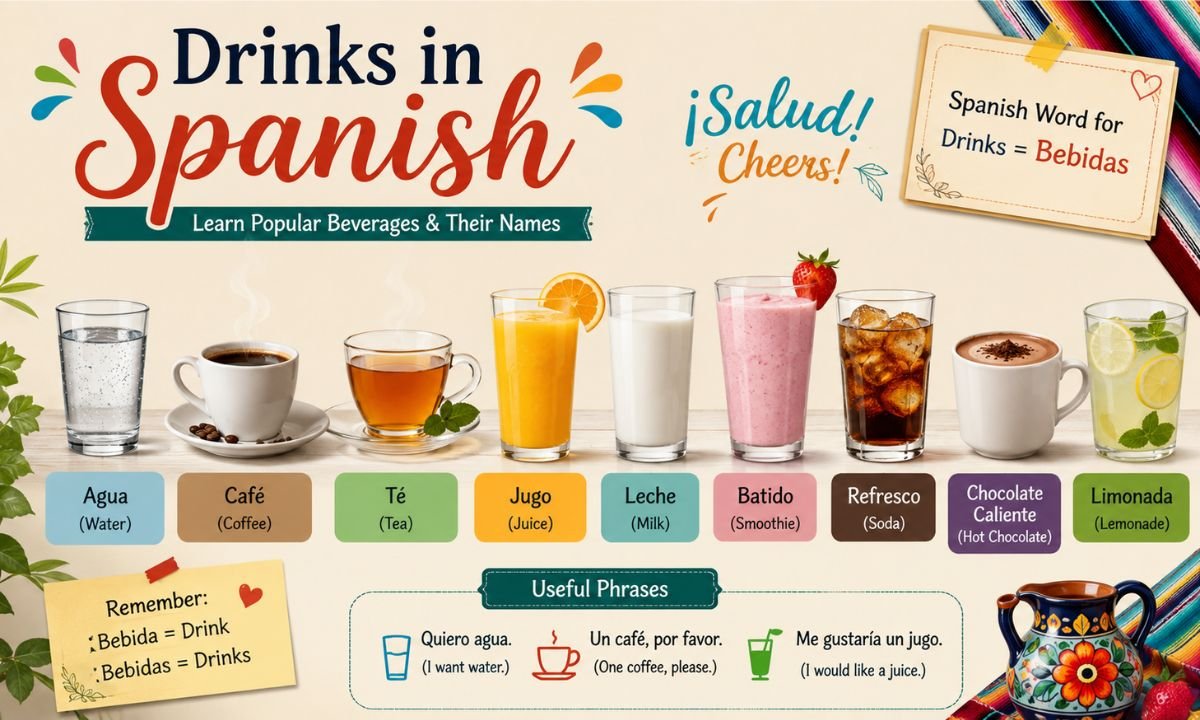
The English word drinks is commonly translated into Spanish as bebidas. This word refers to every type of beverage, including water, juice, coffee, tea, milk, smoothies, soft drinks, and traditional regional beverages.
Here are a few useful examples:
| English | Spanish |
| Drink | Bebida |
| Drinks | Bebidas |
| Water | Agua |
| Coffee | Café |
| Tea | Té |
| Juice | Jugo (Latin America) / Zumo (Spain) |
| Milk | Leche |
| Soda | Refresco |
| Hot Chocolate | Chocolate Caliente |
| Smoothie | Batido |
Learning these words helps beginners communicate naturally in restaurants, cafés, grocery stores, and hotels.
Why Learn Beverage Names in Spanish?
Learning beverage vocabulary is practical because food and drinks are among the first things people talk about while traveling. Knowing drinks in spanish allows you to read restaurant menus with confidence, order beverages correctly, understand recipes written in Spanish, improve your language skills through daily practice, and communicate more comfortably with native speakers. Even if you are only learning Spanish as a hobby, drink names are easy to remember because you use them every day. If you also enjoy exploring reliable educational resources on world cultures, history, and languages, Britannica provides a wealth of informative content for curious learners.
Popular Drinks in Spanish-Speaking Countries
Spanish-speaking countries have a rich variety of beverages. Some are famous worldwide, while others are local favorites enjoyed during festivals and family gatherings.
Agua (Water)
Water is the most important beverage for hydration. Every country encourages drinking enough water throughout the day to support healthy body functions.
Café (Coffee)
Coffee is deeply connected with Spanish culture. Spain, Colombia, Mexico, and many Latin American countries serve delicious coffee in cafés, homes, and workplaces.
Té (Tea)
Tea is becoming increasingly popular across Spanish-speaking countries. Green tea, black tea, herbal tea, and chamomile tea are common choices.
Jugo or Zumo (Fruit Juice)
Fresh fruit juice is widely enjoyed because many Spanish-speaking countries produce tropical fruits throughout the year.
Batido (Smoothie)
Batidos combine fresh fruits with milk or yogurt to create refreshing beverages rich in vitamins.
Horchata
Horchata is a sweet traditional drink made differently depending on the country. Spain often prepares it using tiger nuts, while Mexico commonly uses rice and cinnamon.
Chocolate Caliente
Spanish hot chocolate is famous for its thick texture and rich flavor. Many people enjoy it with churros during breakfast or evening snacks.
Types of Drinks in Spanish
The following table introduces the major categories of beverages and their Spanish names.
| Drink Type | Spanish Name | Description |
| Water | Agua | Essential daily drink for hydration |
| Coffee | Café | Popular hot beverage served worldwide |
| Tea | Té | Made with tea leaves or herbs |
| Juice | Jugo / Zumo | Fresh fruit beverage |
| Milk | Leche | Rich source of calcium |
| Smoothie | Batido | Fruit blended with milk or yogurt |
| Soft Drink | Refresco | Carbonated flavored beverage |
| Hot Chocolate | Chocolate Caliente | Warm chocolate drink |
| Lemonade | Limonada | Refreshing citrus beverage |
| Sports Drink | Bebida Deportiva | Helps replace electrolytes |
Health Benefits of Popular Beverages
Different beverages provide different nutritional advantages when consumed in moderation.
- Water keeps the body hydrated, regulates temperature, and supports digestion.
- Fresh fruit juice contains vitamins, antioxidants, and natural minerals that strengthen immunity.
- Milk supplies calcium, vitamin D, and protein that help maintain healthy bones and muscles.
- Smoothies made with fresh fruits provide fiber, vitamins, and natural energy for busy mornings.
- Green tea contains antioxidants that may support heart health and healthy aging.
- Coffee offers natural caffeine that improves alertness and concentration when consumed responsibly.
- Hot chocolate made with real cocoa provides antioxidants and can improve mood.
How to Make Popular Drinks at Home
Preparing beverages at home allows you to control ingredients while reducing added sugar.
Homemade Fresh Lemonade
Ingredients
- 4 lemons
- 3 cups cold water
- Honey or sugar
- Ice cubes
- Mint leaves
Method
Squeeze fresh lemons into a pitcher. Add cold water and sweetener according to your taste. Stir well until dissolved. Add ice cubes and garnish with fresh mint leaves before serving.
Homemade Fruit Smoothie
Ingredients
- 1 banana
- 1 cup strawberries
- 1 cup milk
- Honey
- Ice
Method
Blend every ingredient until smooth. Pour into a chilled glass and enjoy immediately for maximum freshness.
Homemade Spanish Hot Chocolate
Ingredients
- 2 cups milk
- Cocoa powder
- Dark chocolate
- Sugar
- Cornstarch
Method
Heat the milk over medium heat. Add cocoa, sugar, and chocolate while stirring continuously. Mix cornstarch with a little water before adding it to thicken the drink. Continue stirring until smooth.
Homemade Horchata
Ingredients
- Rice
- Cinnamon stick
- Water
- Milk
- Sugar
- Vanilla
Method
Soak rice and cinnamon overnight. Blend the mixture with fresh water, strain it, then add milk, vanilla, and sugar. Chill before serving.
Traditional Beverage Culture in Spanish-Speaking Countries
Every Spanish-speaking country has unique traditions surrounding beverages. Families often gather over coffee during the morning, while fruit juices accompany lunch and fresh lemonade refreshes people during warm afternoons. In Spain, cafés are important meeting places where friends enjoy coffee while socializing.
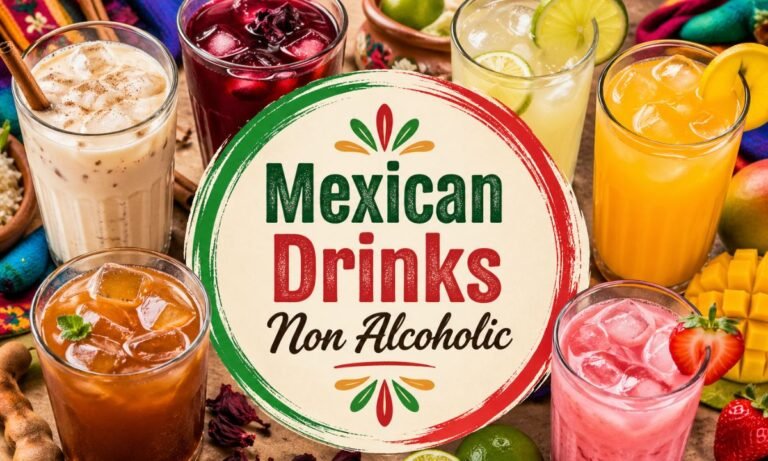
In Mexico, fresh fruit drinks called “aguas frescas” remain popular throughout the year because they are refreshing and flavorful. Many Latin American celebrations include homemade drinks prepared using seasonal fruits, herbs, spices, and family recipes passed from generation to generation.
Tips for Ordering Drinks in Spanish
Knowing a few simple phrases can improve your travel experience.
You can say:
- Quiero agua. (I want water.)
- Un café, por favor. (One coffee, please.)
- ¿Tiene jugo de naranja? (Do you have orange juice?)
- Me gustaría un té. (I would like a tea.)
- Gracias. (Thank you.)
These simple expressions help beginners communicate politely.
Common Mistakes Beginners Make
Many learners confuse “jugo” and “zumo.” Both mean juice, but Spain usually says zumo, while most Latin American countries prefer jugo. Another common mistake is assuming every coffee drink has the same name everywhere. Regional differences exist, so pronunciation and local customs may vary slightly. Learning these small differences makes conversations more natural and enjoyable.
Why Spanish Beverage Vocabulary Is Useful
Spanish is spoken by hundreds of millions of people across the world. Learning common beverage names improves travel experiences, restaurant conversations, cultural understanding, and language confidence. Whether you visit Spain, Mexico, Argentina, Colombia, Peru, or another Spanish-speaking country, knowing drink names helps you order exactly what you want while appreciating local traditions.
Mastering drinks in spanish also supports students learning vocabulary because food and beverages are among the easiest topics to practice every day.
Conclusion
Learning drinks in spanish is more than memorizing vocabulary. It opens the door to understanding Spanish culture, enjoying authentic food experiences, and communicating confidently with native speakers. From refreshing fruit juices and creamy smoothies to traditional horchata and rich hot chocolate, Spanish-speaking countries offer an impressive variety of beverages.
Making these drinks at home is simple, affordable, and enjoyable. With fresh ingredients and easy recipes, you can experience authentic flavors while expanding your Spanish vocabulary at the same time. Whether your goal is travel, education, or personal interest, learning beverage names is a practical step toward speaking Spanish more naturally.
Frequently Asked Questions
Q. What is the Spanish word for drinks?
The Spanish word for drinks is bebidas.
Q. What is juice called in Spanish?
Juice is called jugo in most Latin American countries and zumo in Spain.
Q. What is the most popular drink in Spain?
Coffee, mineral water, fresh juice, and hot chocolate are among the most popular beverages.
Q. Can I make traditional Spanish drinks at home?
Yes. Lemonade, horchata, smoothies, and hot chocolate are easy to prepare using simple ingredients.
Q. Why should I learn drink names in Spanish?
Learning drink names helps you travel confidently, order food easily, improve your vocabulary, and communicate with native speakers.
Q. Are traditional Spanish beverages healthy?
Many traditional beverages such as water, fresh juice, smoothies, and herbal teas provide vitamins, hydration, and other nutritional benefits when prepared with natural ingredients.