
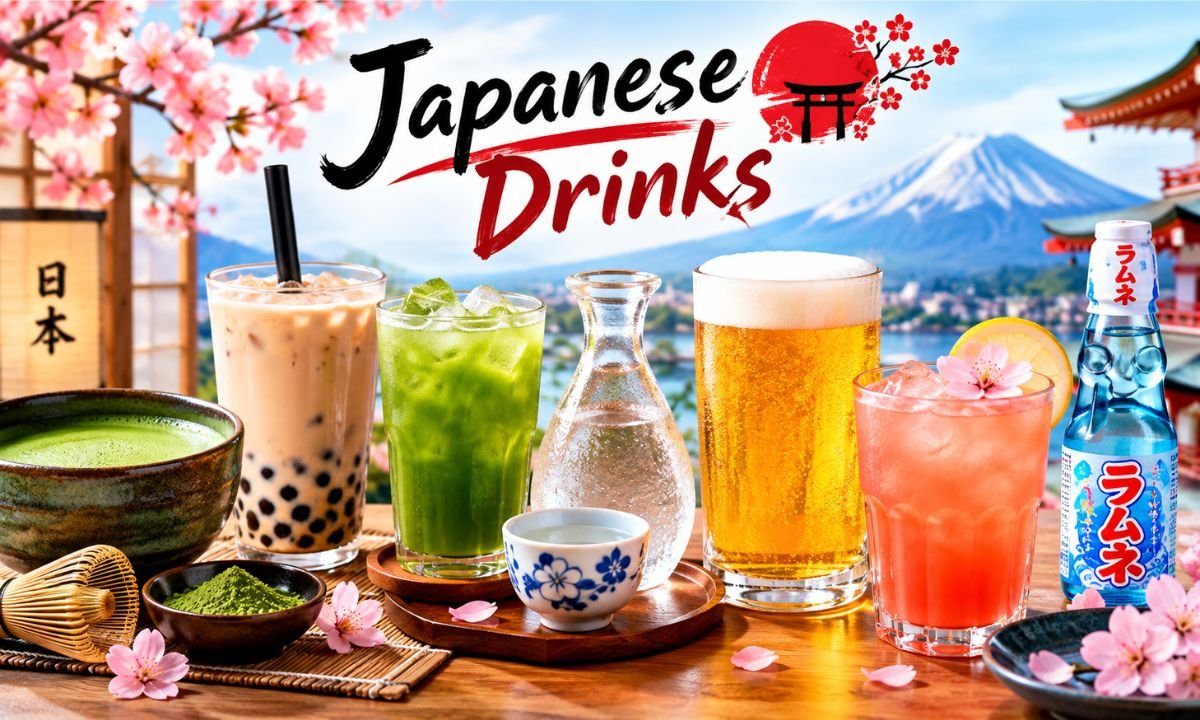
Japanese Drinks 10 Popular Traditional and Modern Beverages
If you enjoy exploring fruity alcoholic drinks and refreshing beverages from around the world, Japanese drinks offer a wonderful variety of flavors to discover. Japan is famous for its traditional green tea, sweet fruit beverages, fizzy sodas, creamy milk drinks, and unique coffee creations. Some drinks have a long history, while others have become popular favorites among young people and travelers.
Japanese beverages reflect the country’s food culture, seasonal traditions, and love of carefully balanced flavors. Whether you prefer something sweet, citrusy, creamy, or naturally refreshing, there is a Japanese drink worth trying. In this guide, you will discover popular varieties, their ingredients, how people enjoy them, and how to make a few simple versions at home.
What Are Japanese Drinks?
Japanese drinks are beverages that originated in Japan or became an important part of Japanese food culture. They include both traditional options, such as matcha tea and sake, and modern favorites, such as Ramune soda and canned coffee.
Many Japanese beverages use ingredients such as green tea, roasted barley, rice, citrus fruits, and fermented milk. Some taste mild and earthy, while others are sweet, fruity, or sparkling.
People in Japan enjoy different drinks throughout the day. They may drink green tea with meals, buy canned coffee during a busy morning, or choose a cold barley tea on a hot summer afternoon. Seasonal beverages are also popular, with special flavors appearing during spring, summer, autumn, and winter.
1. Matcha: Japan’s Famous Green Tea
Matcha is one of Japan’s best-known traditional beverages. It comes from specially grown green tea leaves that producers process into a fine powder. Instead of steeping and removing the leaves, people whisk the powder directly into hot water.
Traditional matcha has a rich green color and an earthy flavor. It can taste slightly bitter, with a smooth finish when prepared correctly. Many people enjoy it during Japanese tea ceremonies, which focus on careful preparation and appreciation of the moment.
Matcha has also become popular in modern cafés. Baristas combine it with steamed milk, ice, or sweeteners to create matcha lattes. Some cafés add vanilla or strawberry flavors for a sweeter drink.
Matcha contains caffeine, so it can help people feel more alert. However, its caffeine content varies according to the amount of powder used and the serving size.
2. Ramune: A Classic Japanese Soda
Ramune is a popular Japanese soft drink known for its unusual glass bottle. The bottle traditionally uses a marble stopper that keeps the carbonation inside until someone opens it.
Classic Ramune has a sweet, citrus-like flavor and a refreshing fizzy texture. Today, manufacturers offer many varieties, including strawberry, melon, grape, and other fruit-inspired flavors.
People often associate Ramune with summer festivals, street food stalls, and childhood memories. Its colorful packaging and distinctive bottle make it popular with tourists who want to try something different.
You can serve Ramune chilled on its own or enjoy it alongside Japanese snacks. If you like sparkling drinks, this is an easy option to try.
3. Calpis: A Sweet and Tangy Milk Drink
Calpis, also sold as Calpico in some international markets, is a well-known Japanese cultured milk beverage. It has a pale appearance and a sweet, slightly tangy flavor that many people compare to yogurt.
The original concentrate can be mixed with water to create a still drink. People also combine it with sparkling water for a fizzy version. Other varieties feature fruit flavors such as peach, grape, and strawberry.
Calpis is especially appealing to people who prefer creamy drinks without the thickness of a milkshake. Its sweet-and-sour taste makes it different from ordinary fruit juice or soda.
When buying Calpis, check the label for sugar content and ingredients, especially if you want a lighter option or need to avoid dairy.
4. Mugicha: Refreshing Roasted Barley Tea
Mugicha is a traditional Japanese barley tea that people commonly enjoy cold during warm weather. Producers make it by roasting barley and steeping it in water.
Unlike green tea, mugicha is naturally caffeine-free when prepared from pure roasted barley. It has a mild, toasted flavor that is easy to enjoy with everyday meals.
Many Japanese households prepare a large jug of mugicha and keep it in the refrigerator. It provides a refreshing alternative to sugary soft drinks and flavored juices.
You can make mugicha at home by steeping roasted barley tea bags in hot water according to the package directions. Let the tea cool, refrigerate it, and serve it over ice.
People with celiac disease or gluten sensitivity should check product labels carefully because barley contains gluten.
5. Hojicha: Warm and Roasted Japanese Tea
Hojicha is another popular Japanese tea, but it tastes different from many green teas. Producers roast the tea leaves at high temperatures, creating a warm, nutty aroma and a slightly smoky flavor.
Roasting gives hojicha its characteristic brown color. Its flavor is generally mild and less grassy than that of many unroasted green teas.
People often drink hojicha after meals or during quiet moments at home. Cafés also use it to make iced teas, lattes, and desserts.
Hojicha usually contains less caffeine than many other green teas, although the exact amount depends on the leaves and brewing method. It is a good choice for people who prefer roasted flavors over strong bitterness.
6. Yuzu Drinks: A Citrus Favorite
Yuzu is an aromatic citrus fruit used widely in Japanese cooking and beverages. Its flavor combines bright citrus notes with a fragrant aroma that differs from ordinary lemon or orange.
Yuzu drinks come in several forms, including sparkling sodas, sweetened citrus teas, juices, and concentrated syrups. Some beverages combine yuzu with honey to balance its tart flavor.
Yuzu soda is especially refreshing when served cold. To prepare a simple homemade version, mix a small amount of yuzu juice or syrup with sparkling water and ice. Adjust the sweetness to your taste.
Yuzu beverages are a great choice for people who enjoy tangy drinks. However, packaged varieties can contain added sugar, so checking the nutrition label can help you choose a suitable option.
7. Japanese Canned Coffee
Japan has a strong canned coffee culture. Vending machines, convenience stores, and supermarkets sell ready-to-drink coffee in cans and bottles.
You can find black coffee, sweetened coffee, and creamy milk coffee. Some vending machines even offer hot cans during colder months.
Japanese canned coffee suits busy people who want a quick drink without visiting a café. Brands also release limited-edition flavors and seasonal products, making the selection interesting for coffee lovers.
If you prefer a less sweet beverage, choose unsweetened black coffee. Those who enjoy a smoother taste may prefer milk coffee. Always check the label because sugar, milk, and caffeine levels differ by product.
8. Amazake: A Traditional Rice Beverage
Amazake is a traditional Japanese rice drink with a naturally sweet taste. Producers often make it using rice and koji, a culture used in Japanese fermentation.
Depending on the recipe, amazake can have a thick, creamy texture or a lighter consistency. People often enjoy it warm during winter, although chilled versions are also available.
Some amazake contains little or no alcohol, while other traditional versions may contain alcohol. The ingredients and production method determine the final result, so read the label if alcohol content matters to you.
Amazake can also be used in smoothies and desserts. Its sweetness makes it a distinctive alternative to ordinary sweetened beverages.
9. Sake: Traditional Japanese Rice Wine
Sake is a traditional Japanese alcoholic beverage made by fermenting rice with water, yeast, and koji. Although people sometimes call it rice wine, its brewing process differs from the process used to make grape wine.
Sake comes in several styles, and each can offer different aromas and flavors. Some varieties taste light and clean, while others have fruity, floral, or richer notes.
People serve sake chilled, at room temperature, or warm, depending on the style and personal preference. It is often enjoyed with Japanese dishes such as sushi, grilled fish, and other savory foods.
Sake contains alcohol, so adults who choose to drink it should do so responsibly. People who avoid alcohol can explore Japan’s many traditional teas and non-alcoholic beverages instead.
10. Umeshu: Sweet Japanese Plum Liqueur
Umeshu is a Japanese alcoholic drink made by steeping ume fruit in alcohol and sugar. Although people often call ume Japanese plums, the fruit is closely related to apricots.
Umeshu usually has a sweet-and-sour taste with fruity aromas. Its smooth flavor makes it popular among people who prefer sweeter alcoholic beverages.
People commonly serve umeshu over ice, mix it with sparkling water, or enjoy it chilled. Its fruity character makes it an interesting option for anyone exploring different styles of fruit-based alcoholic drinks.
The alcohol content and sweetness vary between brands and homemade recipes. Check the label before drinking, and remember that a sweet flavor does not mean a beverage contains little alcohol.
A Quick Comparison of Popular Japanese Beverages
The following table compares several well-known drinks by flavor, main ingredients, and whether they contain caffeine or alcohol.
| Drink | Main ingredients | Flavor | Caffeine or alcohol |
| Matcha | Green tea powder, water | Earthy, slightly bitter | Caffeine |
| Ramune | Carbonated water, flavorings, sweetener | Sweet and fizzy | Usually neither |
| Calpis | Cultured milk ingredients, water | Creamy and tangy | Usually neither |
| Mugicha | Roasted barley, water | Toasted and mild | Naturally caffeine-free |
| Hojicha | Roasted tea leaves, water | Nutty and smoky | Contains caffeine |
| Yuzu soda | Yuzu, sparkling water | Citrus and tangy | Usually neither |
| Canned coffee | Coffee, sometimes milk and sugar | Rich and roasted | Usually caffeine |
| Amazake | Rice and koji, depending on style | Sweet and mild | Depends on preparation |
| Sake | Rice, water, yeast, koji | Varies by style | Alcohol |
| Umeshu | Ume fruit, sugar, alcohol | Sweet and fruity | Alcohol |
How to Make Japanese Drinks at Home
You do not need special equipment to enjoy some Japanese-inspired beverages at home. A few simple ingredients can help you recreate refreshing flavors.
Easy Matcha Latte
Mix one teaspoon of matcha powder with a small amount of warm water. Whisk until smooth, then add warm or cold milk. Sweeten lightly if desired. Avoid using boiling water because it can make the tea taste more bitter.
Homemade Yuzu Soda
Add yuzu juice or yuzu syrup to a glass filled with ice. Pour in sparkling water, stir gently, and taste. Add a little honey or another sweetener if you prefer a softer citrus flavor.
Refreshing Barley Tea
Prepare roasted barley tea according to the package directions. Allow it to cool, then refrigerate it. Serve it over ice for a simple, caffeine-free drink made from pure barley.
Calpis-Style Refreshment
If Calpis concentrate is available, mix it with water using the instructions on the bottle. For a sparkling version, replace some or all of the still water with chilled sparkling water. Keep the drink refrigerated and follow the product’s storage instructions.
Are Japanese Drinks Healthy?
The nutritional value of Japanese beverages depends on their ingredients and serving sizes. Unsweetened green tea and pure barley tea can be useful choices for people who want to avoid added sugar. They also provide variety without requiring sugary syrups or creamy toppings.
However, sweetened sodas, flavored milk drinks, canned coffees, and fruit syrups may contain considerable added sugar. Reading nutrition labels can help you understand what you are drinking.
Matcha, green tea, and coffee contain caffeine, which may affect sleep or cause discomfort in sensitive people. Alcoholic beverages such as sake and umeshu carry health risks, even when they taste mild or sweet.
The best choice depends on your taste, dietary needs, and personal preferences. Water should remain your main source of hydration, while other beverages can add variety to your routine.
Choosing beverages with less added sugar can help you make informed decisions about your daily drinks. The CDC offers helpful guidance on healthier drink choices, including water, tea, and other beverages.
Where Can You Find Japanese Drinks?
You can find Japanese beverages in Japanese grocery stores, Asian supermarkets, specialty tea shops, and some larger supermarkets. International online retailers may also stock imported drinks, although availability depends on your location.
In Japan, convenience stores and vending machines offer a wide selection of bottled teas, canned coffees, sodas, and seasonal drinks. Restaurants and cafés often serve matcha, hojicha, and other tea-based beverages.
When shopping online, check the bottle size, ingredients, expiration date, and shipping conditions. Imported drinks may cost more because of packaging, shipping, and local taxes.
Frequently Asked Questions
What is the most popular Japanese drink?
Green tea is one of Japan’s most important traditional beverages. Matcha, bottled green tea, Ramune, Calpis, and canned coffee are also widely recognized and enjoyed.
What Japanese drinks are non-alcoholic?
Popular non-alcoholic options include matcha, hojicha, mugicha, Ramune, Calpis, yuzu soda, and many types of canned coffee. Always check labels because recipes can vary.
Which Japanese drink is best for summer?
Mugicha, Ramune, and chilled yuzu soda are refreshing summer choices. Mugicha is especially useful for people looking for a drink without caffeine or added sugar, provided they choose a suitable unsweetened product.
Are Japanese drinks sweet?
Some are sweet, including Ramune, Calpis, and umeshu. Others, such as unsweetened matcha, hojicha, and mugicha, offer earthy or roasted flavors without added sweetness.
Can you make Japanese drinks at home?
Yes. You can prepare matcha lattes, barley tea, and yuzu soda with a few ingredients. Packaged concentrates and tea bags can make the process even easier.
Final Thoughts
Japan offers a wide range of beverages, from traditional teas to modern sodas and distinctive rice-based drinks. Each has its own flavor, ingredients, and place in everyday life. Matcha and hojicha appeal to tea lovers, Ramune and Calpis offer sweet refreshments, and yuzu drinks bring a bright citrus taste.
Exploring japanese drinks is an easy way to discover more about Japanese food culture. Start with a simple tea or sparkling soda, then try other varieties as you discover the flavors you enjoy most.





One Comment