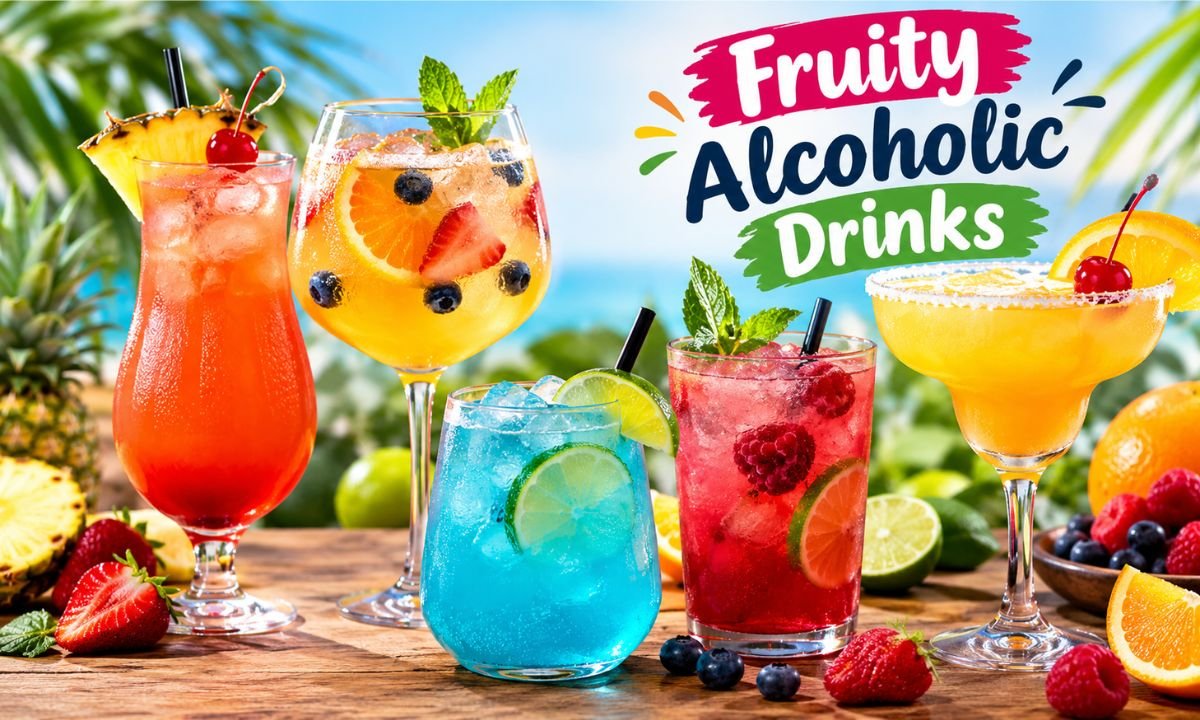
Fruity Alcoholic Drinks Popular Flavors, Ingredients & Easy Drink Ideas
If you enjoy refreshing beverages with sweet and tangy flavors, fruity drinks can offer plenty of variety. Just as people look forward to seasonal beverages such as starbucks christmas drinks, fruit-based cocktails attract attention for their colorful appearance, fresh ingredients, and tropical taste. They can feature strawberries, mangoes, pineapples, oranges, peaches, and many other fruits.
Fruity cocktails come in many styles. Some are sweet and creamy, while others taste light, sour, or sparkling. The ingredients and preparation methods also vary depending on the drink. Understanding these differences can help you explore classic cocktail recipes and discover flavors that suit your preferences.
This guide explains popular fruit cocktails, their main ingredients, flavor profiles, serving styles, and useful tips for enjoying them responsibly.
What Are Fruity Alcoholic Drinks?
Fruity alcoholic drinks are beverages that combine an alcoholic ingredient with fruit juice, fresh fruit, fruit purée, or fruit-flavored liqueurs. Bartenders often use vodka, rum, tequila, gin, or sparkling wine as the alcoholic base.
These beverages are popular because fruit adds natural sweetness, acidity, aroma, and color. For example, pineapple creates a tropical taste, strawberries provide a sweet berry flavor, and lemons or limes add a refreshing sour note.
Some cocktails contain only a few ingredients, while others combine several fruits, syrups, and mixers. Their alcohol content also varies. A drink made with a small amount of spirits may contain less alcohol than a cocktail made with multiple alcoholic ingredients.
It is important to remember that a sweet taste does not mean a drink is weak. Fruit juice and sugar can hide the flavor of alcohol without reducing its effects.
10 Popular Fruity Alcoholic Drinks to Know
Different cocktails offer different combinations of fruit, sweetness, acidity, and texture. The following options are well-known examples of fruit-based alcoholic beverages.
1. Strawberry Daiquiri
The strawberry daiquiri is a popular cocktail for people who enjoy berry flavors. Traditional versions combine rum, lime juice, and sugar. Strawberry versions add fresh strawberries or strawberry purée.
Bartenders often blend these ingredients with ice to create a frozen drink. The result has a bright red color and a smooth texture.
Strawberries provide sweetness, while lime juice adds a slightly sour taste. The balance depends on the ripeness of the fruit and the amount of sweetener used.
2. Piña Colada
The piña colada is a classic tropical cocktail associated with pineapple and coconut. Its traditional ingredients include rum, pineapple juice, and coconut cream.
The pineapple gives the drink a sweet and tangy flavor. Coconut cream adds richness and a smooth texture. Many versions use crushed ice or blend the ingredients until creamy.
This cocktail is often served in a tall glass and decorated with a pineapple wedge. Because it contains creamy ingredients, it may provide more calories than a simple spirit-and-soda drink.
3. Mango Margarita
A mango margarita combines the tropical flavor of mango with the citrus notes found in a margarita. Common ingredients include tequila, lime juice, mango purée, and orange liqueur.
Ripe mango gives the cocktail a thick texture and natural sweetness. Lime juice balances that sweetness and adds freshness.
Some recipes serve the drink over ice, while others blend it into a frozen mixture. A salt rim is optional, depending on the desired flavor.
4. Mimosa
A mimosa is a simple sparkling cocktail traditionally made with orange juice and Champagne or another sparkling wine.
Its flavor is bright, citrusy, and lightly sweet. The bubbles give it a lighter texture than many creamy or blended cocktails.
People often associate mimosas with brunch and special occasions. However, sparkling wine still contains alcohol, even when mixed with a generous amount of orange juice.
5. Peach Bellini
The peach Bellini originated in Venice, Italy. Its classic preparation combines peach purée with Prosecco, an Italian sparkling wine.
The drink has a soft peach flavor, a delicate aroma, and gentle bubbles. Ripe peaches create a naturally sweet taste, so some recipes need little or no extra sugar.
A Bellini is usually served in a champagne flute. Its simple ingredient list makes it a recognizable choice for people who enjoy fruit-forward sparkling cocktails.
6. Blue Hawaiian
The Blue Hawaiian stands out because of its bright blue color. Common ingredients include rum, blue curaçao, pineapple juice, and coconut cream.
Pineapple contributes tropical sweetness, while coconut cream creates a smooth texture. Blue curaçao supplies an orange-like citrus flavor along with the drink’s distinctive color.
Although it looks different from many traditional cocktails, its main flavor profile remains tropical and sweet. Recipes vary, so the ingredients and alcohol strength may differ between bars.
7. Watermelon Vodka Cocktail
Watermelon cocktails are known for their fresh, light fruit flavor. A common version combines watermelon juice, vodka, lime juice, and ice.
Fresh watermelon contains a high amount of water, which makes it useful for creating a refreshing beverage. Lime juice adds acidity and helps balance the sweetness.
Some recipes include mint leaves for an herbal aroma. Others use sparkling water to add bubbles. These mixers change the flavor and texture, but they do not remove the alcohol already present.
8. Passion Fruit Martini
The passion fruit martini, sometimes called a pornstar martini, is a fruit-forward cocktail made with ingredients such as vodka, passion fruit purée, vanilla syrup, and lime juice.
Passion fruit has a distinctive tropical aroma and a sweet-tart taste. Vanilla syrup softens its acidity, while lime adds brightness.
Many bars serve this cocktail in a martini-style glass with a passion fruit garnish. Some versions also include sparkling wine as a separate serving, which can increase the total alcohol consumed.
9. Sangria
Sangria is a fruit-based beverage traditionally associated with Spain and Portugal. Red wine is a common base, although white wine and sparkling variations also exist.
Recipes often include oranges, apples, lemons, and other seasonal fruits. Some versions use brandy, fruit juice, soda water, or a small amount of sweetener.
The fruit adds aroma and flavor as the ingredients sit together. However, fruit soaked in an alcoholic mixture may also contain alcohol, so it should not be treated like ordinary fresh fruit.
10. Sea Breeze
The Sea Breeze is a refreshing cocktail that typically combines vodka, cranberry juice, and grapefruit juice.
Cranberry contributes a tart berry flavor, while grapefruit provides citrus bitterness. Together, these ingredients create a less creamy and often less sweet taste than tropical cocktails.
The drink is commonly served over ice in a tall glass. Its pinkish-red color comes mainly from the cranberry juice.
Fruity Alcoholic Drinks: Ingredients and Flavor Comparison
The best way to understand different cocktails is to compare their main ingredients and overall taste.
| Drink | Main fruit flavors | Typical alcoholic base | Flavor profile |
| Strawberry Daiquiri | Strawberry, lime | Rum | Sweet and tangy |
| Piña Colada | Pineapple, coconut | Rum | Creamy and tropical |
| Mango Margarita | Mango, lime | Tequila | Sweet and citrusy |
| Mimosa | Orange | Sparkling wine | Bright and bubbly |
| Peach Bellini | Peach | Prosecco | Light and fruity |
| Blue Hawaiian | Pineapple, orange, coconut | Rum | Tropical and sweet |
| Watermelon Cocktail | Watermelon, lime | Vodka | Fresh and light |
| Passion Fruit Martini | Passion fruit, lime | Vodka | Aromatic and tart |
| Sangria | Mixed fruits | Wine | Fruity and varied |
| Sea Breeze | Cranberry, grapefruit | Vodka | Tart and citrusy |
These flavor descriptions are general guides rather than fixed rules. A bartender may adjust a recipe by changing the fruit, sweetener, mixer, or amount of alcohol.
How to Make Fruity Cocktails at Home
Making fruit-based cocktails involves choosing suitable ingredients and balancing their flavors. Fresh fruit can improve aroma and texture, but frozen fruit and unsweetened juice can also work well.
Start by selecting a fruit that matches the flavor you want. Strawberries and ripe mangoes provide sweetness, while lemons, limes, and grapefruit offer stronger acidity. Pineapple works well with coconut, and watermelon pairs nicely with mint.
Next, consider the alcoholic base. Rum often appears in tropical cocktails, vodka has a relatively neutral flavor, and tequila complements citrus and mango. Wine and sparkling wine create a different style of drink.
Use sweeteners carefully. Simple syrup, honey, and flavored syrups can make a drink sweeter, but fruit already contains natural sugars. Add a small amount at a time when preparing a recipe.
Ice also affects the result. Blended ice creates a frozen texture, while larger ice cubes chill a drink more slowly. Sparkling mixers should generally be added near the end to preserve their bubbles.
Always measure alcoholic ingredients rather than pouring them freely. Accurate measurements help maintain consistent flavor and make it easier to understand how much alcohol a drink contains.
Are Fruity Cocktails Always Sweet?
No. Although many fruit cocktails taste sweet, others are sour, bitter, or balanced.
A strawberry daiquiri may taste sweet because strawberries and syrup soften the sharpness of lime juice. A Sea Breeze, on the other hand, can taste more tart because cranberry and grapefruit provide acidity and bitterness.
The amount of sugar also depends on the recipe. A cocktail made with fresh fruit and unsweetened juice may contain less added sugar than one prepared with sweetened mixers or flavored syrup.
If you prefer less sweetness, choose recipes with citrus juice, fresh fruit, and unsweetened mixers. Remember that reducing sugar does not reduce the alcohol content unless the alcoholic ingredients also change.
Nutrition and Alcohol Content
The nutritional value of a cocktail depends on its ingredients, serving size, and preparation method.
Fruit juice provides some vitamins and minerals, but it also contains natural sugar. Syrups, sweetened mixers, coconut cream, and other additions can increase the drink’s calorie content.
Creamy cocktails such as piña coladas may contain more calories than simpler drinks made with spirits and soda water. However, the exact amount depends on the recipe and portion size.
Alcohol content varies as well. A cocktail containing several spirits may contain more alcohol than one made with a smaller measured serving. Large glasses can also hold more than one standard drink.
No fruit ingredient cancels out alcohol’s effects. Alcohol can affect judgment, coordination, and reaction time. People who drink should avoid driving and operating machinery. Anyone who is pregnant, taking medicines that interact with alcohol, or advised to avoid alcohol should choose an alcohol-free alternative.
Alcohol-Free Alternatives With Fruity Flavors
You do not need alcohol to enjoy colorful fruit beverages. Mocktails use similar ingredients but replace spirits and wine with nonalcoholic alternatives.
A strawberry-lime mocktail can combine blended strawberries, lime juice, and sparkling water. For a tropical option, mix pineapple juice with coconut milk or coconut cream and crushed ice.
Mango purée, fresh mint, orange juice, and lemon juice can also create flavorful combinations. Use unsweetened sparkling water when you want bubbles without adding extra sugar.
When buying bottled or ready-made beverages, check the label carefully. Some products described as nonalcoholic may contain trace amounts of alcohol, depending on the product and local labeling rules.
Tips for Choosing a Fruity Cocktail
Choose a cocktail based on the flavors and texture you enjoy rather than its color alone.
If you like sweet tropical flavors, pineapple, coconut, and mango are common choices. If you prefer something light and bubbly, a Bellini or mimosa may suit your taste. People who enjoy tart flavors may prefer a Sea Breeze or a passion fruit cocktail.
You should also consider serving size, sugar content, and alcohol strength. Ask the bartender about ingredients when a menu does not provide enough detail. If you want the flavor without the alcohol, request a mocktail made with the same fruit ingredients.
Conclusion
Fruity cocktails combine fruit flavors with different alcoholic bases to create a wide range of beverages. Strawberry daiquiris, piña coladas, mango margaritas, mimosas, and sangria each offer a distinct taste, texture, and serving style.
Learning about the ingredients makes it easier to understand why some drinks taste sweet and creamy while others are tart, citrusy, or sparkling. Fresh fruit, balanced flavors, and careful measurements can all improve the result.
Whether you are exploring classic cocktail styles or looking for fruit-inspired mocktails, there are many ways to enjoy these flavors. Always remember that sweetness does not indicate alcohol strength, and choose responsibly.
Along with exploring different beverage flavors, readers can learn more about healthy lifestyle tips to make informed decisions about their well-being.

One Comment