Are Alani Drinks Bad for You? Ultimate Risks & Benefits
If you are looking for fast food open on christmas while planning your holiday meals, you may also be wondering which popular beverages fit into a balanced lifestyle. Alani Nu drinks have become popular because of their colorful cans, fruity flavors, low calorie counts, and energy-boosting caffeine. But are they actually good for you? As people become more interested in fitness, energy, and workout nutrition, they may also have questions about other supplements and beverages, such as can you put creatine in hot drinks.
The answer depends on how often you drink them, how much caffeine you consume from other sources, and how your body responds to caffeine. Alani Nu energy drinks generally contain around 200 mg of caffeine per 12-ounce can, along with zero sugar in many varieties. That amount can provide an energy boost, but it also means you need to pay attention to your total daily caffeine intake. In this guide, we will look at Alani Nu drinks, their ingredients, potential benefits, possible drawbacks, different types, and ways to make a simple homemade alternative.
What Are Alani Nu Drinks?
Alani Nu is a wellness and beverage brand known for energy drinks, pre-workout products, protein beverages, supplements, and other fitness-focused products. Alani Nu energy drinks are carbonated beverages designed to provide an energy boost. Most of the brand’s popular energy drinks come in 12-ounce cans and contain approximately 200 mg of caffeine per can. The company also markets them as sugar-free or zero-sugar beverages, depending on the specific product.
For example, several current Alani Nu energy drink varieties provide 200 mg of caffeine and zero grams of sugar per 12-ounce can. They also contain ingredients such as taurine, L-theanine, L-carnitine, guarana extract, B vitamins, artificial or natural flavors, and sweeteners such as sucralose and acesulfame potassium. Because formulas can change between products, checking the nutrition label on the specific can is always important.
Are Alani Drinks Bad for You?
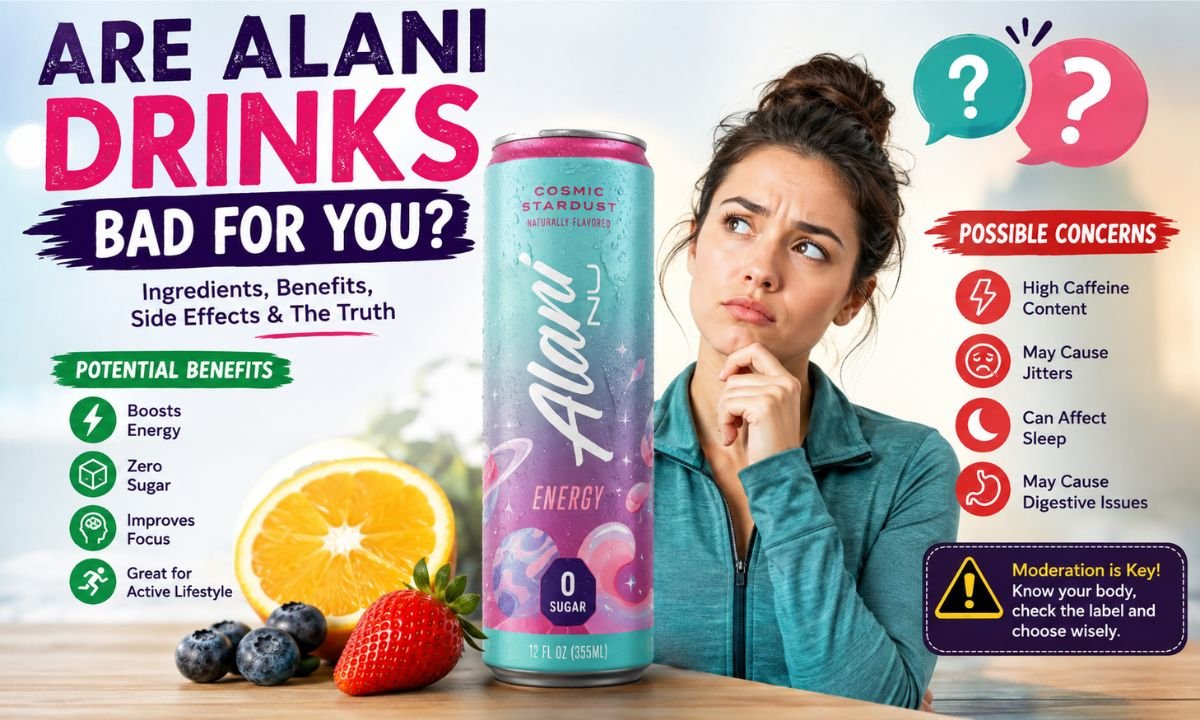
So, are Alani drinks bad for you? Not necessarily for every healthy adult, but they are not beverages that everyone should consume freely. The main concern is their caffeine content. A single 12-ounce Alani Nu energy drink can provide 200 mg of caffeine. The FDA says that up to 400 mg of caffeine per day is an amount not generally associated with negative effects for most healthy adults. However, individual sensitivity varies considerably.
This means one Alani Nu can use up about half of that general daily amount before you count caffeine from coffee, tea, soda, chocolate, pre-workout supplements, or other energy products. For someone who drinks coffee in the morning and an Alani Nu later in the day, total caffeine can quickly become much higher than expected.
Alani Drinks Nutrition Facts
One reason these drinks attract attention is their relatively low calorie and sugar content. Depending on the flavor, a 12-ounce Alani Nu energy drink may contain approximately 5–15 calories, zero grams of sugar, and around 180–200 mg of sodium. The drinks also commonly provide B vitamins, including niacin, vitamin B6, vitamin B12, biotin, and pantothenic acid.
However, a low-calorie drink is not automatically a healthy drink. Nutrition depends on the entire ingredient profile and how frequently you consume the beverage. The most important factor for many people is the 200 mg caffeine dose. Someone who rarely consumes caffeine may experience stronger effects than someone who regularly drinks coffee or tea.
Common Ingredients in Alani Nu Energy Drinks
Alani Nu uses several ingredients to create flavor, sweetness, carbonation, and its energy-focused formula.
Caffeine
Caffeine is the primary stimulant responsible for the noticeable energy effect. A 12-ounce Alani Nu energy drink commonly contains 200 mg of caffeine. Caffeine can increase alertness and temporarily reduce feelings of tiredness. However, excessive caffeine can also contribute to nervousness, restlessness, headaches, increased heart rate, and sleep problems.
B Vitamins
Many Alani Nu energy drinks contain B vitamins such as niacin, vitamin B6, vitamin B12, biotin, and pantothenic acid. These nutrients play important roles in normal energy metabolism and other body functions. However, consuming extra B vitamins does not mean that an energy drink can replace nutritious foods. Your body needs a variety of nutrients from a balanced diet.
Taurine
Taurine appears in several Alani Nu energy drink formulas. It is an amino-acid-like compound naturally found in the body and involved in several physiological processes.
L-Theanine
Some formulas contain L-theanine, an amino acid commonly associated with tea. Alani Nu combines it with caffeine in its energy drink formulas.
Artificial Sweeteners
Many Alani Nu energy drinks use sweeteners such as sucralose and acesulfame potassium instead of sugar. This helps keep the drinks low in calories and sugar.
People have different preferences and tolerances for non-sugar sweeteners. If you notice digestive discomfort or other unwanted effects after drinking a particular product, reducing or avoiding it may be reasonable.
Potential Benefits of Alani Nu Drinks
When consumed appropriately, Alani Nu energy drinks may offer some practical benefits.
Increased Alertness
The caffeine can temporarily increase alertness and help you feel more awake. This may be useful when you need to concentrate or stay alert during a demanding day.
Low Sugar
Many Alani Nu energy drinks contain zero grams of sugar. This can make them an alternative to traditional sugary soft drinks or energy beverages that contain significant amounts of added sugar.
Convenient Energy
The cans are ready to drink, making them convenient for people who want caffeine without preparing coffee or tea.
Variety of Flavors
Alani Nu offers numerous fruity and dessert-inspired flavors. This variety can make the beverages appealing to people who do not enjoy traditional coffee.
Still, these benefits do not mean that everyone needs an energy drink. Water, nutritious meals, adequate sleep, and regular physical activity remain important foundations of a healthy lifestyle.
Possible Side Effects of Alani Drinks
The biggest potential issue is caffeine. Consuming too much caffeine may cause symptoms such as:
- Restlessness or jitteriness
- Difficulty sleeping
- Headaches
- Nervousness or anxiety
- Increased heart rate
- Digestive discomfort
- Feeling dependent on caffeine for energy
The FDA notes that caffeine sensitivity differs from person to person. Certain health conditions, medications, and other factors can make someone more sensitive to caffeine. Another important point is timing. Drinking a 200 mg caffeine beverage late in the afternoon or evening may interfere with sleep. Poor sleep can then leave you feeling tired the following day, creating a cycle where you rely on more caffeine. For more information about caffeine and its potential effects on the body, Cleveland Clinic offers helpful health resources.
Who Should Be Careful With Alani Drinks?
Energy drinks are not appropriate for everyone. Alani Nu specifically states that its energy drinks are not recommended for children, people sensitive to caffeine, pregnant women, or women who are nursing. The American Academy of Pediatrics also advises against energy drinks for children and adolescents.
Caffeine can contribute to sleep problems, nervousness, headaches, and other unwanted effects in younger people. Adults who are pregnant, breastfeeding, taking certain medications, or managing a medical condition should discuss appropriate caffeine intake with a healthcare professional.
Types of Alani Nu Drinks
Alani Nu offers different beverage categories, and the products are designed for different purposes. Availability and formulas can change, so consumers should always check the current product label.
| Drink Type | Main Purpose | Typical Characteristics |
| Energy Drinks | Boost alertness and energy | Caffeine, fruity flavors, low or zero sugar |
| Pre-Workout | Support workout preparation | Designed for use before exercise and may contain stimulants |
| Protein Drinks | Convenient protein intake | Focuses on protein rather than primarily caffeine |
| Other Functional Beverages | Different wellness or nutrition goals | Ingredients vary by product |
The energy drink category receives the most attention because of its caffeine content. Some current Alani Nu energy drinks contain 200 mg of caffeine per 12-ounce serving.
Are Sugar-Free Alani Drinks Better?
Sugar-free does not automatically mean healthier, but it can be beneficial in one specific way: it reduces added sugar. Replacing a sugary beverage with a zero-sugar option may help reduce overall sugar intake. However, caffeine remains a consideration.
A beverage can contain no sugar while still delivering a substantial amount of caffeine. Therefore, you should look at the complete nutrition label rather than focusing only on the word “sugar-free.”
How Much Alani Nu Is Too Much?
For healthy adults, the FDA cites 400 mg of caffeine per day as an amount not generally associated with negative effects. That is a general guideline, not a personal target. Since many Alani Nu energy drinks contain 200 mg per can, drinking two cans would reach approximately 400 mg before considering any additional caffeine from coffee, tea, soda, chocolate, medications, or other supplements.
For this reason, counting caffeine from all sources is more useful than looking at one beverage in isolation. If one can causes you to feel shaky, anxious, experience a racing heartbeat, or have trouble sleeping, your personal tolerance may be lower than the general guideline.
How to Make a Homemade Alani-Style Drink
You can make a simple homemade fruity drink when you want something refreshing without the full stimulant content of an energy drink. Start with chilled sparkling water and add a small amount of unsweetened fruit juice, such as lemon, lime, strawberry, or orange. Add fresh fruit for flavor and ice to make the drink more refreshing.
For a caffeine-free version, leave out caffeine completely. You can also adjust the sweetness according to your preference. If you specifically want caffeine, unsweetened tea can provide caffeine in a more familiar beverage format, but you should still count it toward your total daily caffeine intake. A homemade drink cannot perfectly reproduce the exact flavor or ingredient profile of Alani Nu, but it can give you more control over sweetness, flavor, and caffeine.
Are Alani Drinks Good for Weight Loss?
Alani Nu energy drinks are often associated with fitness and weight-management lifestyles because many varieties contain very few calories and no sugar. However, drinking an energy drink does not directly cause fat loss. Weight management depends on overall calorie intake, food quality, physical activity, sleep, and other lifestyle factors.
A low-calorie beverage can fit into a balanced diet, but it should not replace nutritious meals. Using caffeine to suppress hunger or relying on energy drinks instead of eating properly can make it harder to maintain a balanced diet.
Are Alani Drinks Bad for You?
The best answer to are Alani drinks bad for you is that moderation and individual tolerance matter. For a healthy adult who tolerates caffeine well, an occasional Alani Nu energy drink can fit into an overall balanced diet. However, drinking multiple cans or combining one with several other caffeine sources can push your daily caffeine intake higher than intended.
The drinks also should not become a substitute for sleep, hydration, balanced meals, or regular physical activity. If you regularly feel that you need energy drinks just to get through the day, it may be more useful to examine your sleep schedule, diet, hydration, stress, and activity level rather than continually increasing caffeine.
Tips for Drinking Alani Nu Responsibly
If you choose to drink Alani Nu, a few simple habits can help you manage your caffeine intake. Read the label before drinking a new flavor because ingredients and nutrition information can vary. Keep track of other caffeine sources you consume during the day. Avoid drinking high-caffeine beverages close to bedtime if they interfere with your sleep.
It is also wise to avoid stacking several stimulant products together, such as energy drinks and high-caffeine pre-workout supplements. Most importantly, pay attention to how your body responds. If you experience significant or persistent symptoms after consuming caffeine, stop using the product and seek appropriate medical advice.
Final Thoughts
So, are Alani drinks bad for you? They are not automatically unhealthy for every adult, but they deserve the same careful consideration as other caffeinated energy drinks. Their low calorie and zero-sugar characteristics may appeal to people trying to reduce sugar, but the approximately 200 mg caffeine content in many varieties is significant.
The healthiest approach is to consider the whole picture: your total caffeine intake, sleep quality, diet, hydration, activity level, and individual sensitivity. For most healthy adults, moderation is the key. If you decide to enjoy an Alani Nu energy drink, read the label, monitor your caffeine intake, and avoid relying on energy drinks as a replacement for sleep and nutritious food.
Frequently Asked Questions
Q. Do Alani Nu drinks have caffeine?
Yes. Many Alani Nu energy drinks contain 200 mg of caffeine per 12-ounce can.
Q. Are Alani Nu drinks sugar-free?
Many Alani Nu energy drinks contain zero grams of sugar, although nutrition information can vary by product and flavor. Always check the current label.
Q. Can teenagers drink Alani Nu?
Energy drinks are not recommended for children and adolescents. The American Academy of Pediatrics advises against energy drinks for young people because of their caffeine and stimulant content.
Q. Can you drink Alani Nu every day?
Some healthy adults may tolerate a caffeinated beverage daily, but the important factor is total caffeine intake. One Alani Nu energy drink can provide 200 mg of caffeine, so other caffeine sources should also be considered.
Q. Can Alani Nu make you tired?
Caffeine can temporarily increase alertness, but drinking caffeine late in the day may interfere with sleep. Poor sleep can contribute to tiredness the next day, especially if you continue using caffeine to compensate.
Q. What is a healthier alternative to Alani Nu?
Water, sparkling water, unsweetened tea, and homemade fruit-infused drinks can be alternatives depending on what you want from the beverage. If you want caffeine, unsweetened tea or coffee can provide it without the same energy-drink format.