
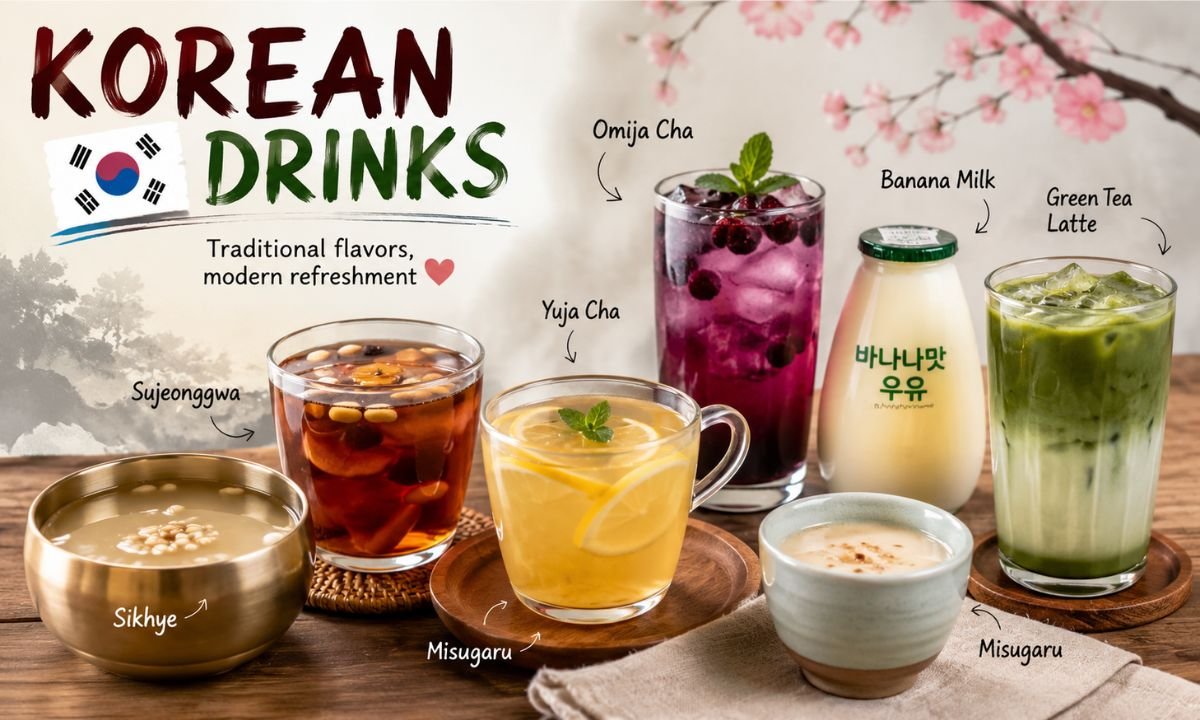
Korean Drinks A Ultimate Guide to Modern Beverages
If you’re searching for fast food open on christmas, you might also enjoy exploring refreshing beverages from around the world. Korean drinks have become increasingly popular because they combine unique flavors, natural ingredients, and centuries of cultural tradition. While Korean beverages showcase traditional Asian flavors, those interested in Western beverage trends may also enjoy exploring peanut butter whiskey drinks for a completely different tasting experience.
From sweet rice punches and herbal teas to creamy milk drinks and sparkling fruit beverages, Korea offers something for every taste and season. Whether you love watching Korean dramas, enjoy Korean food, or simply want to try healthier beverage options, these drinks deserve a place on your list. Many of them are easy to prepare at home using everyday ingredients, making them a fun way to experience Korean culture without traveling.
What Are Korean Drinks?
Korean beverages include both traditional and modern drinks enjoyed throughout South Korea. Some recipes date back hundreds of years, while others became popular through Korean cafés and K-pop culture. Traditional beverages often contain rice, fruits, herbs, ginger, cinnamon, honey, or grains.
Modern drinks include fruit ades, flavored milk, iced coffee, sparkling beverages, and yogurt drinks. Many Korean beverages focus on natural ingredients rather than artificial flavors, which makes them refreshing and enjoyable throughout the year.
Why Are Korean Beverages So Popular?
The popularity of Korean culture has introduced millions of people to Korean cuisine. Along with famous foods such as kimchi and bibimbap, Korean beverages have gained international attention.
People appreciate these drinks because they:
- Offer refreshing natural flavors
- Pair perfectly with Korean meals
- Include healthy ingredients in many recipes
- Can be served hot or cold
- Are suitable for every season
Many cafés in Korea also create beautiful presentations, making these beverages popular on social media.
Types of Korean Drinks
| Drink | Main Ingredients | Taste | Served |
| Sikhye | Rice, malt barley | Sweet | Cold |
| Sujeonggwa | Cinnamon, ginger | Sweet and spicy | Cold |
| Omija Cha | Five-flavor berries | Sweet, sour, salty, bitter, pungent | Hot or Cold |
| Yuja Cha | Yuja citrus | Sweet and citrusy | Hot |
| Banana Milk | Milk, banana | Creamy and sweet | Cold |
| Korean Green Tea | Green tea leaves | Light and refreshing | Hot or Cold |
| Misugaru | Mixed roasted grains | Nutty | Cold |
| Makgeolli | Fermented rice | Slightly sweet | Cold |
| Soju | Distilled spirit | Smooth | Cold |
| Bokbunja Juice | Black raspberry | Fruity | Cold |
Most Popular Traditional Korean Drinks
Traditional beverages remain an important part of Korean culture because they are often served during holidays, family gatherings, and celebrations.
Sikhye
Sikhye is one of Korea’s most famous sweet rice drinks. It contains cooked rice, malt water, and a small amount of sugar. People usually enjoy it after meals because it provides a refreshing finish. Tiny floating rice grains give Sikhye its distinctive appearance. Many families prepare it during Korean festivals.
Sujeonggwa
Sujeonggwa is a traditional cinnamon and ginger punch. It delivers a warm aroma while remaining refreshing when chilled. Many recipes include dried persimmons and pine nuts, creating a drink that feels festive and comforting.
Omija Cha
Omija Cha comes from magnolia berries known as “five-flavor berries.” The name reflects the drink’s unique balance of sweet, sour, salty, bitter, and pungent flavors. This colorful beverage contains natural antioxidants and is commonly enjoyed during warm weather.
Yuja Cha
Yuja Cha is prepared using preserved yuja citrus mixed with honey or sugar. Although people call it tea, it usually contains no tea leaves. Simply add hot water to yuja marmalade for a fragrant winter drink that helps soothe the throat.
Modern Korean Drinks
Today’s Korean beverage market offers exciting choices for younger generations and international visitors. Banana milk has become an iconic Korean drink because of its creamy texture and sweet flavor.
Korean cafés also serve iced Americano coffee, fruit ades, sparkling lemonade, yogurt smoothies, and seasonal fruit beverages. Convenience stores across Korea sell hundreds of bottled drinks that range from traditional recipes to trendy café-style creations.
Ingredients Commonly Used in Korean Drinks
Many recipes rely on simple yet flavorful ingredients that are easy to find in supermarkets.
Common ingredients include:
- Rice
- Ginger
- Cinnamon
- Honey
- Yuja citrus
- Pear
- Apples
- Mixed grains
- Green tea
- Black raspberries
- Milk
- Fresh fruits
These ingredients create refreshing beverages suitable for different seasons and occasions.
How to Make Korean Drinks at Home
One reason Korean beverages have become popular worldwide is that many recipes require only a few ingredients. You can recreate authentic flavors in your own kitchen without needing expensive equipment. Fresh ingredients, clean water, and a little patience are enough to prepare delicious homemade drinks.
If you enjoy preparing beverages from different cuisines, The Spruce Eats also offers a wide range of cooking tips and recipes for home cooks around the world.
Homemade Sikhye Recipe
Sikhye is one of Korea’s most loved rice beverages. It has a naturally sweet taste and is often served as a dessert drink after meals.
Ingredients
- 1 cup cooked white rice
- 6 cups water
- ½ cup malt barley powder
- ¼ cup sugar
- Pine nuts (optional)
Instructions
Mix the malt barley powder with warm water and let it settle for about an hour. Carefully pour the clear liquid into a pot, leaving the sediment behind. Add the cooked rice and keep the mixture warm until some rice grains begin to float. Add sugar, boil the mixture for a few minutes, and allow it to cool. Refrigerate before serving and garnish with pine nuts if desired.
The result is a refreshing drink with a mild sweetness and soft rice grains.
Homemade Sujeonggwa Recipe
Sujeonggwa is a traditional punch made with cinnamon and ginger. It has a warming aroma but tastes wonderfully refreshing when served cold.
Ingredients
- 5 cups water
- 2 cinnamon sticks
- Fresh ginger slices
- ¼ cup brown sugar
- Dried persimmons (optional)
- Pine nuts for garnish
Instructions
Boil the water with cinnamon sticks and ginger for about thirty minutes. Strain the liquid to remove the spices, then stir in the brown sugar until dissolved. Allow the drink to cool before refrigerating. Serve chilled with dried persimmons and pine nuts for an authentic Korean experience.
Homemade Yuja Cha
Yuja Cha is one of the easiest Korean beverages to prepare.
Simply mix one tablespoon of yuja marmalade into a cup of hot water and stir until smooth. The drink becomes fragrant, slightly sweet, and pleasantly citrusy. During winter, many people enjoy Yuja Cha because it feels soothing and comforting.
Health Benefits of Korean Drinks
Many traditional Korean beverages contain natural ingredients that provide nutritional value. Although they should not replace a balanced diet, they can become a healthy part of your daily routine.
- Drinks made with ginger and cinnamon may help support digestion and provide a warming sensation during colder months. Herbal teas often contain antioxidants that protect the body’s cells from everyday stress.
- Rice-based beverages supply gentle energy because they contain carbohydrates. Fruit-based drinks contribute vitamins and refreshing hydration, especially during summer.
- Green tea varieties contain natural antioxidants and may support heart health when consumed as part of a healthy lifestyle. Honey-based drinks can also help soothe a dry throat.
Choosing homemade recipes allows you to reduce added sugar while enjoying fresh, natural flavors.
Tips for Serving Korean Drinks
Presentation plays an important role in Korean food culture. Many beverages look even more appealing when served in clear glass cups with simple garnishes.
- Serve Sikhye and Sujeonggwa well chilled during hot weather. Add a few floating pine nuts or pieces of dried persimmon for an authentic appearance.
- Hot beverages such as Yuja Cha and green tea taste best in ceramic mugs that help maintain warmth. Fresh fruit slices, mint leaves, or ice cubes can enhance modern Korean café-style drinks.
Common Mistakes to Avoid
Many beginners accidentally boil herbal drinks for too long, creating bitter flavors. Following the recommended cooking time helps preserve the natural taste.
- Adding too much sugar can overpower delicate ingredients like ginger, citrus, or berries. Always taste the drink before adding extra sweetener.
- Using poor-quality ingredients also affects the final flavor. Fresh ginger, real cinnamon, ripe fruit, and clean water produce the best results.
Finally, remember that some Korean beverages taste better after chilling for several hours because the flavors blend together naturally.
Why Korean Drinks Continue to Grow in Popularity
The Korean Wave, also known as Hallyu, has introduced millions of people to Korean food and beverages. K-dramas, K-pop artists, and Korean cafés frequently showcase colorful drinks that inspire viewers to recreate them at home. Many travelers also discover these beverages while visiting South Korea and continue making them after returning home.
Social media has further increased their popularity because attractive drinks often become viral trends. Whether you enjoy traditional recipes passed down through generations or modern café creations, Korean beverages offer a wonderful combination of flavor, culture, and creativity.
Conclusion
Exploring Korean beverages is a delicious way to experience the country’s rich culinary traditions. From refreshing rice punches and fragrant herbal teas to creamy milk drinks and modern café favorites, there is something to suit every taste and season. Many recipes use simple, natural ingredients and can be prepared easily at home, allowing you to enjoy authentic flavors without traveling.
Whether you are looking for a comforting winter tea or a cool summer refreshment, these beverages offer a perfect balance of taste, culture, and tradition. Trying different recipes is a fun way to discover new flavors while bringing a little piece of Korea into your own kitchen.
Frequently Asked Questions
Q. Are Korean drinks healthy?
Many traditional Korean beverages contain natural ingredients such as ginger, cinnamon, fruits, grains, and green tea. Homemade versions with less added sugar can be a healthy choice when enjoyed in moderation.
Q. Which Korean drink is the most popular?
Banana milk, Sikhye, Soju, Yuja Cha, and Sujeonggwa are among the most popular Korean beverages both in South Korea and internationally.
Q. Can I make Korean drinks at home?
Yes. Most traditional Korean drinks require simple ingredients and easy cooking methods. Many recipes can be prepared with items available in regular grocery stores.
Q. Are Korean drinks served hot or cold?
Both options are common. Drinks such as Yuja Cha and green tea are usually served hot, while Sikhye, Sujeonggwa, fruit ades, and banana milk are enjoyed cold.
Q. Do Korean drinks contain caffeine?
Some beverages, such as green tea and coffee, contain caffeine. Traditional rice punches, fruit drinks, and herbal beverages are generally caffeine-free.
Q. What food pairs well with Korean drinks?
Traditional beverages pair well with Korean barbecue, bibimbap, rice cakes, fried chicken, seafood pancakes, and many Korean desserts.