Non Carbonated Alcoholic Drinks A Complete Guide
Whether you are enjoying a holiday meal or searching for fast food open on christmas after a family gathering, choosing the right beverage can make your dining experience even better. Many people enjoy refreshing drinks without bubbles, which is why non carbonated alcoholic drinks continue to grow in popularity. They offer smooth flavors, rich aromas, and a comfortable drinking experience without the fizz found in beer, sparkling wine, or soda-based cocktails. If you also enjoy refreshing beverages with natural fruit flavors, exploring different fruity drinks can help you discover delicious options for every season and occasion.
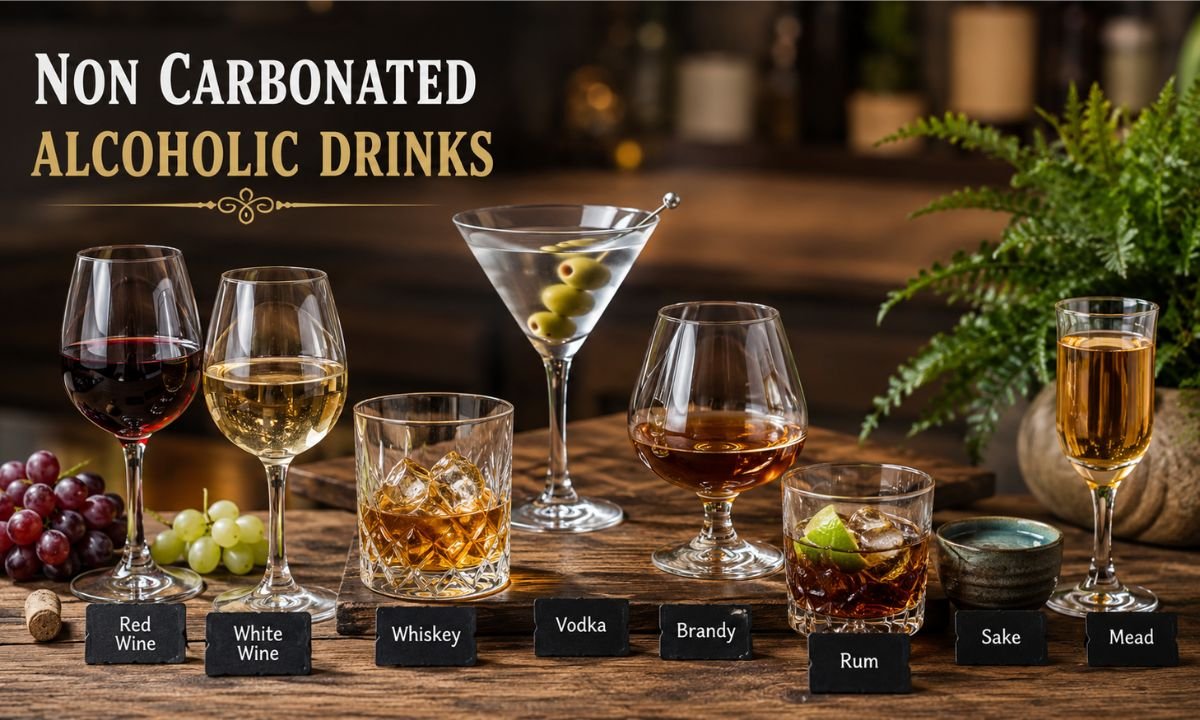
These beverages include classic wines, whiskey, vodka, rum, sake, mead, and many delicious cocktails made without sparkling mixers. They appeal to people who prefer a softer mouthfeel and a more natural flavor profile. In this guide, you will learn everything about these drinks, including their types, benefits, preparation methods, serving ideas, and simple recipes you can make at home.
What Are Non Carbonated Alcoholic Drinks?
Non carbonated alcoholic drinks are beverages that do not contain dissolved carbon dioxide gas. Unlike sparkling wine, champagne, beer, or fizzy cocktails, these drinks have a still texture. They deliver a smoother drinking experience while allowing the natural flavors of fruits, grains, herbs, or spirits to stand out.
Most traditional spirits are naturally non-carbonated because they go through distillation rather than carbonation. Likewise, many wines remain still throughout the production process. These beverages are enjoyed worldwide for casual dinners, celebrations, fine dining, and home entertaining.
Why People Choose Non Carbonated Alcoholic Drinks
Many drinkers prefer still beverages because they are easier to sip and often highlight authentic flavors. Carbonation creates bubbles that can change the texture and taste of a drink. Without carbonation, ingredients such as fruits, spices, oak, and botanicals become more noticeable.
Some people also prefer still beverages because carbonation may cause bloating or discomfort. Although everyone’s digestive system is different, many individuals find non-carbonated beverages gentler to consume.
Popular Types of Non Carbonated Alcoholic Drinks
The table below introduces some of the most common still alcoholic beverages.
| Type | Main Ingredients | Flavor Profile | Common Alcohol Content |
| Red Wine | Grapes | Rich, fruity, earthy | 12%–15% |
| White Wine | Grapes | Crisp, fruity, floral | 10%–14% |
| Rosé Wine | Grapes | Light, refreshing | 11%–13% |
| Whiskey | Grains | Smoky, vanilla, oak | 40%+ |
| Vodka | Grain or potatoes | Clean, neutral | 40% |
| Rum | Sugarcane | Sweet, caramel | 35%–50% |
| Tequila | Blue agave | Herbal, peppery | 38%–40% |
| Gin | Grain with botanicals | Juniper, citrus | 37%–47% |
| Sake | Rice | Mild, slightly sweet | 13%–17% |
| Mead | Honey | Floral, sweet | 8%–20% |
How These Drinks Are Made
The production process depends on the type of beverage.
- Wine begins with freshly harvested grapes. The juice ferments naturally as yeast converts sugar into alcohol. Still wines skip the carbonation process, allowing them to remain smooth.
- Whiskey starts with grains such as barley, rye, wheat, or corn. After fermentation, producers distill the liquid and age it in wooden barrels for several years.
- Vodka undergoes repeated distillation and filtration to create a clean taste with very few impurities.
- Rum comes from sugarcane juice or molasses. After fermentation and distillation, some varieties mature in oak barrels for added depth.
Mead uses honey instead of fruit or grain. Yeast ferments the honey-water mixture into a unique beverage with floral notes.
Benefits of Non Carbonated Alcoholic Drinks
When consumed responsibly and in moderation by adults of legal drinking age, still alcoholic beverages offer several enjoyable qualities.
Smooth Drinking Experience
Without bubbles, drinks feel softer on the palate. This makes them ideal for slow sipping during meals or social gatherings.
Rich Flavor
Still beverages often showcase deeper fruit, spice, oak, and herbal characteristics because carbonation does not compete with their natural taste.
Better Food Pairing
Wine, whiskey, sake, and other still drinks pair well with steaks, seafood, pasta, cheese, and desserts. Professional chefs often recommend them for fine dining.
Wide Variety
Consumers can choose from hundreds of styles ranging from sweet mead to dry red wine and premium aged whiskey.
Easy Home Mixing
Many still cocktails require only a few fresh ingredients and simple preparation techniques.
Remember that alcohol also carries health risks. Drinking too much increases the risk of accidents, liver disease, certain cancers, and other health problems. Responsible consumption and moderation are important.
How to Make Non Carbonated Alcoholic Drinks at Home
Creating delicious homemade beverages is simple when you use quality ingredients.
Homemade Red Wine Sangria (Still Version)
Ingredients
- 1 bottle red wine
- 1 sliced orange
- 1 sliced apple
- Fresh strawberries
- Lemon slices
- Cinnamon stick
- Small amount of honey (optional)
Method
Combine all ingredients in a large pitcher. Refrigerate for four to six hours so the fruit flavors blend into the wine. Serve chilled without adding sparkling water.
Homemade Whiskey Honey Drink
Ingredients
- 60 ml whiskey
- 1 tablespoon honey
- Fresh lemon juice
- Ice cubes
Method
Mix honey with lemon juice until smooth. Add whiskey and stir gently over ice. Serve immediately.
Homemade Vodka Cranberry
Ingredients
- Vodka
- Pure cranberry juice
- Fresh lime juice
- Ice
Method
Fill a glass with ice. Pour vodka and cranberry juice into the glass. Add fresh lime juice and stir well.
Homemade Mead
Making mead requires patience but remains one of the oldest fermentation methods. Mix filtered water, raw honey, and wine yeast inside a sanitized fermentation container. Allow the mixture to ferment for several weeks. After fermentation finishes, transfer it into clean bottles and let it age before serving.
Proper sanitation is essential during fermentation to avoid spoilage.
Best Foods to Pair With Still Alcoholic Drinks
Different beverages complement different meals.
- Red wine pairs beautifully with grilled steak, lamb, pasta, and aged cheese.
- White wine complements seafood, roasted chicken, salads, and creamy pasta.
- Whiskey goes well with smoked meats, dark chocolate, and roasted nuts.
- Rum works nicely alongside tropical desserts and barbecue dishes.
- Sake enhances sushi, grilled fish, rice dishes, and light appetizers.
Matching food with beverages improves the overall dining experience by balancing flavors.
Tips for Serving Non Carbonated Alcoholic Drinks
Serving temperature influences flavor.
- White wine tastes best when chilled, while red wine develops better aroma at cool room temperature.
- Whiskey should be served neat, with a splash of water, or over ice depending on personal preference.
- Use clean glassware to preserve aroma and presentation.
Store opened bottles according to their style. Wine usually benefits from refrigeration after opening, while distilled spirits generally remain stable at room temperature when tightly sealed.
Common Myths About Non Carbonated Alcoholic Drinks
Many misconceptions surround still alcoholic beverages. One common myth suggests that non-carbonated drinks are always stronger than sparkling beverages. In reality, alcohol content varies by product.
Another myth claims expensive bottles always taste better. Personal preference matters more than price. Many affordable wines and spirits receive excellent reviews. Some people also believe that all cocktails contain carbonation. Many classic cocktails rely only on spirits, fruit juice, herbs, and ice without any fizzy mixers.
Choosing the Right Drink
Your choice depends on flavor preference and the occasion.
- Wine suits elegant dinners and celebrations.
- Whiskey appeals to those who enjoy bold oak and spice flavors.
- Vodka works well for simple cocktails because of its neutral taste.
- Rum offers sweeter notes for tropical drinks.
- Gin delivers refreshing herbal aromas.
Trying different styles helps you discover your personal favorites.
Storage Tips
Proper storage protects quality.
- Keep wine bottles away from direct sunlight and excessive heat.
- Store corked bottles horizontally to help maintain cork moisture.
- Spirits such as vodka, whiskey, rum, and tequila should remain tightly sealed in a cool, dark location.
Avoid frequent temperature changes because they may affect flavor over time.
Responsible Drinking Matters
Alcohol should always be enjoyed responsibly by adults who meet the legal drinking age in their country. Never drink before driving, operating machinery, or participating in activities that require full attention. If you choose to drink, moderation helps reduce health risks. Drinking water alongside alcoholic beverages also supports hydration. If you enjoy expanding your knowledge beyond food and beverages, NASA offers a wide range of educational resources about space, science, and technology that inspire lifelong learning.
Conclusion
Non carbonated alcoholic drinks offer smooth textures, rich flavors, and remarkable versatility. From classic wines and premium whiskey to homemade sangria and mead, there is a still beverage for almost every occasion. Their ability to pair beautifully with food and showcase natural ingredients makes them a favorite among casual drinkers and enthusiasts alike.
Whether you enjoy making drinks at home or exploring traditional beverages from around the world, non carbonated alcoholic drinks provide countless opportunities to experience unique flavors. Always enjoy them responsibly, store them properly, and choose quality ingredients for the best experience.
Frequently Asked Questions (FAQs)
Q. What are non carbonated alcoholic drinks?
Non carbonated alcoholic drinks are beverages that contain alcohol but do not have carbonation or bubbles. Examples include wine, whiskey, vodka, rum, gin, tequila, sake, and mead.
Q. Are non carbonated alcoholic drinks healthier than carbonated alcohol?
The absence of carbonation does not make alcohol healthier. The main difference is texture and taste. Health effects depend on the amount consumed rather than carbonation.
Q. Can I make non carbonated alcoholic drinks at home?
Yes. Homemade sangria, mead, whiskey-based drinks, and vodka cocktails are popular options. Always use clean equipment and quality ingredients.
Q. Which foods pair best with still alcoholic beverages?
Red wine pairs with steak, white wine pairs with seafood, whiskey complements smoked meats, and sake matches sushi and rice dishes.
Q. Do all wines count as non carbonated alcoholic drinks?
Most red, white, and rosé wines are still and non-carbonated. Sparkling wines such as Champagne and Prosecco are exceptions.
Q. How should I store non carbonated alcoholic drinks?
Store spirits in a cool, dark place with the bottle tightly sealed. Keep opened wine refrigerated and consume it within a few days for the best flavor.