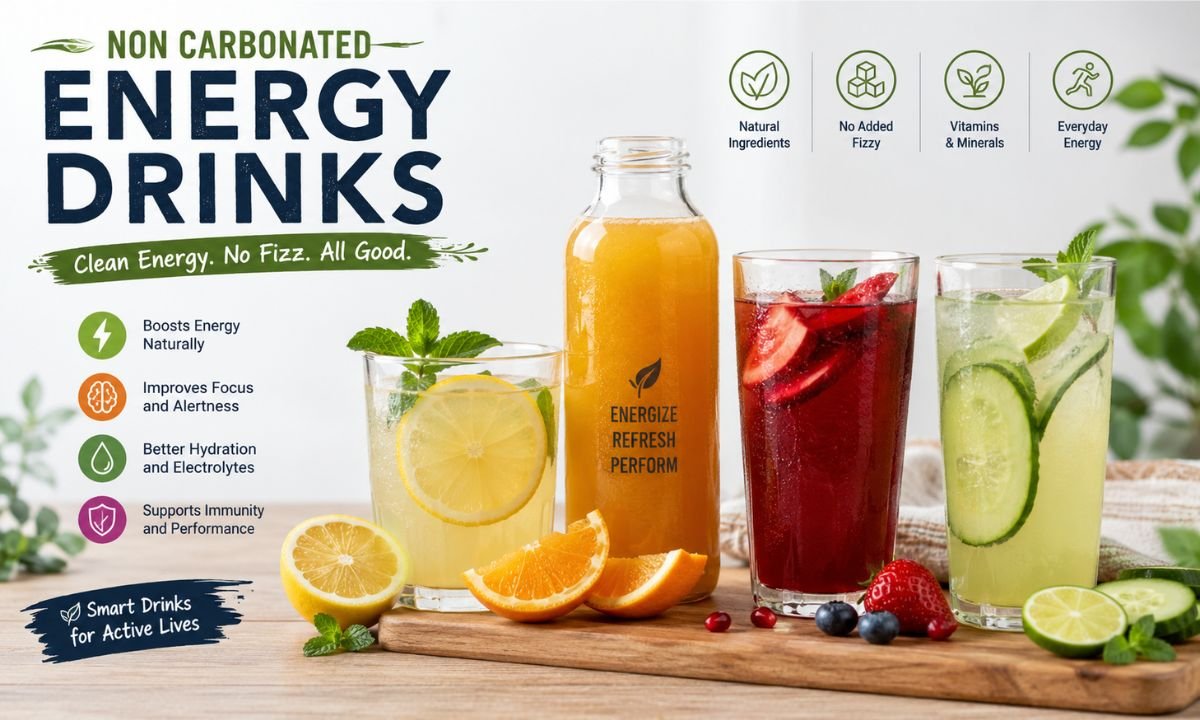
Ultimate Healthy Non Carbonated Energy Drinks Guide
Many people searching for fast food open on christmas also look for refreshing beverages that provide energy without the uncomfortable feeling of carbonation. If fizzy drinks cause bloating or stomach discomfort, choosing non carbonated energy drinks can be a smarter and healthier alternative. Energy drinks have become popular among students, athletes, office workers, travelers, and fitness enthusiasts. If you prefer making refreshing beverages at home, strawberry puree for drinks can add natural sweetness, vibrant flavor, and a fruity twist to your favorite energy recipes.
While most commercial products contain carbonation, many people now prefer smoother beverages that hydrate and energize without bubbles. These drinks often combine caffeine, vitamins, electrolytes, amino acids, and natural ingredients to support physical and mental performance. This guide explains everything you need to know about non-carbonated energy drinks, including their ingredients, benefits, types, homemade recipes, and tips for choosing the healthiest option.
What Are Non Carbonated Energy Drinks?
Non carbonated energy drinks are beverages that increase alertness and energy without containing carbon dioxide gas. Unlike sparkling energy drinks, these beverages have a smooth texture and are often easier on the digestive system.
Most non-carbonated options contain ingredients such as caffeine, green tea extract, B vitamins, taurine, electrolytes, coconut water, fruit juices, or natural plant extracts. Some products also include amino acids that help improve endurance and reduce fatigue. These drinks are designed to deliver energy while providing a more comfortable drinking experience.
Why Are More People Choosing Non Carbonated Drinks?
Carbonation creates bubbles that many people enjoy, but it can also lead to bloating, burping, and stomach discomfort. This is why non-carbonated beverages continue to gain popularity. People choose these drinks because they:
- Feel lighter on the stomach
- Are easier to drink during workouts
- Reduce bloating
- Improve hydration
- Offer smoother flavor
- Mix well with natural fruit ingredients
Athletes and busy professionals often prefer these drinks because they can consume them quickly without the fullness that fizzy beverages sometimes cause.
How Do Non Carbonated Energy Drinks Work?
Energy drinks work by combining ingredients that stimulate the brain and support the body’s energy production.
The most common ingredients include:
Caffeine
Caffeine improves focus, concentration, and alertness. It temporarily reduces tiredness by stimulating the central nervous system.
B Vitamins
Vitamin B6 and Vitamin B12 help convert food into usable energy and support healthy metabolism.
Taurine
Taurine is an amino acid often added to improve physical performance and reduce muscle fatigue.
Electrolytes
Electrolytes help maintain hydration, especially after exercise or during hot weather.
Natural Plant Extracts
Ingredients like green tea, guarana, or ginseng may provide additional energy while supplying antioxidants.
Benefits of Non Carbonated Energy Drinks
Choosing the right beverage offers several advantages beyond simply staying awake.
Gentle on Digestion
Without carbonation, these drinks usually cause less bloating and stomach irritation.
Better Hydration
Many formulas contain electrolytes that help replace minerals lost through sweat.
Improved Mental Focus
Moderate caffeine levels can improve concentration during work, studying, or long drives.
Convenient Energy Boost
They provide quick energy before workouts, meetings, or busy schedules.
Smooth Taste
Many people enjoy the smoother texture because it lacks fizzy bubbles.
Easier During Exercise
Athletes often find them easier to consume while training because carbonation can create discomfort during movement.
Types of Non Carbonated Energy Drinks
The market offers many varieties depending on ingredients and nutritional goals.
| Type | Main Ingredients | Best For |
| Natural Energy Drinks | Green tea, honey, fruit juice | Daily energy |
| Coffee-Based Drinks | Cold brew coffee, milk | Morning boost |
| Tea Energy Drinks | Matcha, black tea | Gentle caffeine |
| Electrolyte Drinks | Sodium, potassium | Hydration after exercise |
| Protein Energy Drinks | Protein, vitamins | Workout recovery |
| Coconut Water Energy Drinks | Coconut water, fruit extracts | Natural hydration |
| Vitamin Energy Drinks | B-complex vitamins | Daily wellness |
| Herbal Energy Drinks | Ginseng, guarana | Mental alertness |
Common Ingredients Found in Quality Energy Drinks
Reading the ingredient label helps you choose a healthier product.
Look for drinks containing:
- Natural caffeine
- Green tea extract
- Coconut water
- B vitamins
- Electrolytes
- Fruit juice
- Amino acids
- Natural flavors
Avoid products containing excessive sugar, artificial coloring, or extremely high caffeine levels.
Are Non Carbonated Energy Drinks Healthier?
The answer depends on the ingredients.
A non-carbonated drink is not automatically healthier than a carbonated one. A beverage containing excessive sugar and caffeine may still be unhealthy.
Healthier products generally include:
- Moderate caffeine
- Low sugar
- Natural sweeteners
- Vitamins
- Electrolytes
- Real fruit ingredients
Always check the nutrition label before purchasing.
Who Can Benefit from These Drinks?
Different groups may benefit from these beverages when consumed responsibly.
Students
Students often use them to stay alert while preparing for exams.
Office Workers
Busy professionals may drink them during long workdays.
Athletes
Sports enthusiasts consume them before or after exercise for hydration and performance.
Travelers
Long-distance travelers may enjoy the mental alertness they provide.
Gamers
Gaming sessions often require sustained concentration, making these beverages popular among gamers.
How to Make Non Carbonated Energy Drinks at Home
Making your own energy drink gives you complete control over the ingredients.
Recipe 1: Lemon Honey Energy Drink
Ingredients
- 2 cups cold water
- Juice of one lemon
- 1 tablespoon honey
- Pinch of sea salt
- Few mint leaves
Method
Mix all ingredients thoroughly until the honey dissolves. Chill before serving.
This refreshing drink supplies natural sugars, hydration, and electrolytes.
Recipe 2: Green Tea Citrus Energy Drink
Ingredients
- 1 cup brewed green tea
- Orange juice
- Lemon juice
- Honey
- Ice cubes
Method
Allow the tea to cool completely. Mix it with orange juice, lemon juice, and honey. Serve chilled.
Green tea provides natural caffeine without excessive stimulation.
Recipe 3: Coconut Water Energy Drink
Ingredients
- Coconut water
- Pineapple juice
- Lime juice
- Honey
- Ice
Method
Blend all ingredients together and serve immediately.
This recipe provides hydration, potassium, and natural sweetness.
Recipe 4: Berry Energy Smoothie
Ingredients
- Mixed berries
- Banana
- Greek yogurt
- Honey
- Water
Method
Blend until smooth.
This homemade beverage provides vitamins, antioxidants, and lasting energy.
Best Natural Ingredients for Homemade Energy Drinks
Homemade drinks become healthier when prepared with natural ingredients. Popular choices include:
- Coconut water
- Lemon
- Orange
- Honey
- Matcha
- Green tea
- Ginger
- Mint
- Chia seeds
- Fresh berries
- Banana
- Watermelon
These ingredients supply vitamins, minerals, antioxidants, and natural carbohydrates.
Homemade vs Store-Bought Energy Drinks
| Feature | Homemade | Store-Bought |
| Sugar Control | High | Depends on brand |
| Artificial Ingredients | Usually none | Sometimes present |
| Freshness | Excellent | Packaged |
| Cost | Affordable | Can be expensive |
| Customization | Unlimited | Limited |
| Preservatives | None | Often included |
Homemade beverages are ideal for people who want cleaner ingredients and complete control over sweetness and caffeine.
Tips for Choosing the Best Energy Drink
Selecting the right drink becomes easier when you understand the label. Choose products that:
- Contain less added sugar
- Include B vitamins
- Use natural caffeine
- Offer electrolyte support
- Have transparent ingredient lists
- Avoid excessive artificial additives
Drinking plenty of water throughout the day also supports healthy energy levels.
Are There Any Side Effects?
Even healthier energy drinks should be consumed in moderation. Too much caffeine may cause:
- Restlessness
- Rapid heartbeat
- Difficulty sleeping
- Anxiety
- Headaches
People with heart conditions, high blood pressure, or caffeine sensitivity should consult a healthcare professional before consuming energy drinks regularly. The American Heart Association also provides educational resources about heart health and making healthier lifestyle choices.
Best Time to Drink Non Carbonated Energy Drinks
Timing can improve effectiveness.
Many people drink them:
- Before workouts
- During afternoon fatigue
- Before long drives
- Before exams
- During demanding workdays
Avoid drinking high-caffeine beverages late in the evening because they may interfere with sleep.
Final Thoughts
Non carbonated energy drinks offer a practical alternative for people who want a smooth, refreshing source of energy without the fizz. Whether you choose a high-quality commercial product or prepare your own at home, these beverages can provide hydration, mental focus, and sustained energy when consumed responsibly.
The best option is one made with natural ingredients, moderate caffeine, essential vitamins, and limited added sugar. Homemade recipes also allow you to customize flavors and nutrition while avoiding unnecessary preservatives. By understanding the ingredients, benefits, and preparation methods, you can enjoy an energizing drink that fits your lifestyle and supports your daily activities.
Frequently Asked Questions
Q. Are non carbonated energy drinks healthier than carbonated ones?
They may be easier on digestion, but overall health depends on the amount of sugar, caffeine, and other ingredients.
Q. Can I drink them every day?
Moderate consumption is generally acceptable for healthy adults, but excessive caffeine should be avoided.
Q. Do homemade energy drinks contain caffeine?
Some recipes do, especially those made with green tea or matcha, while others rely on natural sugars and electrolytes instead.
Q. Can athletes drink these beverages?
Yes. Many athletes choose non-carbonated options because they are easier to consume during exercise and often provide hydration.
Q. Which natural ingredient provides the best energy?
Green tea, matcha, honey, coconut water, bananas, and citrus fruits are among the most popular natural energy ingredients.
Q. Do non carbonated energy drinks improve hydration?
Many formulas that contain electrolytes or coconut water can support hydration better than traditional sugary energy drinks.