Sugar Free Drinks Guide to Healthier Beverage Choices
If you enjoy trying different wellness beverages, you may have seen options like recess drinks and other low-sugar or zero-sugar choices becoming popular. Today, many people want drinks that taste good without adding too much sugar to their daily diet. This is where sugar free drinks become useful. They give people a way to enjoy flavor, fizz, tea, coffee, or hydration without the heavy sugar found in regular soda, sweet tea, energy drinks, and many bottled juices.
Sugary beverages are one of the main sources of added sugar in many diets. The CDC explains that sugar-sweetened beverages include drinks with added sugars, such as soda, fruit drinks, sports drinks, energy drinks, sweetened waters, and sweetened coffee or tea. Drinking them often is linked with health concerns such as weight gain, type 2 diabetes, heart disease, tooth decay, and other problems.
What Are Sugar Free Drinks?
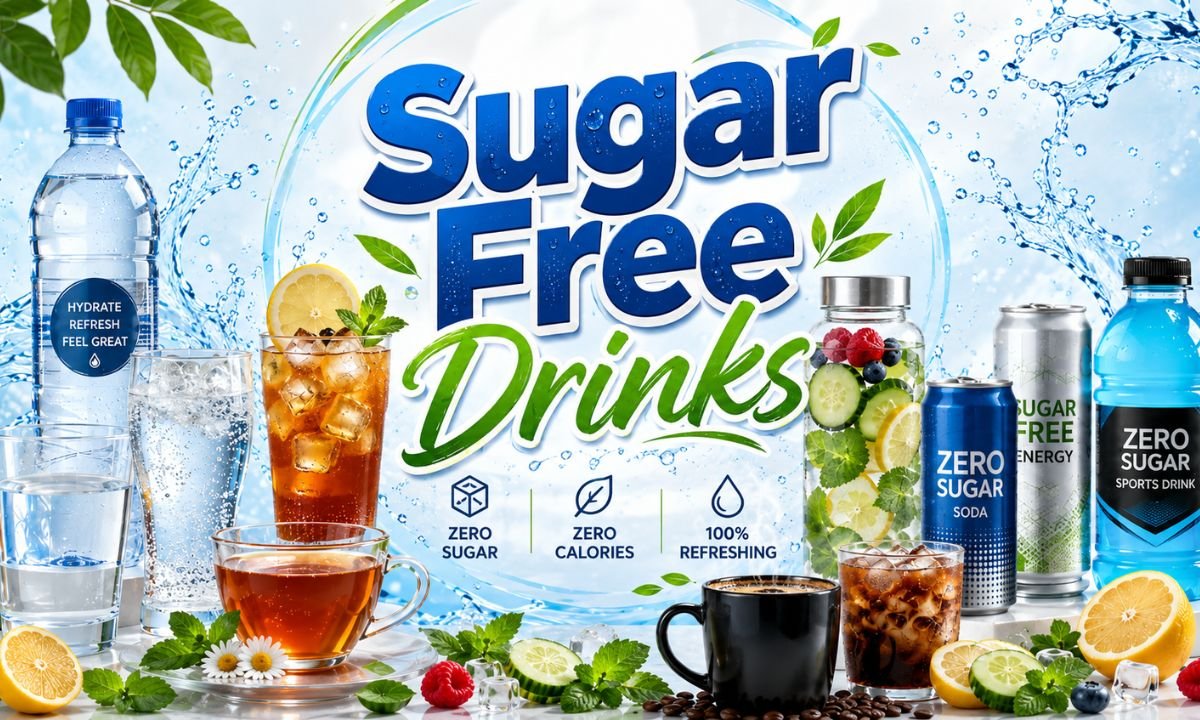
Sugar free drinks are beverages that contain no sugar or a very small amount of sugar per serving. Many of them use low-calorie or zero-calorie sweeteners instead of regular sugar. These sweeteners may include stevia, sucralose, aspartame, monk fruit, or erythritol. Some drinks are naturally free from sugar, such as plain water, unsweetened tea, black coffee, and sparkling water without added sweeteners.
It is important to understand that “sugar-free” does not always mean the drink is automatically healthy. Some options may contain caffeine, artificial flavors, colors, acids, or preservatives. Others may still taste very sweet because they use sugar substitutes. That is why reading the nutrition label matters.
According to the FDA, added sugars include sugars added during processing, syrups, honey, and sugars from concentrated fruit or vegetable juices. The FDA also says the Daily Value for added sugar is 50 grams per day based on a 2,000-calorie diet.
Why People Choose Zero-Sugar Beverages
People choose these beverages for many reasons. Some want to reduce calories. Some want to manage blood sugar. Others want to protect their teeth, lose weight, or simply avoid the tired feeling that can come after drinking too many sweet drinks.
A regular soda or sweetened coffee can contain a large amount of added sugar. When you drink sugary beverages often, your body gets extra calories without making you feel full. This can make it easier to gain weight over time. Replacing sugary beverages with water or unsweetened options can help reduce calorie intake because water has no calories.
People with diabetes or those watching blood sugar may also prefer zero-sugar choices. These beverages usually do not raise blood sugar the same way regular sugar does. However, every person is different, so anyone with diabetes or a medical condition should follow advice from a doctor or registered dietitian.
Common Types of Zero-Sugar Beverages
There are many types of zero-sugar beverages available today. Some are simple and natural, while others are made to taste sweet without using regular sugar. Choosing the right drink depends on your health goals, taste, and daily routine. You can also make many of these drinks at home with simple ingredients.
Water
Water is the best daily drink for most people because it is naturally free from sugar, calories, and artificial ingredients. It helps the body stay hydrated and supports body temperature, digestion, joint movement, and waste removal.
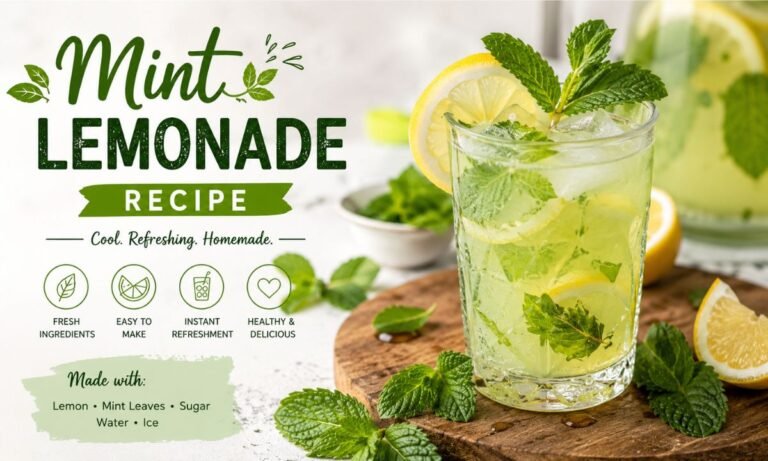
You can make plain water more enjoyable at home by adding lemon slices, cucumber, mint leaves, orange slices, or berries. Keep it in the fridge for a few hours so the flavor becomes fresh and natural.
Sparkling Water
Sparkling water is a popular zero-sugar drink for people who enjoy the fizzy feeling of soda. It gives a refreshing taste without regular sugar. Many brands offer flavors like lemon, lime, berry, peach, orange, and cucumber.
To make it at home, pour plain sparkling water into a glass and add fresh lemon juice, lime juice, mint, or crushed berries. Avoid adding sugar or syrup if you want to keep it zero-sugar.
Unsweetened Tea
Unsweetened tea is another smart beverage choice with little or no sugar. Green tea, black tea, mint tea, chamomile tea, and other herbal teas can be enjoyed hot or cold. These drinks fit well into a healthy daily routine.
You can make it at home by brewing your favorite tea bag in hot water, then drinking it plain. For iced tea, let it cool, add ice, and flavor it with lemon, mint, ginger, or cinnamon instead of sugar.
Black Coffee
Black coffee is naturally sugar-free when served plain. It can be a good morning drink for people who enjoy coffee without sugar, syrups, or sweet creamers. Plain coffee contains almost no calories and gives a strong flavor without added sugar.
To make it at home, brew coffee using instant coffee, a coffee maker, French press, or cold brew method. Drink it plain, or add cinnamon, vanilla extract, or unsweetened milk for extra taste without adding sugar.
Diet Soda and Zero-Sugar Soda
Diet soda and zero-sugar soda are common choices for people who want the taste of soda without regular sugar. These drinks usually use non-nutritive sweeteners instead of sugar. They may help some people reduce their intake of sugary soda.
You can make a simple soda-style drink at home by mixing sparkling water with lemon juice, lime juice, or a few drops of sugar-free flavoring. This gives you a fizzy drink without the extra sugar found in regular soda.
Benefits of Choosing Better Beverages
| Benefit | Explanation |
| Reduces Added Sugar | Liquid calories can add up quickly. A person may consume many calories from soda, juice drinks, or sweet coffee without feeling full. Choosing unsweetened or zero-sugar options can help reduce extra calories. |
| Supports Weight Control | Liquid calories can add up quickly. A person may drink many calories from soda, juice drinks, or sweet coffee without feeling full. Choosing unsweetened or zero-sugar options can help reduce extra calories. |
| Improves Dental Health | Sugary drinks feed bacteria in the mouth, which can lead to tooth decay and cavities. Zero-sugar beverages remove regular sugar, but plain water is still the safest everyday drink because some fizzy drinks can be acidic. |
| Helps Improve Energy Balance | Drinks with too much sugar can cause quick energy spikes and crashes. Better beverage choices can support more balanced energy during the day. |
| Makes Habit Change Easier | Going from regular soda to plain water can feel difficult for some people. Zero-sugar soda, flavored sparkling water, or unsweetened iced tea can work as a helpful middle step. |
| Keeps Your Routine Enjoyable | Better beverages can still taste refreshing and flavorful. Options like sparkling water, unsweetened tea, and homemade flavored water can make healthy drinking easier. |
Are They Always Healthy?
Not always. A drink can have no sugar and still not be the best choice for daily use. Some products contain high caffeine levels. Others contain artificial colors or flavors. Some may increase cravings for very sweet tastes because they are still intensely sweet.
Artificial and natural low-calorie sweeteners are used in many diet beverages. They can help lower sugar intake, but people should not depend on sweet drinks all day. Harvard T.H. Chan School of Public Health notes that water is the best choice for hydration, and artificially sweetened drinks may be useful for some people as a short-term replacement for sugary drinks, but they should not replace water as the main beverage.
Moderation is the key. A can of diet soda once in a while is different from drinking several cans every day. A balanced routine should include mostly water, unsweetened tea, and other simple drinks.
How to Read the Label Before Buying
- Check the serving size first
Before buying any packaged drink, look at the serving size on the Nutrition Facts label. Some bottles contain more than one serving, so the sugar, calories, and caffeine may be higher than they first appear. - Look at total sugars
Check the “Total Sugars” section to see how much sugar is naturally present or added in the drink. - Check added sugars
A drink with zero added sugar is usually a better choice than one with high added sugar. According to the FDA, 5% Daily Value or less is low for added sugars, while 20% Daily Value or more is high. - Read the ingredient list
Look for hidden sugar names such as corn syrup, cane sugar, honey, fructose, glucose, dextrose, sucrose, fruit juice concentrate, and malt syrup. - Watch for sweeteners
Some drinks use sugar substitutes like stevia, sucralose, aspartame, or monk fruit. These may reduce sugar, but it is still good to know what type of sweetener the drink contains. - Check the caffeine amount
Energy drinks, diet sodas, iced teas, and coffee drinks may contain caffeine. Too much caffeine can cause sleep problems, nervousness, or a fast heartbeat in some people. - Avoid judging by front labels only
Words like “natural,” “zero sugar,” or “healthy” can look attractive, but the full label gives the real information. Always check the Nutrition Facts and ingredients before buying.
Best Times to Drink Zero-Sugar Options
These drinks can fit into many parts of the day. In the morning, plain coffee or unsweetened tea can be a good choice. At lunch, sparkling water or lemon water can replace soda. During work or school, a bottle of water with cucumber or mint can help you stay hydrated.
After exercise, water is usually enough for light activity. Sports drinks are not always needed unless you do long or intense exercise, sweat heavily, or need electrolytes for a specific reason. Many sports drinks contain sugar, so check the label before buying.
At night, caffeine-free herbal tea can be a relaxing option. Try chamomile, peppermint, ginger, or cinnamon tea without sugar.
Homemade Ideas for Better Flavor
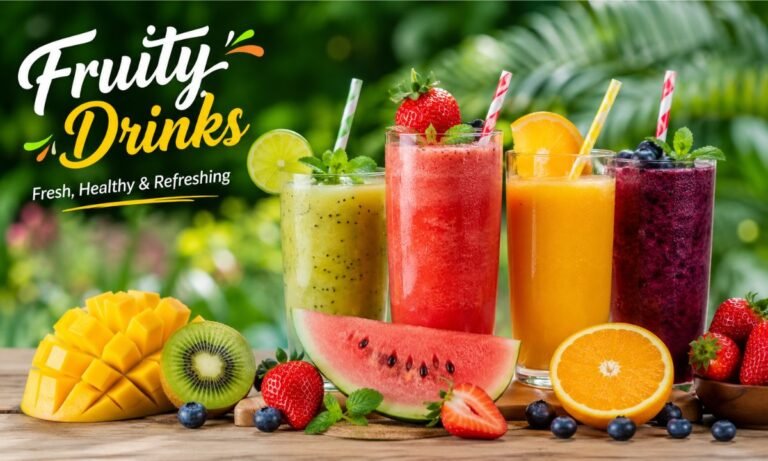
You do not always need to buy packaged drinks. You can make tasty options at home with simple ingredients. Add lemon, orange slices, berries, cucumber, or mint to cold water. You can also make iced tea at home and keep it unsweetened.
For a fizzy drink, mix sparkling water with fresh lime juice. For a creamy drink, blend unsweetened almond milk with ice, vanilla extract, and a small amount of stevia. For a warm drink, try cinnamon tea or ginger tea.
Homemade drinks give you more control. You can avoid extra sugar, reduce artificial ingredients, and adjust the taste to your liking.
Who Should Be Careful?
Children, pregnant women, people with heart problems, and people sensitive to caffeine should be careful with diet sodas and energy drinks. Some zero-sugar energy drinks have a lot of caffeine. These may not be suitable for everyone.
People with digestive issues may also react to some sugar alcohols, such as erythritol or sorbitol. These ingredients can cause gas, bloating, or stomach discomfort in some people.
Anyone managing diabetes, kidney disease, heart disease, or another health condition should ask a health professional before making major diet changes.
Final Thoughts
Sugar free drinks can be helpful when you want to reduce added sugar and make better daily choices. They can support weight goals, blood sugar control, and healthier habits when used wisely. Still, they are not all equal. Water, unsweetened tea, and black coffee are usually better everyday choices than highly processed diet beverages.
The smartest approach is simple. Drink more water, read labels, limit caffeine, and choose natural, unsweetened options when possible. You do not need to give up flavor, but you should know what is inside your drink. With the right choices, sugar free drinks can become part of a balanced and healthy lifestyle.
FAQs About Sugar Free Drinks
1. Are sugar free drinks healthy?
Sugar free drinks can be a better choice than sugary soda, sweet tea, or high-sugar energy drinks because they help reduce added sugar. However, they should be used in moderation, especially if they contain caffeine, artificial sweeteners, or acids.
2. Can sugar free drinks help with weight loss?
Yes, they may help with weight loss if they replace high-calorie sugary drinks. Since many zero-sugar drinks have few or no calories, they can support calorie control. Still, a healthy diet and active lifestyle are also important.
3. Do sugar free drinks raise blood sugar?
Most sugar free drinks do not raise blood sugar like regular sugary drinks because they do not contain normal sugar. However, people with diabetes should still read labels and ask a doctor or dietitian for personal advice.
4. What are the best sugar free drinks to buy?
Some good options include bottled water, sparkling water, unsweetened iced tea, black coffee, zero-sugar soda, sugar-free sports drinks, and sugar-free energy drinks. Always check the label for added sugar, calories, and caffeine.
5. Can I drink sugar free drinks every day?
You can drink some zero-sugar drinks daily, such as water, unsweetened tea, and black coffee. Diet soda, zero-sugar energy drinks, and other processed beverages should be limited because they may contain caffeine, acids, or artificial ingredients.